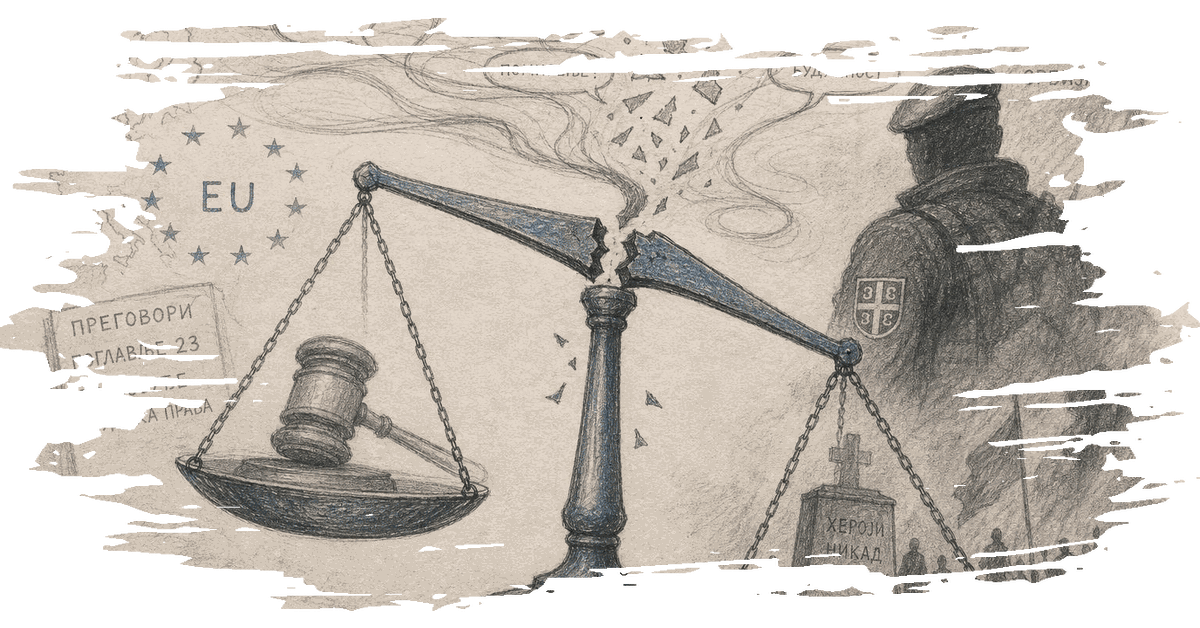
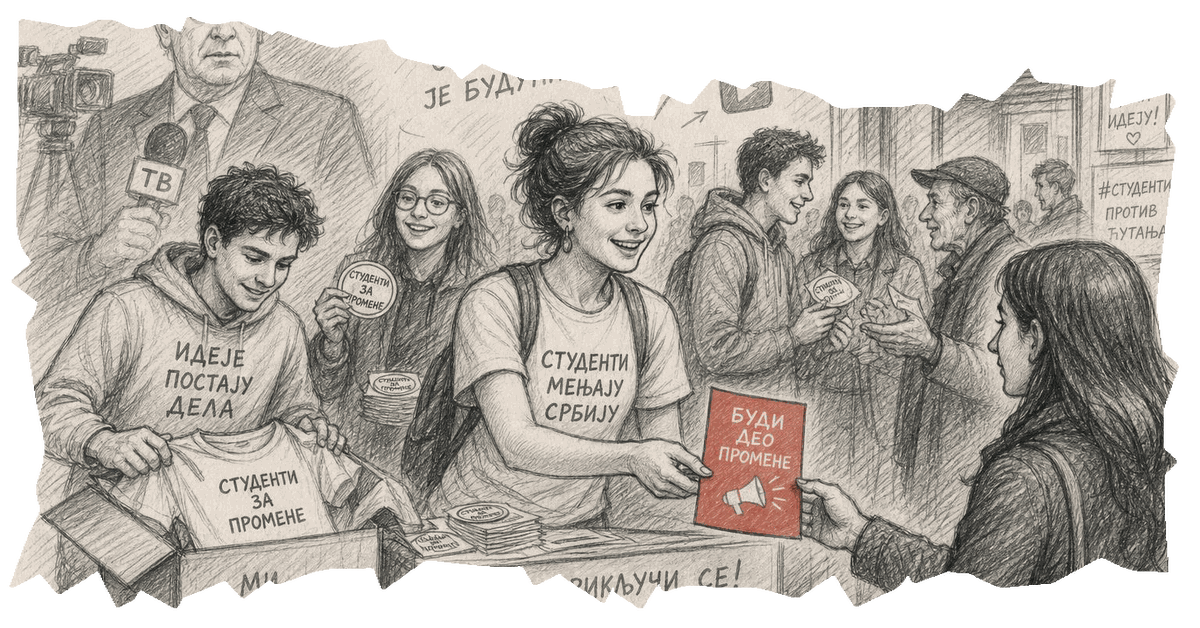
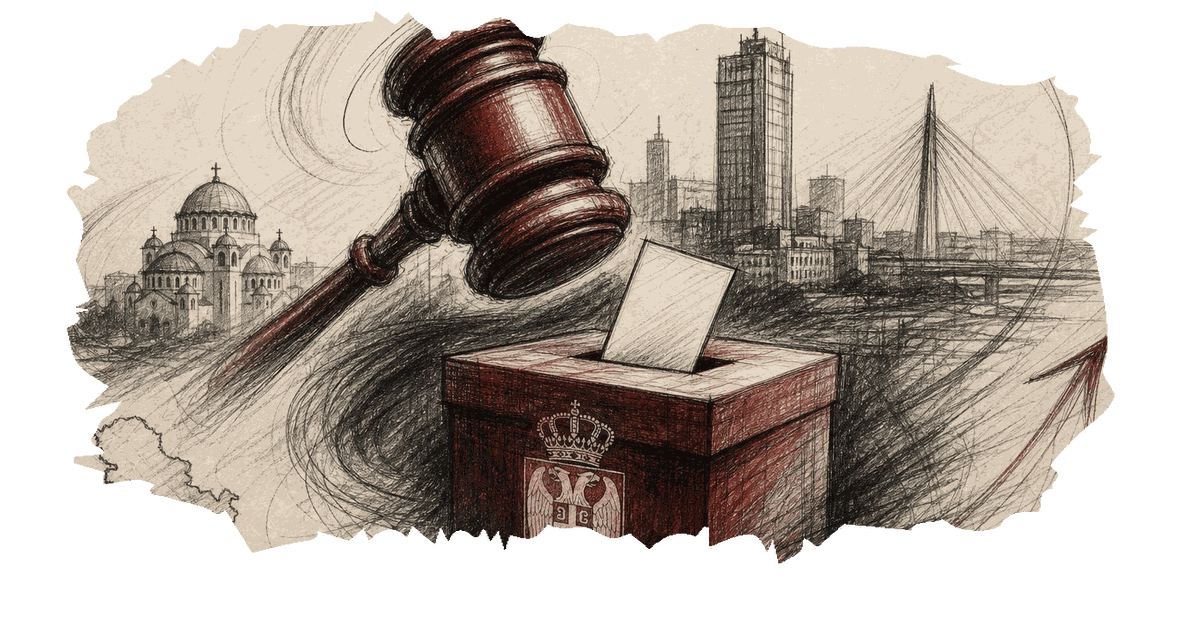
Students in Serbia have launched a comprehensive reform program under the banner of “Srbija ili mafija” (Serbia or Mafia), aiming to address systemic issues in governance, media freedom, and public sector transparency. The program, unveiled by the Studentska lista (Students’ List), outlines 11 key points focusing on judicial and police reforms, anti-corruption measures, and the depoliticization of public institutions.
A central proposal of the program is the formation of a Special Prosecutorial Police, an independent unit tasked with investigating corruption and making arrests without political interference. The students are advocating for the dismissal of police officials found to be linked to criminal activities and for those who have violated laws during interactions with students and citizens.

The program also calls for the implementation of a law on the origin of property and the confiscation of illegally acquired assets. This initiative aims to strengthen the Tax Administration and ensure the return of unlawfully obtained public funds to the national budget. Additionally, it seeks to hold public officials accountable for corruption and human rights violations.
Transparency in public procurement is another significant focus. The students demand that all contracts and tenders be made public, with enhanced oversight by the State Audit Institution. This includes a review of non-transparent and overpriced infrastructure projects, particularly those involving secret agreements and missed deadlines.
Media freedom is a critical component of the students’ agenda. They propose the depoliticization of the Regulatory Authority for Electronic Media (REM) and demand that it operate in accordance with the law. The program also includes the “liberation” of the national broadcaster RTS and a review of national broadcasting licenses to ensure compliance with legal standards.
In the realm of public sector employment, the students advocate for the elimination of party-based hiring practices. They propose rigorous selection processes for public enterprise directors, emphasizing the appointment of proven experts. Financial oversight of public sector operations is also highlighted as a necessary reform.
Education reform is another priority, with plans to invest in modern educational programs that emphasize critical thinking and practical skills. The students suggest providing free textbooks for all primary and secondary school students, regardless of their place of residence, and making school excursions and extracurricular activities more financially accessible.
The program further outlines support for the domestic economy, proposing stronger links between universities, institutes, and professional associations with industry. It includes grants and subsidies for startups, innovations, and domestic entrepreneurs, aiming to transition from a low-cost labor model to a high-value modern economy.
In labor rights, the students propose reducing the maximum period of temporary employment from 24 to 12 months by amending the Labor Law. This change is intended to eliminate long-term job insecurity and enhance employment stability.
Food security and the elimination of monopolies in agriculture and the food market are also addressed. The students claim that import lobbies and interest groups disrupt the balance between production costs and retail prices. They propose protecting agricultural land and water as national assets to ensure food security for current and future generations.
Housing solutions for young couples and those in deficit professions are part of the program. The students propose affordable housing options with favorable lease terms and purchase possibilities, as well as tax incentives for young families, educators, and healthcare workers. This initiative aims to address housing issues, facilitate family formation, and encourage young people to remain in Serbia.
Finally, the program calls for making medications more accessible to citizens and ensuring a doctor is available in every village. It suggests state control and significant price reductions for medicines, as well as the revitalization of rural health clinics and hiring young doctors and medical technicians to ensure basic healthcare is available throughout Serbia.
The Studentska lista’s program reflects a broader trend of political activism in Serbia, particularly among the youth, who are increasingly vocal about issues of corruption and political accountability. The effectiveness of these proposed reforms may face challenges, given past political resistance to similar initiatives. However, the students’ agenda highlights their commitment to driving significant changes in Serbian society and governance.