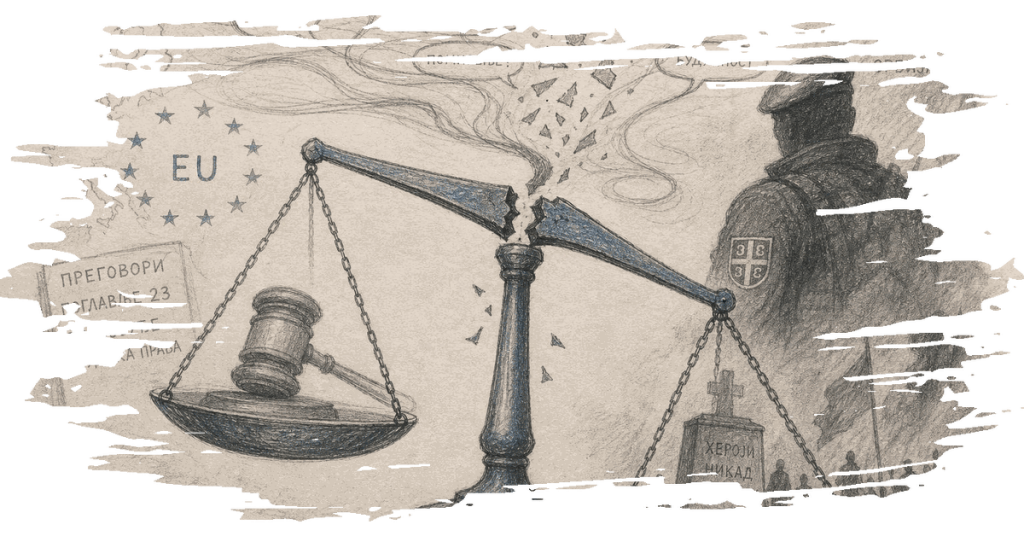
In a recent address on the state of the European Union, Ursula von der Leyen, President of the European Commission, criticized Serbian authorities for the glorification of Ratko Mladić during his funeral. Von der Leyen emphasized that there is no place in the EU for the glorification of war criminals, underscoring the importance of accountability and adherence to EU values in the accession process. Her remarks highlight ongoing concerns about Serbia’s suitability for EU membership, particularly in light of its handling of historical issues and democratic values.
Von der Leyen’s comments come in the wake of the funeral of Ratko Mladić, a convicted war criminal, which was held in Belgrade with significant state involvement. This event has drawn sharp criticism from EU officials, as it raises questions about Serbia’s commitment to facing its past and aligning with European values. Von der Leyen expressed her horror at the scenes from the funeral, describing it as a stark reminder of the need for accountability and reconciliation in the Western Balkans.

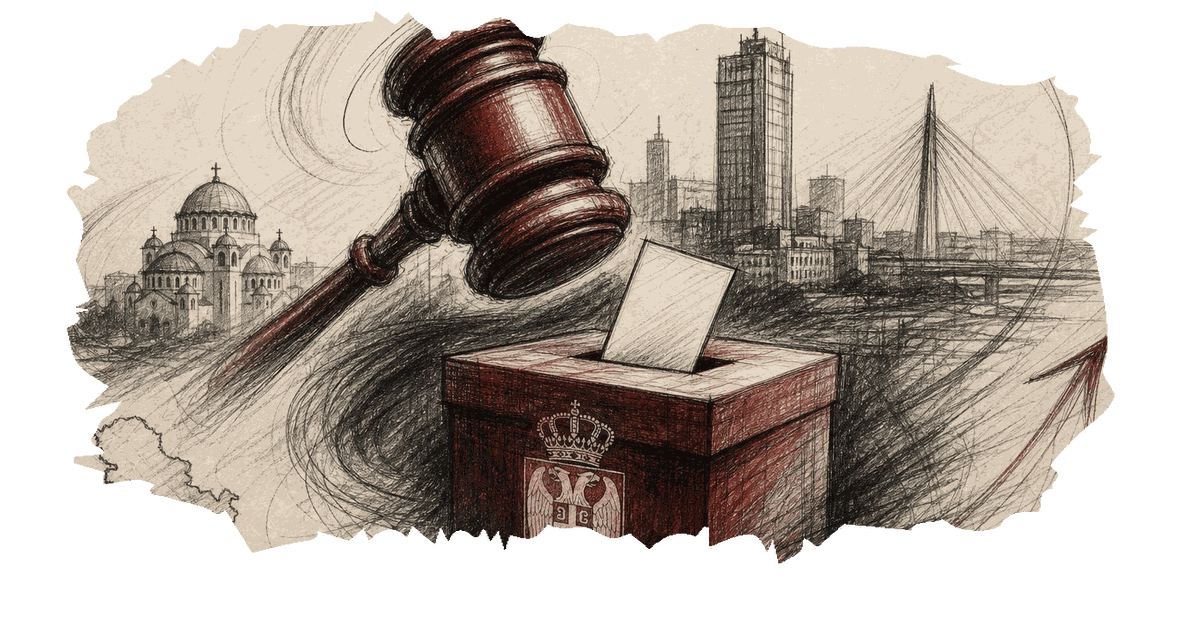
The EU has been assessing Serbia’s candidacy for membership, with ongoing discussions about the country’s political direction and its commitment to democratic principles. The glorification of Mladić has been a longstanding issue, contributing to a stall in Serbia’s EU integration process. European Commissioner for Enlargement Marta Kos has previously highlighted the importance of confronting historical issues and maintaining the rule of law as critical components of the accession process.
Von der Leyen’s address reiterated that the EU accession process will continue based on merit and adherence to EU values. This stance reflects the broader EU policy of reinforcing democratic values and accountability among candidate countries. The European Commission’s approach aims to ensure that new member states are fully aligned with the principles and values of the Union.
The reactions from Serbian officials and the public to von der Leyen’s statements have not been fully captured, but the issue underscores the complexities of Serbia’s EU accession process. The country’s political landscape, including its relations with Kosovo and its stance on EU sanctions against Russia, further complicates its path to membership. President Aleksandar Vučić’s administration has faced criticism for not implementing promised reforms and for its handling of democratic standards.
The EU’s position on Serbia’s candidacy remains a subject of significant debate, with some EU officials calling for more stringent measures in response to Serbia’s actions. Croatian politician Tonino Picula has openly demanded sanctions against Serbia, reflecting the heightened tensions within the EU regarding Serbia’s political trajectory.
As the EU continues to evaluate Serbia’s readiness for membership, the focus remains on the country’s ability to reconcile with its past and uphold democratic values. The forthcoming report on the readiness of the Union for new members will provide a basis for further discussions in the EU Council, potentially influencing Serbia’s accession prospects.
Von der Leyen’s address also touched on broader themes of European sovereignty and independence, emphasizing the EU’s commitment to defending its values in a rapidly changing global landscape. Her remarks highlight the EU’s strategic direction and its efforts to navigate complex geopolitical challenges while maintaining its foundational principles.