

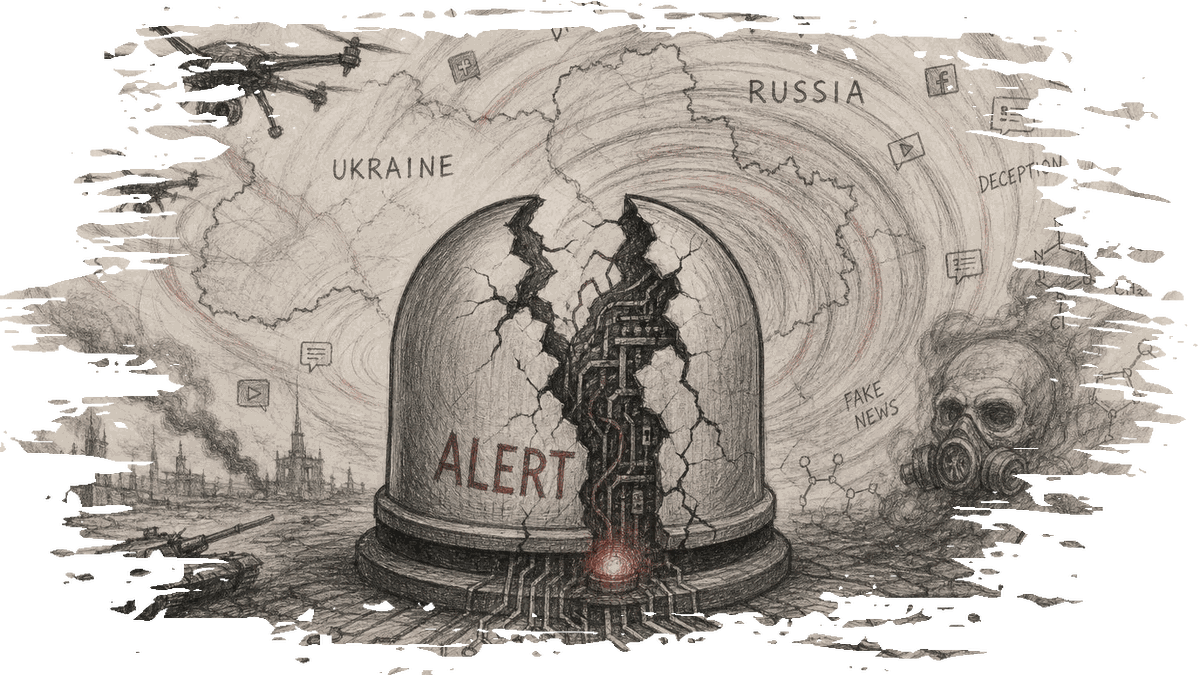
A recent cyberattack on emergency alert systems in Ukraine and Russia has heightened concerns about the escalation of cyber warfare tactics amid ongoing military tensions. On Sunday, users of Ukraine’s Air Alert app received false warnings of nuclear and chemical threats, causing widespread panic. The Ukrainian Air Force later clarified that there was no actual threat, attributing the incident to hacking. Similarly, Russia’s Ministry of Civil Defence reported that its warning systems were also compromised, issuing false alerts about imminent drone attacks.
The hacking incidents coincided with the end of a localized ceasefire in the Russian-occupied Kherson region, which had been in place for six days. This ceasefire, reportedly brokered by U.S. First Lady Melania Trump, was the longest in the ongoing conflict, allowing for humanitarian aid and evacuations in the town of Olekshy. The timing of the cyberattacks has raised fears of renewed fighting along the front lines, as noted by Al Jazeera’s Audrey Macalpine, reporting from Kyiv.
Ukraine’s Center for Strategic Communications pointed to the use of the Russian language in one of the fake messages as evidence of Russian involvement, although no definitive proof has been provided. The Ukrainian government assured citizens that a separate app for the capital city was functioning normally. Meanwhile, in Russia, the false alerts warned of nuclear warheads mounted on Ukrainian drones, urging citizens to stock up on food and seek shelter.
This marks the first known instance of official alert apps being hacked in either country, although cyberwarfare has been a significant component of the conflict since Russia’s annexation of Crimea in 2014. Previous cyberattacks have targeted Ukraine’s election systems and government websites, with both sides engaging in digital confrontations. Ukrainian volunteer-based groups have reportedly targeted Russian infrastructure, while Russian hacker groups have disrupted Ukrainian telecommunications and banking systems.
The implications of these hacking incidents are profound, as they represent a new phase in the psychological warfare tactics employed in the conflict. The spread of misinformation through hacked alert systems can cause panic and destabilization, further complicating the already tense situation. The motivations behind these cyberattacks remain unclear, and there is a risk of speculation without concrete evidence.
As the conflict continues, the potential for escalation in cyber warfare tactics poses a significant threat to regional stability. The international community remains vigilant, with experts emphasizing the need for robust cybersecurity measures to prevent further incidents. The situation underscores the evolving nature of warfare in the digital age, where misinformation and psychological operations play a critical role in shaping public perception and influencing the course of conflicts.


0 Comments