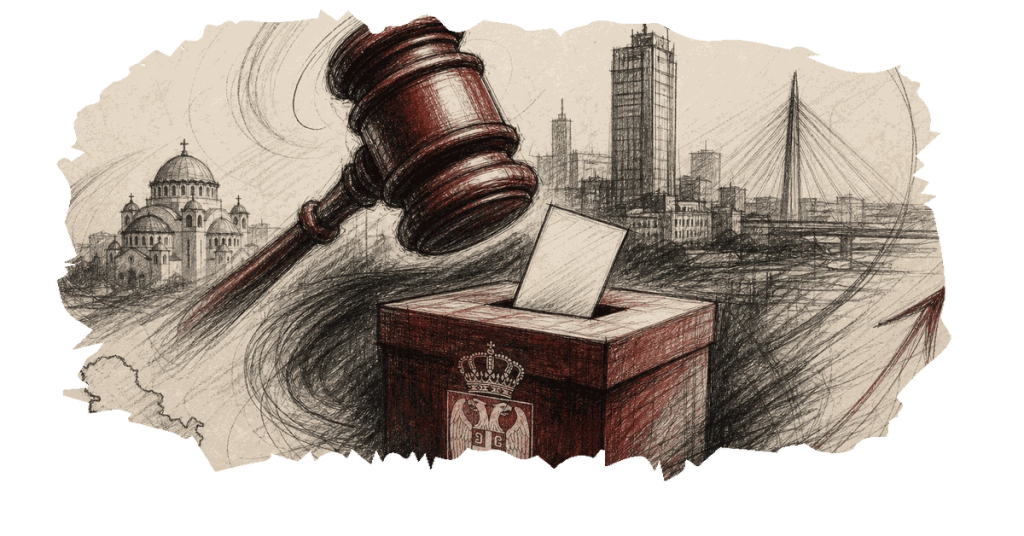
Serbian President Aleksandar Vučić has announced his intention to resign on September 27, following his return from the United Nations General Assembly in New York. This decision will necessitate the scheduling of presidential elections within three months of his resignation. Consequently, the latest possible date for these elections would be December 27. The resignation and subsequent elections are set against the backdrop of Serbia’s political landscape, where parliamentary elections are already scheduled for October 25, making it impossible for both elections to coincide.
Vučić’s announcement is not entirely unexpected, as he had previously indicated plans to resign on September 25 or 26. His resignation marks a significant shift in Serbia’s political environment, as it will trigger a presidential election process that must adhere to specific legal timelines. According to Serbian law, the elections must be announced by the President of the National Assembly, with voting occurring between 30 to 60 days from the announcement. Given these constraints, the earliest possible date for the presidential election would be November 1, provided the elections are called immediately after Vučić’s resignation.

The political ramifications of Vučić’s resignation are considerable, as it opens the field for new candidates and potential shifts in voter dynamics. Vučić has stated his intention to campaign as a private citizen, planning several large rallies across Serbia, including in Kragujevac, Belgrade, Novi Sad, and Niš. His decision to step down before entering the campaign trail is notable, as it deviates from the traditional approach where incumbents often campaign while still in office.
The opposition and political analysts are closely watching these developments, as the upcoming elections could alter the balance of power in Serbia. Vučić’s Serbian Progressive Party (SNS) has been a dominant force in Serbian politics, and his resignation could either consolidate or challenge this dominance, depending on the election outcomes. The opposition, which has been fragmented, may see this as an opportunity to galvanize support and present a united front against the ruling party.
The timing of the resignation and the subsequent elections also raises questions about voter sentiment and engagement. With parliamentary elections already scheduled, the additional presidential elections could either fatigue voters or increase political engagement, depending on how the campaigns unfold. Analysts suggest that the political landscape in Serbia is at a critical juncture, with the potential for significant changes depending on the electoral outcomes.
Vučić’s resignation and the ensuing elections are set to be a focal point in Serbian politics in the coming months. The legal framework dictates that the presidential elections must be conducted within a strict timeline, ensuring that the process is completed by the end of the year. As the political campaigns ramp up, both the ruling party and the opposition will be vying for voter support, setting the stage for a potentially transformative period in Serbia’s political history.