

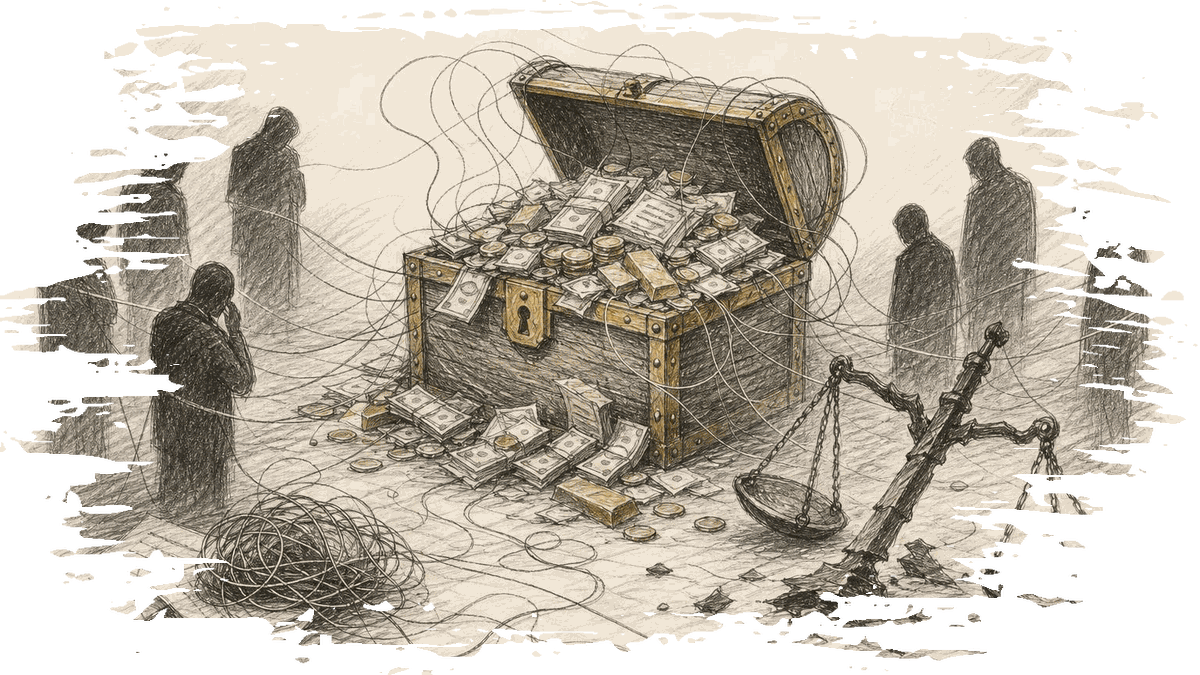
Since 2016, the Serbian Progressive Party (SNS) has received nearly 1.5 billion dinars from the state budget for parliamentary elections, according to a recent analysis by BBC News. This substantial financial backing has positioned the SNS as the most financially dominant political force in Serbia. The analysis highlights the party’s strategic use of state funds, which are legally allowed to be accumulated throughout the year and then deployed during election campaigns. This financial strategy has enabled the SNS to significantly outspend its political rivals, often by a wide margin.
The financial reports submitted to the Anti-Corruption Agency have revealed discrepancies, suggesting potential misuse of funds. Nemanja Nenadić from Transparency Serbia noted inconsistencies between reported and actual expenditures, with some costs not reported or associated with activities prohibited by law. Additionally, the Center for Research, Transparency, and Accountability (CRTA) has documented instances of potential misuse of public resources for party promotion, blurring the lines between political and institutional representation.

From 2016 to the present, all electoral lists participating in parliamentary elections received a total of approximately 3.3 billion dinars from the state budget. The law allocates 0.07% of tax revenues for campaign funding, with 40% distributed equally among all election participants before voting, and the remainder allocated based on the number of seats won. In the most recent elections, the SNS and its coalition partner, the Socialist Party of Serbia (SPS), received about 18 million dinars less than the combined total of the other 15 lists.
The SNS has also been adept at leveraging funds from its regular party account, which is primarily funded by the state, to finance its campaigns. Over the last four election cycles, the SNS has spent approximately one billion dinars this way, dwarfing the 295 million dinars spent by all other parties combined over the same period.
The role of donations in political financing has also been scrutinized. From 2016 to the present, individuals and companies have donated around 337 million dinars to parliamentary campaigns. The SPS received the most from individual donors, totaling about 220 million dinars. The SNS received five million dinars from legal entities and 680,000 dinars from individuals, with all donations reported for the 2016 elections. However, the party has faced allegations of irregularities in donations, particularly during the 2017 presidential campaign when nearly 7,000 individual donors contributed the exact amount of 40,000 dinars each. Some donors later confirmed that party officials provided them with cash to make these donations, a practice President Aleksandar Vučić attributed to legal restrictions on donation amounts.
The Anti-Corruption Agency has previously reported the SNS to the Higher Public Prosecutor’s Office on suspicion of money laundering during the 2014 campaign due to similar findings. These financial practices have raised concerns about the transparency and fairness of the electoral process in Serbia, with experts and watchdog organizations calling for greater scrutiny and reform of political financing laws.
The financial dominance of the SNS, facilitated by state funds and strategic financial management, underscores the challenges of ensuring a level playing field in Serbian elections. As the country approaches its next parliamentary elections, the implications of this financial imbalance for electoral fairness remain a critical issue for both domestic and international observers.


0 Comments