

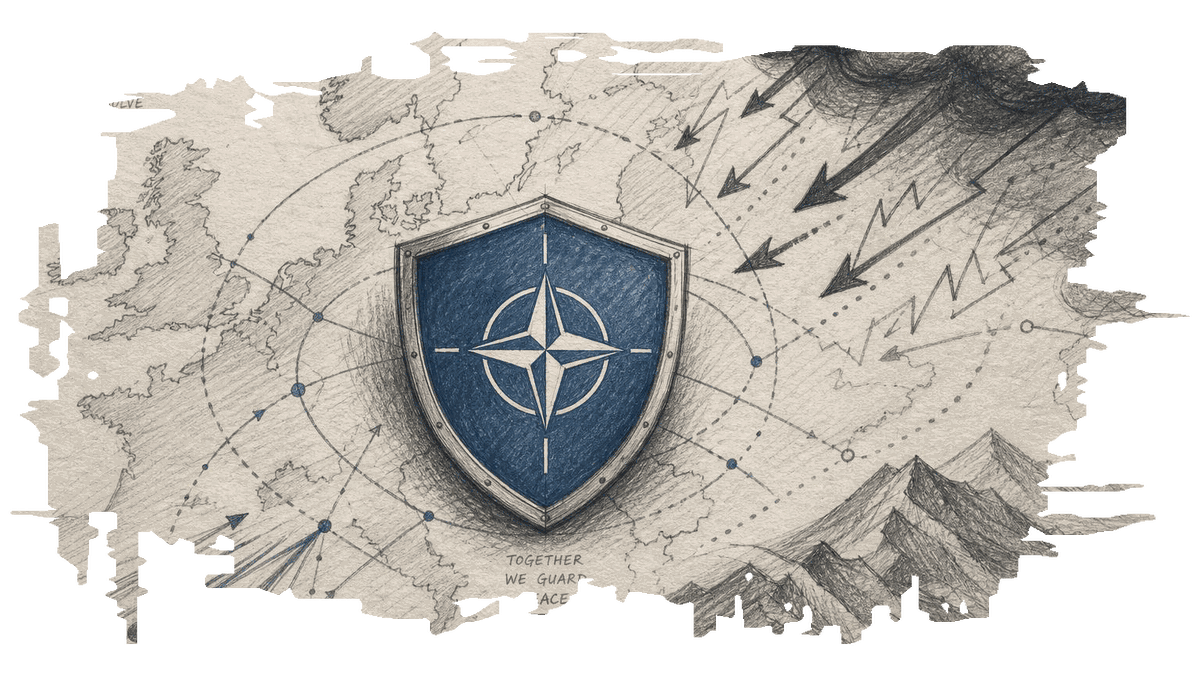
NATO’s top commander, US Air Force General Alexus Grynkewich, has issued a stern warning that the alliance would take decisive action to destroy “anything and everything” if it were attacked. This statement comes amidst growing concerns in Europe over the potential for Russian aggression against NATO territories, as the conflict in Ukraine continues to unfold. Speaking at the Warsaw Security Forum, Grynkewich emphasized NATO’s readiness to counter any initial attacks, stating, “We will block the initial attack. If the attack persists, we will blunt it and prevent any enemy advance. And if required, we will break the enemy’s forces and the operational war-fighting system arrayed against us.”
The general’s remarks highlight the heightened state of alert within NATO, as European governments have accused Russia of increasing its campaign of sabotage, drone incursions, and cyberattacks against them. Despite these tensions, Grynkewich underscored that NATO remains a defensive alliance and does not believe that a conflict is imminent. He stressed the importance of preparedness as a means to preserve peace, advocating for open lines of communication to resolve misunderstandings.

The backdrop to these developments includes Russia’s recent warnings about the potential use of nuclear weapons if NATO attempts to cut off its Baltic Kaliningrad exclave, where it maintains a significant military presence. This situation has been exacerbated by accusations from European governments that Moscow is intensifying its hybrid warfare tactics, which include sabotage and cyber operations.
Grynkewich’s statements are part of a broader strategic posture outlined in NATO’s 10-year plan, established in 2022, which identified Russia as the most significant security threat to the alliance. The plan reflects historical tensions between NATO and Russia, characterized by previous incidents of aggression and the ongoing conflict in Ukraine.
In his address, Grynkewich sought to reassure the citizens of NATO member countries, stating, “What I want to do is assure the one billion citizens of our alliance that we’ve got this. We know what we need to do. We know how we would do it.” He also addressed concerns about the United States’ commitment to NATO, referencing President Donald Trump’s positive reception at a NATO summit in Ankara in July as evidence of continued support.
Russian President Vladimir Putin has recently stated that Russia has no plans to attack any European country and expressed a desire for peaceful coexistence. However, European leaders remain skeptical, recalling similar assurances prior to Russia’s full-scale invasion of Ukraine in 2022. Moscow has consistently denied involvement in sabotage and other hybrid operations.
The situation remains fluid, with the potential for escalation if tensions are not managed carefully. While Grynkewich’s statements are intended to deter aggression and reassure NATO members, the actual likelihood of an attack from Russia is uncertain. The effectiveness of NATO’s current strategies in addressing these threats is a subject of ongoing debate among European leaders.
As NATO continues to navigate these complex dynamics, the alliance’s emphasis on readiness and deterrence remains a central component of its strategy to ensure the security of its member states. The evolving geopolitical landscape will require continued vigilance and adaptability to address the challenges posed by Russia’s actions in the region.



0 Comments