

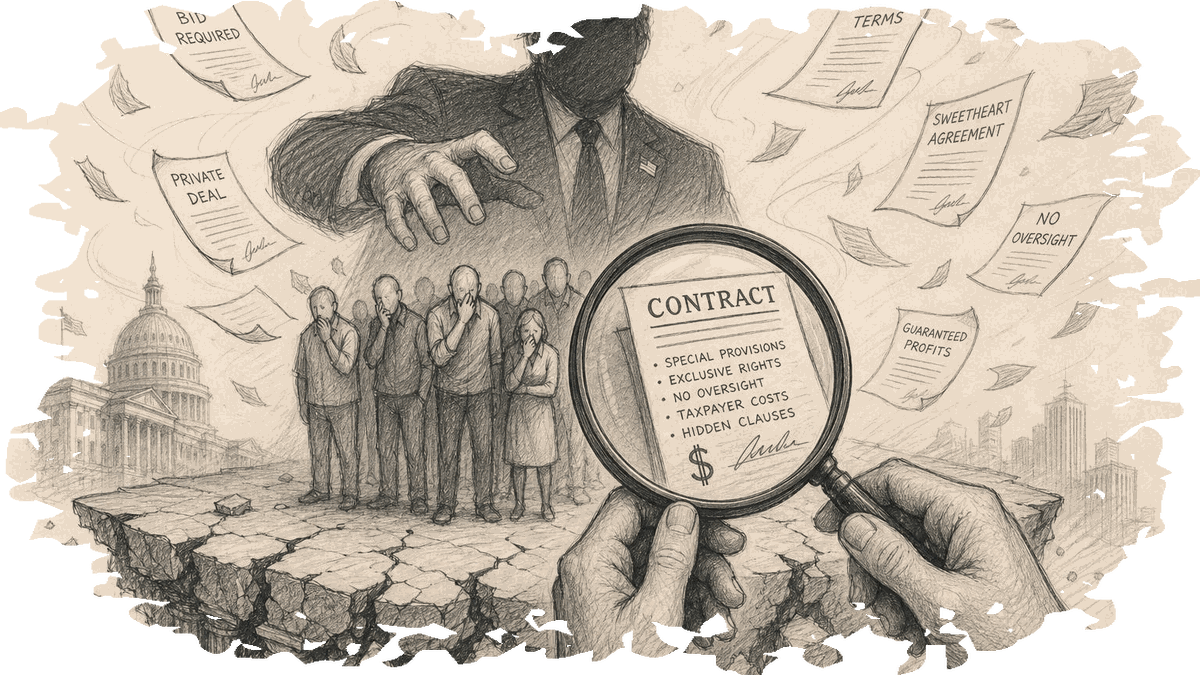
Companies with close ties to Serbia’s ruling Serbian Progressive Party (SNS) have reportedly been securing substantial profits over the past 14 years, often through contracts with the state that have raised questions about their legality and ethicality. As political dynamics in Serbia evolve, there is growing speculation about the future of these companies should the SNS lose power in upcoming elections. This situation has sparked discussions about the potential implementation of “economic lustration,” a process that would scrutinize and possibly penalize firms that have benefited from questionable state deals.
Magna Pharmacia, a company frequently mentioned in these discussions, exemplifies the concerns surrounding state contracts. Between 2020 and 2024, Magna Pharmacia reportedly secured contracts worth nearly 40 billion dinars from the state. During the COVID-19 pandemic, the company was awarded contracts to equip COVID hospitals without public bidding, totaling 4.9 billion dinars. In 2021, as the sole bidder in a consortium, it secured a contract to equip the Clinical Center of Serbia for 14 billion dinars, nearly five times the planned budget. Such dealings have led to accusations of favoritism and inflated tenders, with critics calling for a thorough review of these financial arrangements.

The concept of economic lustration, which involves a legal review of state contracts and the potential confiscation of unlawfully acquired assets, is gaining traction among political and economic commentators. Economist Saša Đogović highlights the prevalence of dubious tenders in state dealings, noting that inflated invoices have often been used to secure larger payments than the actual value of services or works provided. Đogović emphasizes the need for any economic lustration process to be conducted strictly within the bounds of the law, suggesting that legal professionals, rather than economists, should oversee such investigations.
Nemanja Nenadić from Transparency Serbia underscores the importance of adhering to legal frameworks in addressing these issues. He points out that Serbia faces challenges in enforcing its regulations, which has allowed political influence to permeate economic practices. Nenadić suggests that a change in political leadership could lead to a shift in how prosecutorial and investigative bodies handle cases of public procurement violations. He also notes that parliamentary mechanisms, such as the formation of investigative committees, could be employed to examine high-value contracts and propose corrective measures.
The potential for economic lustration raises questions about the fate of companies perceived as having close ties to the SNS. These firms have reportedly benefited from a variety of state contracts, including those related to infrastructure projects and IT sector modernization. The public discourse around economic lustration reflects broader concerns about transparency and accountability in Serbia’s economic practices.
As the political landscape in Serbia remains fluid, the future of these companies and the implementation of economic lustration remain uncertain. While the concept of economic lustration is still in the discussion phase, its feasibility and potential impact on the business environment in Serbia are subjects of ongoing debate. The outcome of upcoming elections and any subsequent political shifts will likely play a crucial role in determining the direction of these discussions and the actions that may follow.



0 Comments