

Ana Brnabić, President of the Serbian National Assembly, has lauded Serbia’s role as a diplomatic hub during the recent commemoration of the 65th anniversary of the Non-Aligned Movement in Belgrade. The event, which saw participation from an impressive number of international delegations, was described by Brnabić as a significant success for Serbia, reinforcing its position as a center of global diplomacy. According to Brnabić, the gathering attracted double the number of delegations compared to the original 1961 conference, underscoring Serbia’s growing influence on the international stage.
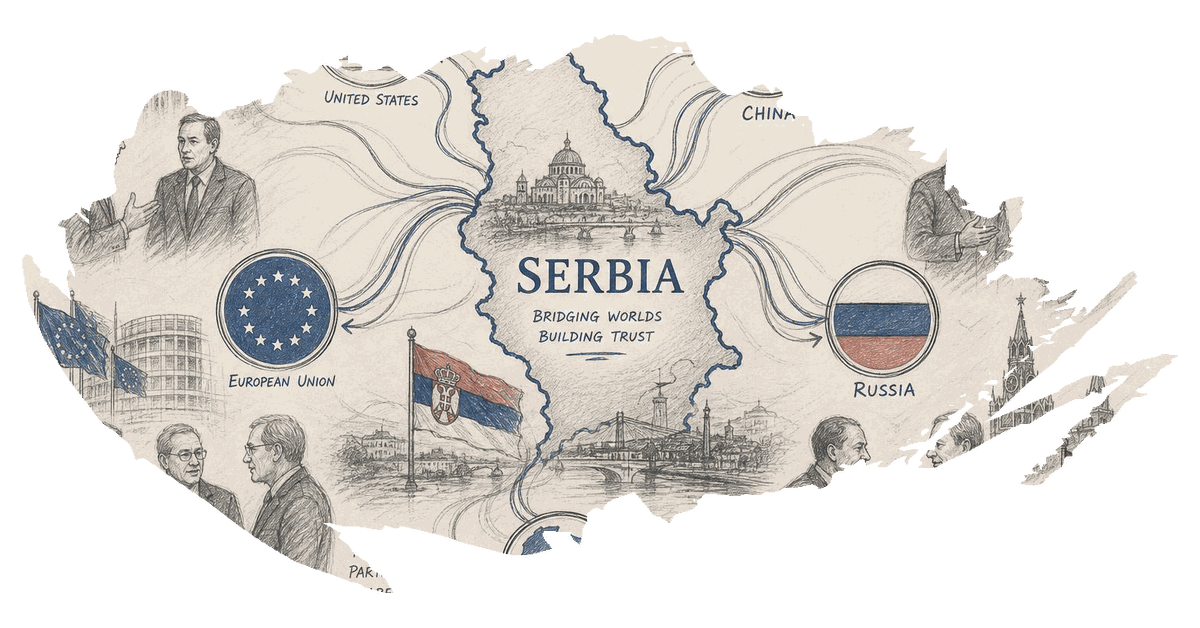
Brnabić emphasized that Serbia’s foreign policy, under the leadership of President Aleksandar Vučić, has been both successful and balanced. This policy has enabled Serbia to maintain strong relations with a diverse array of global powers, including the United States, China, and Russia, while also engaging with the European Union. She highlighted the presence of influential leaders from countries such as Ghana, Somalia, Cameroon, Mozambique, and others, which she believes reflects Serbia’s diplomatic achievements.
The Non-Aligned Movement, founded in 1961, was initially established to provide a platform for countries not aligned with major power blocs during the Cold War. The recent gathering in Belgrade served as a reminder of the movement’s ongoing relevance, with Brnabić asserting that the movement might be more important today than it was in its early days. She expressed her belief that Africa, in particular, is a continent of the future, growing in influence and importance.
In her remarks, Brnabić also addressed domestic political tensions, particularly criticizing opposition movements that she claims are based on misinformation and manipulation. She noted a decline in support for protests organized by student groups, citing a significant drop in participation numbers compared to the previous year. Brnabić accused these groups of using falsehoods to escalate societal tensions, while also defending President Vučić against accusations of neglecting to honor victims of past tragedies.
Brnabić’s comments come at a time when Serbia is navigating complex international relationships. She praised Vučić’s ability to maintain a strategic dialogue with the United States and a cooperative future with China, while also keeping open lines of communication with Russia. This diplomatic balancing act is seen as a testament to Serbia’s independent foreign policy, which has allowed it to host significant international events like the Non-Aligned Movement gathering.
Despite the positive portrayal of Serbia’s diplomatic achievements, Brnabić’s statements did not address criticisms from opposition parties or provide a platform for dissenting views on the current government’s foreign policy strategy. The absence of these perspectives leaves room for debate about the full impact and reception of Serbia’s international engagements.
The event in Belgrade, marked by the presence of numerous foreign dignitaries, highlighted Serbia’s ambition to position itself as a key player in global diplomacy. As the country continues to balance its relationships with major global powers, the outcomes of such diplomatic endeavors will likely influence its future role on the international stage.



0 Comments