The death of Ratko Mladić, a convicted war criminal, has reignited public debate and controversy in Serbia, reflecting deep societal divisions regarding his legacy. Mladić, who was sentenced to life imprisonment in 2017 for genocide and war crimes, remains a polarizing figure in the region. His passing has led to a surge of public displays of support, particularly in Republika Srpska and parts of Serbia, where many continue to view him as a hero. This sentiment is sharply contested, with others condemning his actions during the Yugoslav Wars.
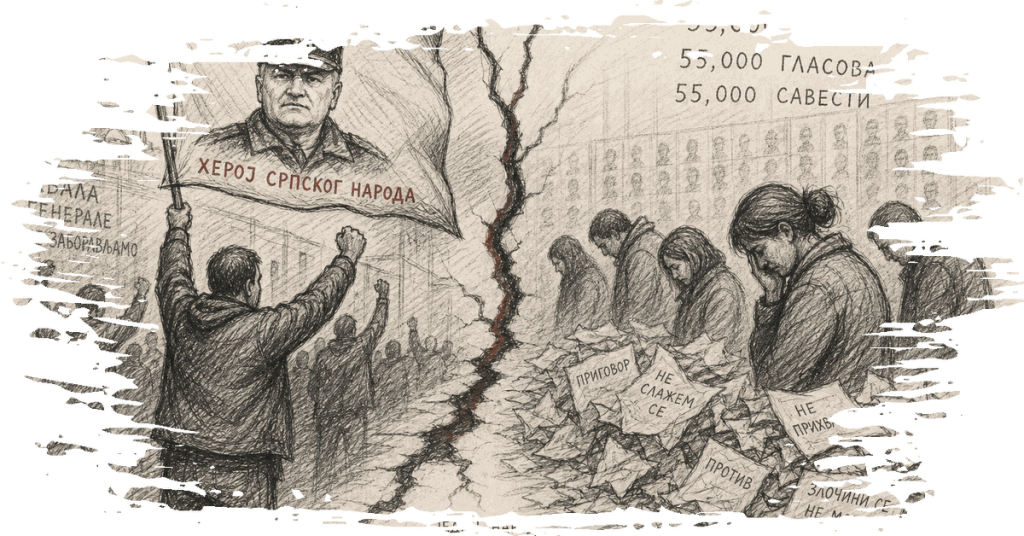
In the aftermath of Mladić’s death, approximately 55,000 criminal complaints have been filed against citizens in Republika Srpska for their online expressions related to him. These complaints have been lodged with the Prosecutor’s Office of Bosnia and Herzegovina, highlighting the contentious nature of public discourse surrounding Mladić. The legal actions underscore the ongoing tension in the region, where discussions about national identity and the legacy of war crimes remain highly sensitive.

The glorification of Mladić has sparked significant controversy and debate within Serbia and beyond. Public displays of support, such as rallies and social media posts, have been met with criticism from those who view such actions as an affront to the victims of the atrocities for which Mladić was convicted. Critics argue that the celebration of Mladić’s legacy perpetuates a culture of denial and impedes reconciliation efforts in the region.
The societal implications of Mladić’s death and the public’s reaction are complex, involving a mix of historical grievances, nationalistic fervor, and differing interpretations of justice and heroism. In Serbia, the media landscape reflects these divisions, with some outlets portraying Mladić as a martyr and others emphasizing the moral and ethical implications of glorifying a convicted war criminal.
The atmosphere in Serbia remains tense, with ongoing discussions about the country’s role in the Yugoslav Wars and the broader implications of Mladić’s legacy. The debate over whether to remember Mladić as a hero or a criminal is emblematic of the broader struggle within Serbian society to come to terms with its past. This struggle is further complicated by political dynamics, as leaders in Republika Srpska and Serbia navigate the delicate balance between honoring national sentiments and adhering to international norms and expectations.
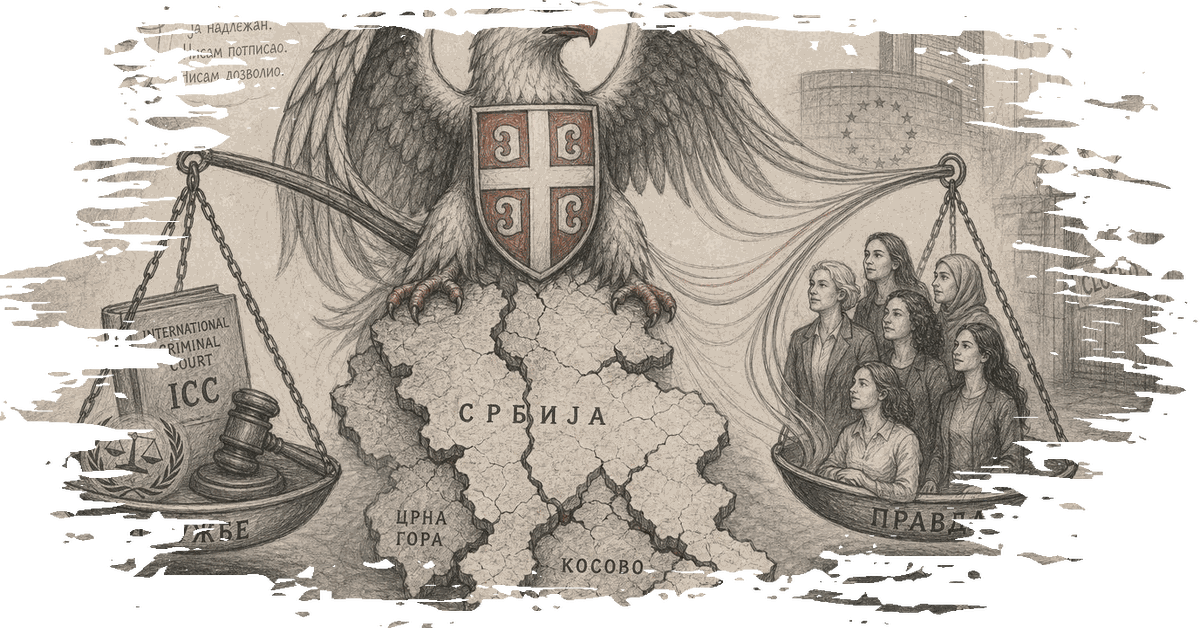
As Serbia grapples with these issues, the international community continues to monitor the situation closely. The response to Mladić’s death and the subsequent legal actions in Republika Srpska may have implications for Serbia’s relations with its neighbors and its aspirations for European integration. The ongoing debate over Mladić’s legacy serves as a reminder of the challenges that persist in achieving lasting peace and reconciliation in the Balkans.