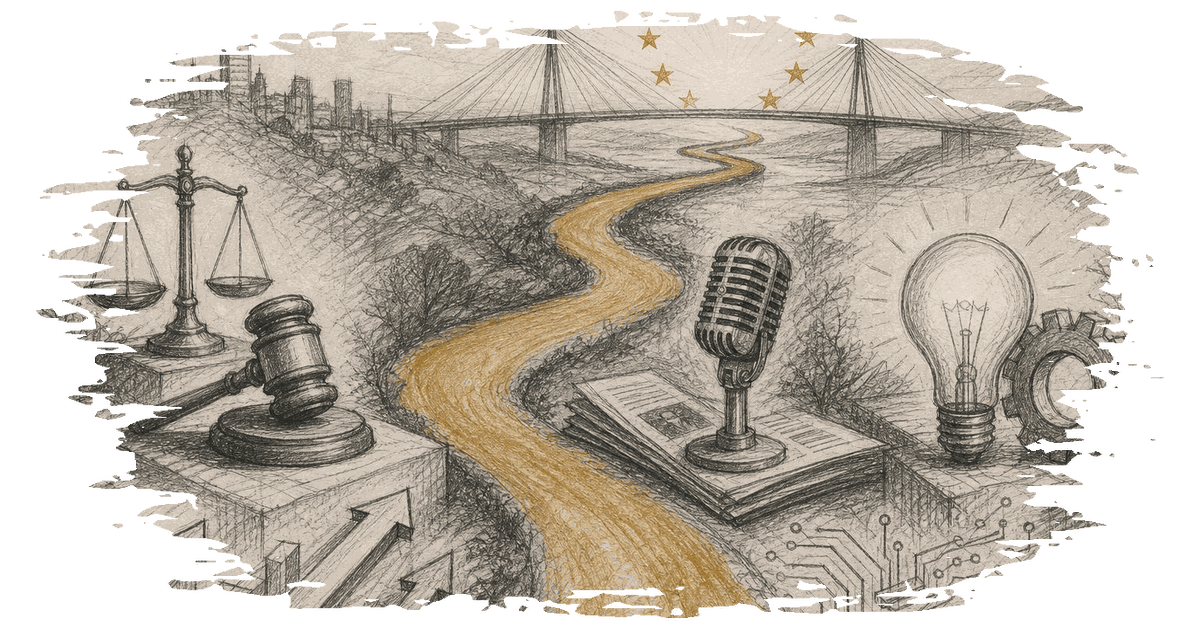
The European Union is developing a digital regulation framework in response to the rise of artificial intelligence (AI). The goal is to balance innovation with ethical considerations and lead global AI governance.
The European Commission has proposed regulations to ensure responsible AI development and use. The Artificial Intelligence Act classifies AI systems by societal risk, from minimal to unacceptable. This targets potential harms while promoting innovation within the EU’s digital economy.
Margrethe Vestager, European Commissioner for Competition, emphasized the legislation’s importance: “We want to ensure that AI can be trusted, and that it is used in a way that is safe and respects our fundamental rights.” Her comments highlight the EU’s commitment to protecting citizens while fostering technological progress.
The regulations have sparked debate among technology companies, privacy advocates, and policymakers. Tech giants like Google and Microsoft warn that overregulation could stifle innovation and hinder EU competitiveness. Privacy advocates welcome strong regulations as essential for preventing abuses and protecting individual rights.
A key feature of the Artificial Intelligence Act is its focus on high-risk AI applications in areas like critical infrastructure, law enforcement, and biometric identification. These will face stringent requirements such as transparency obligations, human oversight, and robust data governance to mitigate risks impacting fundamental rights.
The EU’s regulatory approach is part of a broader strategy to enhance digital sovereignty and assert global influence. By establishing clear regulations, the EU hopes to set a benchmark for other jurisdictions and encourage international cooperation on AI governance. This ambition aligns with the EU’s Digital Compass, which sets digital targets for 2030, including having 75% of EU companies using AI by decade’s end.
Implementing these regulations involves challenges. Negotiations among EU member states and the European Parliament must address varying priorities. Consensus on issues like regulation scope and high-risk application definitions requires careful deliberation.
Technological advancement poses ongoing challenges for regulators. As AI evolves, so must regulation—requiring flexibility and adaptation. Continuous dialogue among regulators, industry, and civil society remains crucial in this dynamic environment.