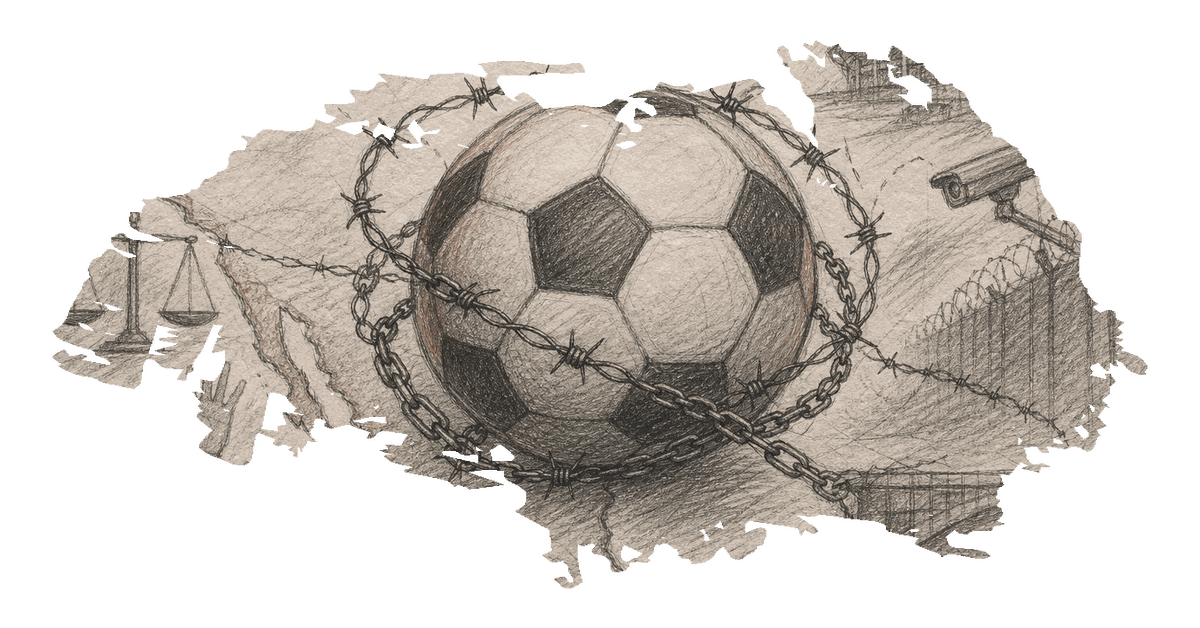
Numerous cultural events in Vojvodina and Novi Sad have been canceled or relocated due to financial issues and other pressures, altering the region’s cultural landscape. This shift departs from a long tradition of diverse cultural activities, raising concerns about the future of cultural engagement there.
The EXIT Festival, a staple in Novi Sad, has announced its relocation to Montenegro. Financial pressures and support for student protests prompted the move. Milojko Spajić, President of the Montenegrin Government, confirmed that the festival will now be part of Montenegro’s tourism strategy, promising over 210,000 overnight stays and more than 40 million euros in revenue during 2026. The festival will feature major international artists, positioning Montenegro as a European music tourism hub this summer.
Other events like the Circles theater festival and the Book Talk literary panel have also been affected. Circles, a fixture for nearly two decades, scaled back due to the lack of a Ministry of Culture competition for theater funding this year. Miroslav Radonjić, director of the Sterija Theater, cited financial constraints and insufficient support from the Provincial Government.
The Book Talk panel, founded in 2015 in Novi Sad, is moving to Belgrade after being rejected in both Provincial and City competitions. This panel has been crucial for writers, literary critics, and publishers across the Balkans. Its relocation highlights challenges in securing funding and support for cultural initiatives.
Local authorities seem to prioritize projects with narrow local importance over those with broader cultural significance. Budget allocations have favored figures like Aja Jung and Lazar Ristovski while other culturally significant projects receive minimal support. This funding pattern has faced criticism for lacking inclusivity.
The changing cultural scene raises questions about the long-term implications for Vojvodina and Novi Sad’s cultural identity and vibrancy. Event cancellations and relocations affect not only local engagement but also economic aspects since these events attract visitors and generate revenue.
There’s a growing call for balanced cultural funding that values both local and internationally significant events. Supporting diverse projects is crucial to reflect Vojvodina and Novi Sad’s rich cultural tapestry.
In conclusion, current challenges facing cultural initiatives underscore the need for a more inclusive approach to funding that sustains the region’s vibrant culture.