

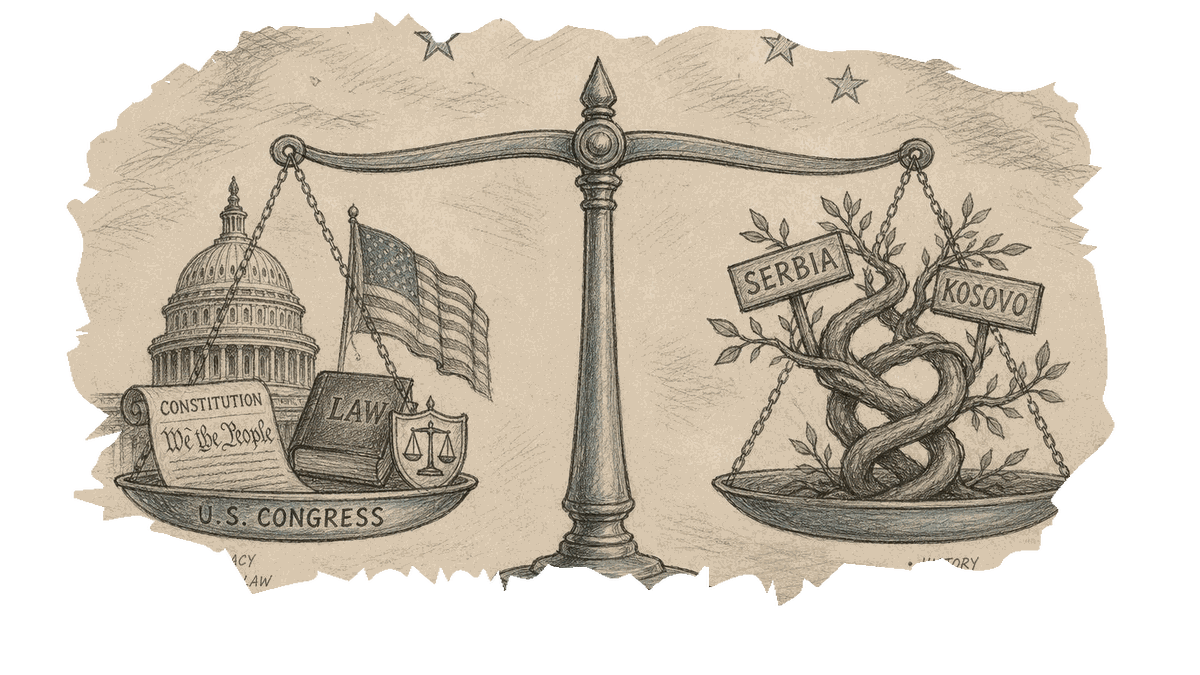
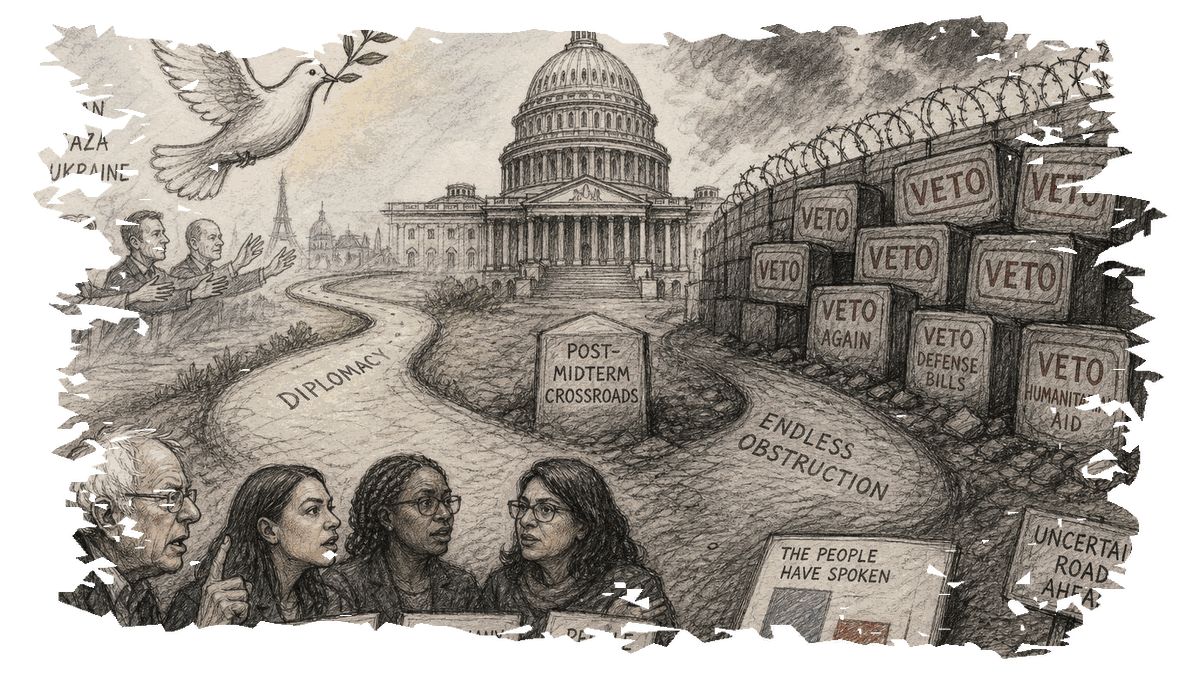
The recent shift in the U.S. Congress, with Democrats gaining control of both houses, could lead to increased American engagement in the Western Balkans, particularly in the relations between Serbia and Kosovo. This development comes after the recent U.S. midterm elections, which saw a significant political shift. Edward Joseph, a Balkan expert, anticipates that the Democratic-controlled Congress will push for a reassessment of U.S. policy towards Serbia. Joseph suggests that political changes in Serbia, including the victory of the Students’ List over the Serbian Progressive Party (SNS) on October 25, 2026, could prompt Washington to seek greater involvement in stabilizing relations with Kosovo.
Joseph highlighted the opportunity for Kosovo’s Prime Minister, Albin Kurti, to adopt a new approach towards the Serbian community in light of these changes. He emphasized that Kurti has a “rare opportunity” to propose a new policy that could improve relations with both Kosovo’s Serbs and Serbia. However, Joseph warned that if Kurti continues his current approach, Kosovo might face increased pressure and criticism. This comes after years of criticism from the U.S. and the EU regarding Kurti’s unilateral actions in northern Kosovo, which are seen as escalating tensions and insecurity among Kosovo’s Serbs.
Daniel Fried, a former U.S. ambassador, noted the potential for “creative diplomacy” in the region, although he cautioned against expecting immediate initiatives. Fried suggested that there could be closer U.S.-Europe cooperation to guide Serbia towards European integration. He also mentioned that Kosovo should strive to strengthen its ties with Washington and not be viewed solely through the lens of its disputes with Serbia. Fried advised Kosovo to focus on its founding principles, such as democracy and the rule of law, to enhance its international standing.
Robin Brooks, a former director for Central Europe and the Balkans at the U.S. National Security Council, indicated that the new Congress would likely focus on domestic issues such as high prices and healthcare costs. However, she also mentioned that the Trump administration’s foreign policy decisions could be re-evaluated. Brooks criticized Kosovo’s previous attempts to align its foreign policy closely with the Trump administration, describing it as a mistake that did not yield long-term benefits. She suggested that Kosovo should aim for a European future and engage with both Democrats and Republicans in the U.S. Congress.
The recent electoral changes in Serbia, with the Students’ List ending the long-standing dominance of the SNS, provide a backdrop for these potential shifts in U.S. foreign policy. The Students’ List’s victory has been one of the most significant political developments in the Balkans, and it may influence how the U.S. approaches its policy in the region. The broader context includes previous criticisms of U.S. administrations for their handling of the Serbia-Kosovo relationship, particularly under Donald Trump’s presidency.
While experts see potential for increased engagement, they caution against overestimating the immediacy or scale of U.S. initiatives in the region. The complexities of Serbian domestic politics and public sentiment towards U.S. involvement are factors that may influence the extent and nature of American engagement in the Western Balkans.



0 Comments