The United States and Iran are reportedly close to finalizing a new political and security understanding. This potential agreement, described as a “memorandum of understanding” rather than a final deal, aims to de-escalate tensions that have been mounting over the past few months. The negotiations are being closely monitored due to their potential impact on global energy markets and regional security, particularly concerning the Strait of Hormuz, a critical chokepoint for oil transportation.
According to reports, the discussions have intensified recently, with both sides reportedly agreeing on the text of a peace agreement. Pakistani Prime Minister Shehbaz Sharif has indicated that a digital signing of the agreement could occur within 24 hours, marking a significant step forward in resolving a conflict that has seen numerous military and diplomatic escalations. The proposed framework is expected to address key issues such as Iran’s nuclear program and associated security concerns, setting the stage for more comprehensive negotiations in the future.
The potential agreement has garnered attention not only for its immediate implications but also for the broader geopolitical shifts it represents. The negotiations have involved high-level participation from both the U.S. and Iran, with American officials like Secretary of State Marco Rubio and Defense Secretary Pete Hegseth actively engaged. The diplomatic efforts have been described as comprehensive, involving various stakeholders to ensure a robust and sustainable outcome.
Despite the optimism surrounding the negotiations, there are still significant hurdles to overcome. Some hardliners within Iran remain opposed to any agreement that might be perceived as a compromise, and there is skepticism about whether the U.S. will follow through on commitments to ease sanctions. The U.S. administration has emphasized that any sanctions relief will be contingent upon Iran’s compliance with specific nuclear-related conditions, including the dismantling of nuclear sites and cessation of support for groups the U.S. designates as terrorist organizations.
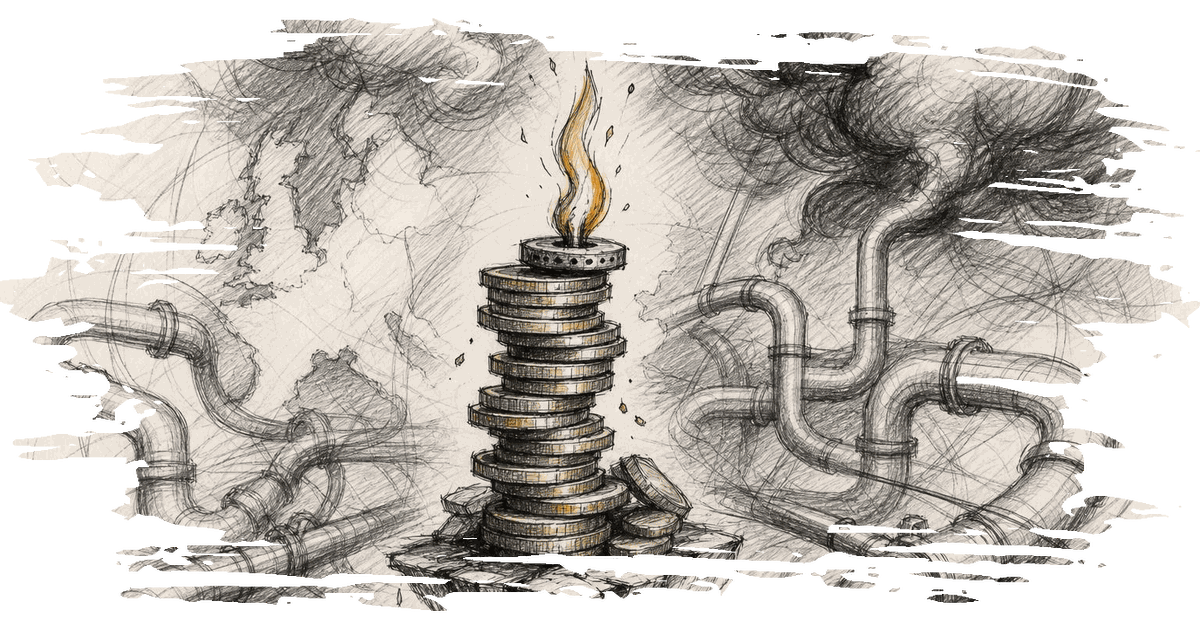
The potential agreement also includes provisions for the U.S. to release billions of dollars in frozen Iranian assets and lift sanctions on Iranian oil exports, contingent upon Iran’s adherence to the terms. However, an American official has clarified that no funds will be released until Iran fulfills its obligations under the agreement. The discussions also touch on the strategic importance of the Strait of Hormuz, with assurances that it will remain open to international shipping.
The involvement of regional players has been pivotal in facilitating the negotiations. Pakistan has played a crucial role as a mediator, with its diplomatic efforts reportedly helping to de-escalate recent tensions. Additionally, a Qatari diplomatic mission to Tehran is credited with defusing a potential military confrontation between the U.S. and Iran, highlighting the importance of regional diplomacy in achieving a peaceful resolution.
While the negotiations are progressing, the final signing of the agreement remains uncertain. Past attempts at reaching a similar understanding have faltered at the last minute, and both sides are cautious in their public statements. Iranian officials have expressed a mix of optimism and caution, with some media outlets portraying the potential agreement as a victory for Iran, while official channels adopt a more reserved tone.
The