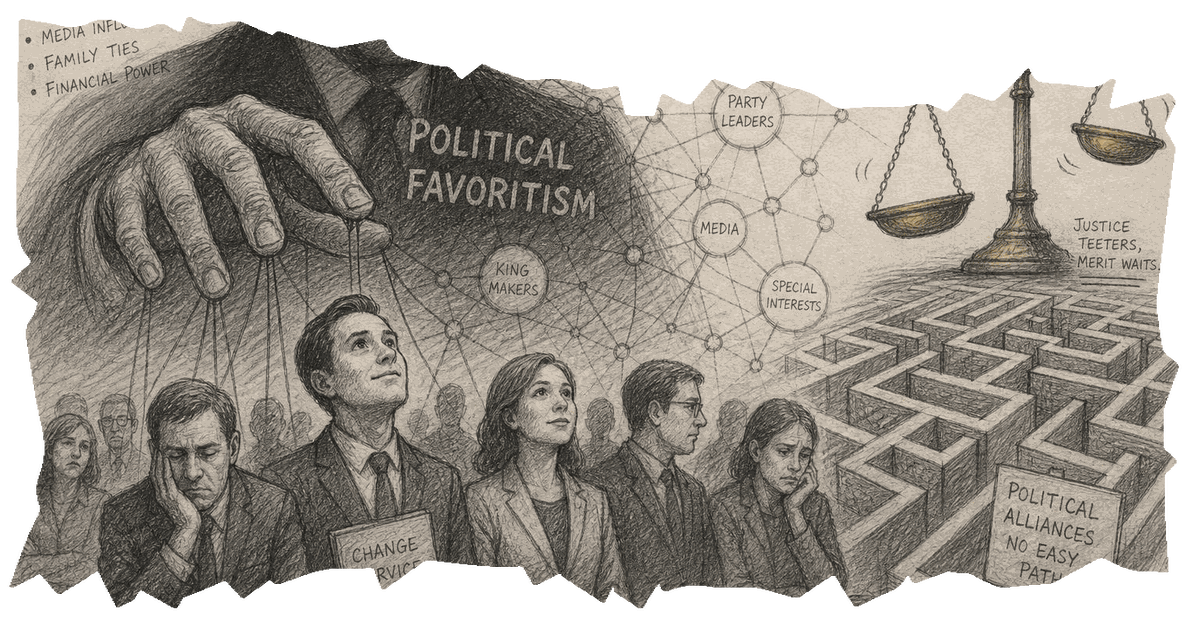
Serbian politicians Vladan Đokić and Nebojša Bojović are under scrutiny following allegations of financial misconduct involving substantial payments from state funds. The two individuals, who have been publicly critical of the Serbian government, reportedly received nearly 5 million dinars from the state budget over a span of three years. This sum was allegedly paid for their roles on the board of the Institute for Architecture and Urbanism, raising questions about their integrity and the broader issue of political corruption in Serbia.
According to a report by Informer, Đokić and Bojović, while serving as board members, participated in a total of 21 meetings over the three-year period. During this time, Bojović, as the board president, received a total of 2,718,612 dinars, while Đokić, a board member, received 2,112,373 dinars. The payments were made in addition to their salaries from the University of Belgrade, where they hold prominent positions.
The report accuses the two of hypocrisy, alleging that they have been vocally critical of the Serbian government while simultaneously benefiting from state funds. This accusation is particularly contentious given the political climate in Serbia, where the opposition and government frequently clash over issues of governance and financial management.
The allegations against Đokić and Bojović are set against a backdrop of ongoing discussions about political corruption in Serbia. The country has been grappling with systemic issues within its government, with opposition figures often accusing the ruling party of mismanagement and corruption. These latest accusations add to a complex narrative of political and financial impropriety that has long plagued Serbian politics.
Informer, the source of the allegations, is known for its sensationalist reporting, which raises questions about the objectivity of the claims. There is currently no response from Đokić and Bojović regarding the allegations, which could lead to an unbalanced narrative. Efforts to obtain comments from the accused could provide a more comprehensive view of the situation.
The implications of these allegations are significant, as they highlight potential ethical breaches by individuals who are supposed to uphold public trust. If true, such actions undermine the credibility of political figures and institutions, further complicating the political landscape in Serbia.
This case also underscores the challenges faced by Serbian authorities in addressing corruption. The government’s ability to manage and investigate such claims effectively is crucial to maintaining public confidence and ensuring accountability within its institutions.
As the situation develops, it remains to be seen how Đokić and Bojović will respond to the allegations and what actions, if any, will be taken by Serbian authorities. The case serves as a reminder of the ongoing struggles against corruption and the need for transparency and accountability in public office.