In a recent interview with the Serbian publication “Vreme,” esteemed actor Svetozar Cvetković voiced his concerns over the state of cultural festivals in Serbia amidst ongoing political tensions. Cvetković emphasized the importance of maintaining cultural events such as the Bitef and Fest festivals, arguing that their existence is preferable to their absence, despite the challenges posed by political interference.
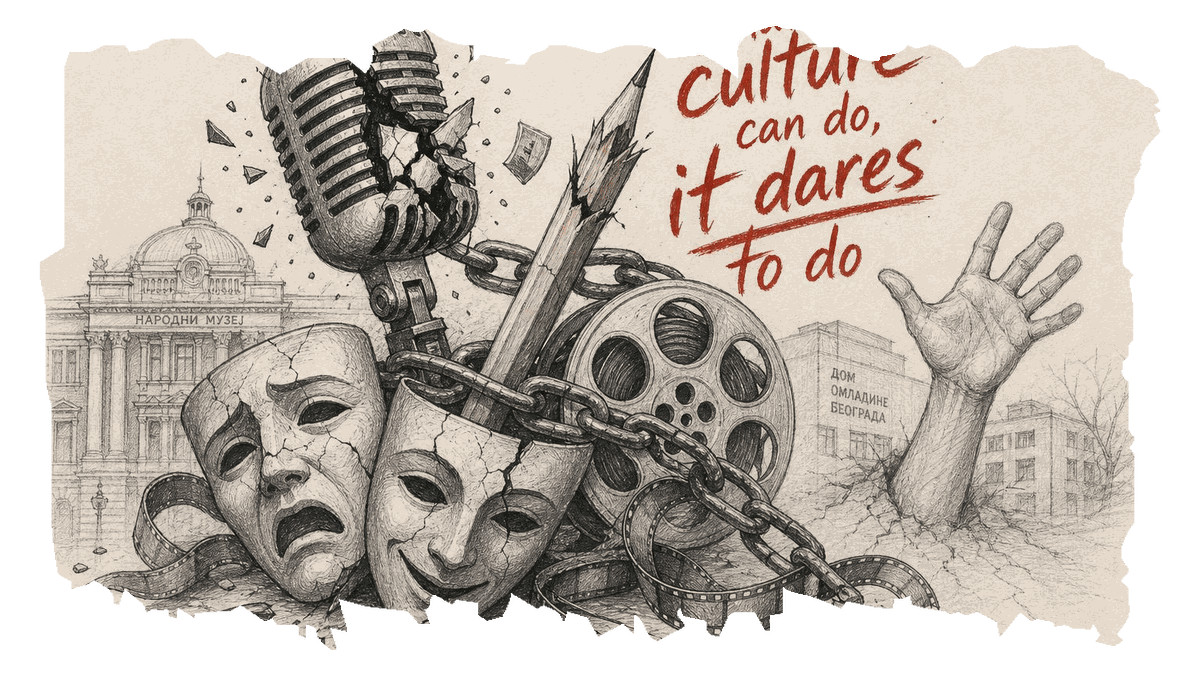
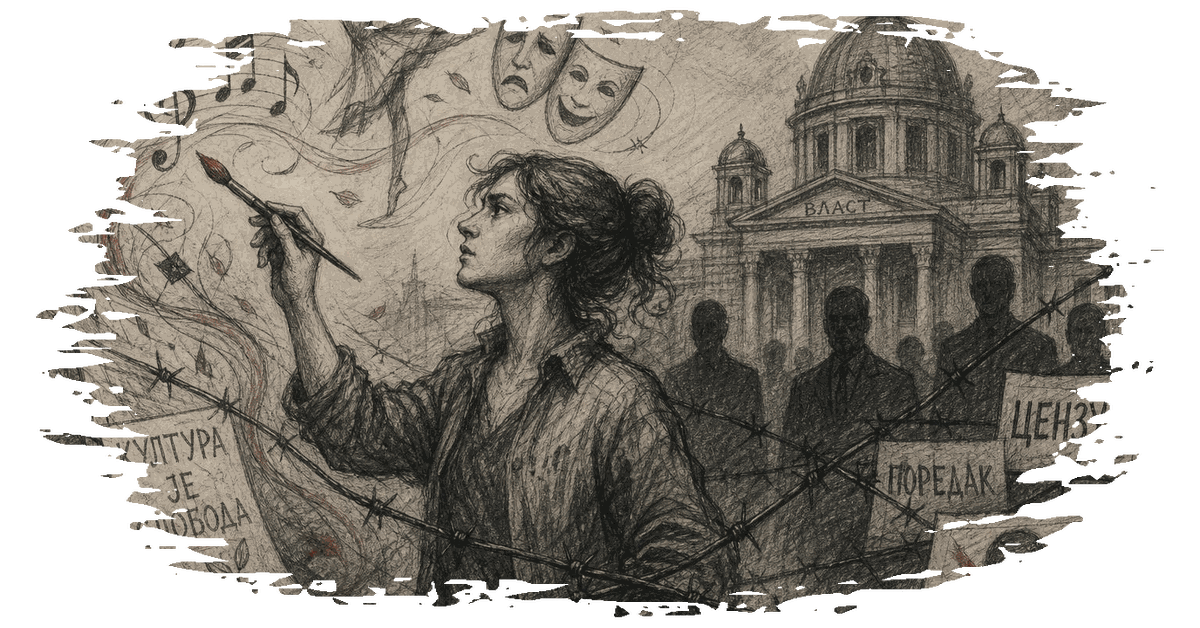
Cvetković expressed his apprehension about the increasing censorship in the arts, particularly highlighting the obstruction of this year’s Bitef festival. He attributed this blockade to political motivations, specifically pointing to a previous incident where a director at the festival spoke out against lithium mining, which led to governmental pushback. This situation, according to Cvetković, exemplifies the broader issue of censorship that threatens artistic expression in Serbia.

The actor stressed that theaters should remain spaces for free expression, irrespective of the political climate or the government in power. He criticized the actions of some within the cultural community who, he claims, have discouraged international theaters from participating in Serbian festivals by portraying the country as intolerant of artistic freedom. Cvetković argued that such actions only serve to undermine the cultural scene, rather than preserve it.
Cvetković’s comments shed light on the ongoing struggle within Serbia’s cultural sphere, where artists and cultural figures often find themselves at odds with government policies. The historical context of this tension dates back several years, with the cultural community frequently challenging government actions perceived as restrictive to freedom of speech and artistic integrity.
The actor’s remarks also touched upon the broader cultural dynamics in Serbia, where opposition to the current government is prevalent among intellectuals, activists, and media professionals. Cvetković’s stance highlights a division within the cultural community itself, between those who advocate for boycotts and those who believe in preserving cultural institutions, even if imperfectly.
In the interview, Cvetković also defended Ljubiša Ristić, a director whose appointment to lead Atelje 212 was controversial due to the manner in which the previous director was dismissed. Despite the controversy, Cvetković praised Ristić’s contributions to the arts, describing him as a pioneering figure.
Cvetković’s perspective underscores the complexities of navigating cultural production in a politically charged environment. His call for maintaining cultural festivals, despite political interference, reflects a desire to safeguard spaces for artistic expression and public engagement. The actor’s comments invite further discussion on how best to support and sustain cultural activities in Serbia amidst ongoing political challenges.