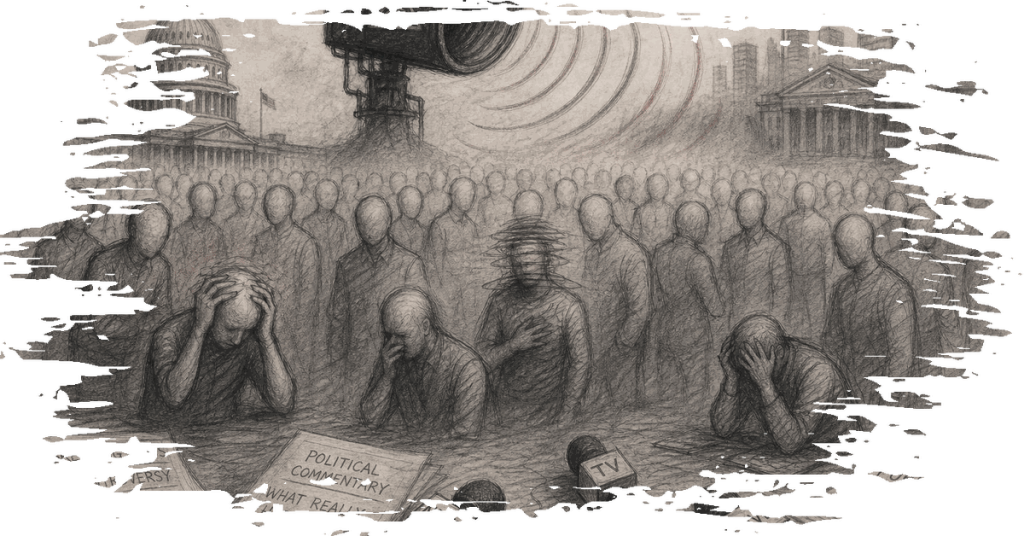
The Higher Public Prosecutor’s Office in Serbia has declared that an investigation into the alleged use of a sound cannon during a public gathering in Belgrade has found no evidence of such a device being used. This announcement follows claims made by opposition politicians and media outlets that around 4,000 people experienced health issues due to the purported use of a sound cannon, a claim that the investigation has now deemed significantly exaggerated.
The investigation, conducted by the Prosecutor’s Office in collaboration with other state bodies, revealed that only 38 individuals out of the alleged 4,000 provided medical documentation. The health complaints reported were mostly minor, including cases of hemorrhoids, menstrual bleeding, and burst capillaries, rather than severe injuries such as eardrum damage or serious disorientation. The findings suggest that the claims of widespread health issues were part of a psychological operation aimed at discrediting Serbian President Aleksandar Vučić and his administration.

The investigation also highlighted that many of the complaints were made by individuals who had pre-existing conditions, such as anxiety, and were already under psychiatric care. The report suggests that the narrative of a sound cannon attack was propagated by opposition figures and certain media outlets to manipulate public perception and destabilize the government.
The Prosecutor’s Office noted that if a sound cannon had indeed been used, the impact would have been felt by all attendees at the event, not just a select few. Furthermore, no security personnel or police officers present at the scene reported any health issues, which would be expected if such a device had been deployed.
In response to the investigation’s findings, the Prosecutor’s Office criticized the role of certain civil society organizations and media outlets in inflating the number of alleged victims. These organizations initially claimed that 3,000 to 4,000 people were affected, but when asked to provide a list of these individuals, they could only identify 34 people.
The investigation’s outcome has raised questions about the integrity of the claims made by opposition groups and the media, and it underscores ongoing tensions between the Serbian government and its critics. The findings have been used by government supporters to argue that the allegations were part of a broader strategy to undermine President Vučić’s leadership.
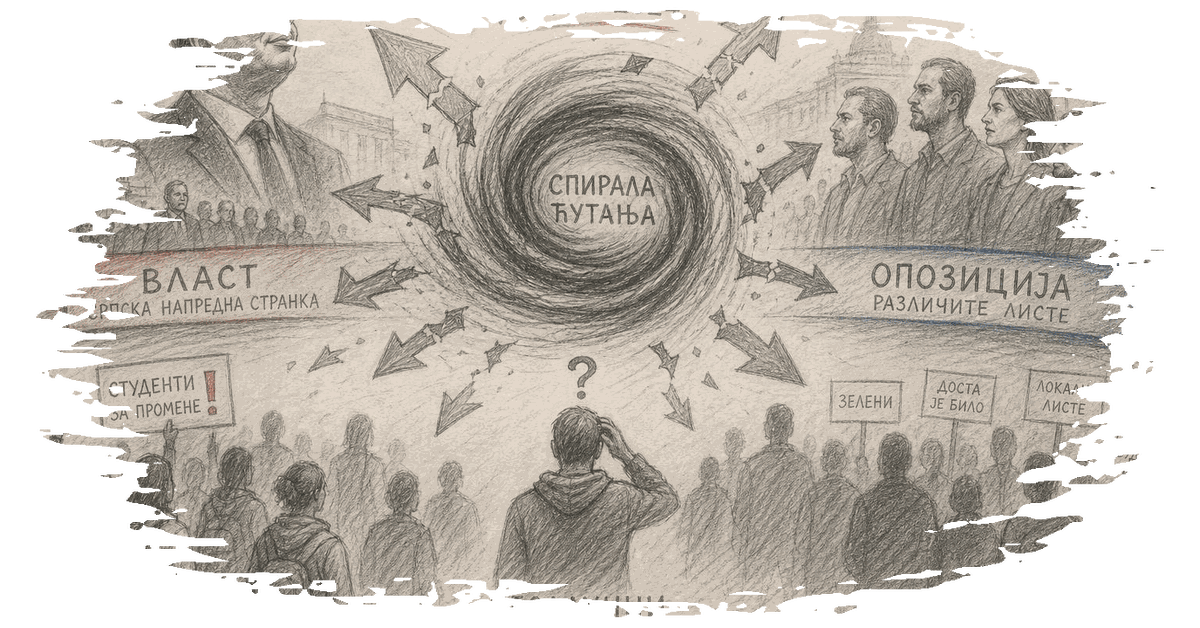
While the investigation has concluded that the sound cannon narrative was unfounded, the incident reflects the polarized political climate in Serbia, where accusations of media manipulation and political maneuvering are not uncommon. The government’s handling of the situation and the subsequent investigation may influence public trust in both the media and political institutions in Serbia.
The situation highlights the challenges faced by Serbian authorities in navigating the complex landscape of political opposition and media narratives. As the country approaches its next parliamentary elections, the impact of such incidents on voter sentiment and political stability remains to be seen.