

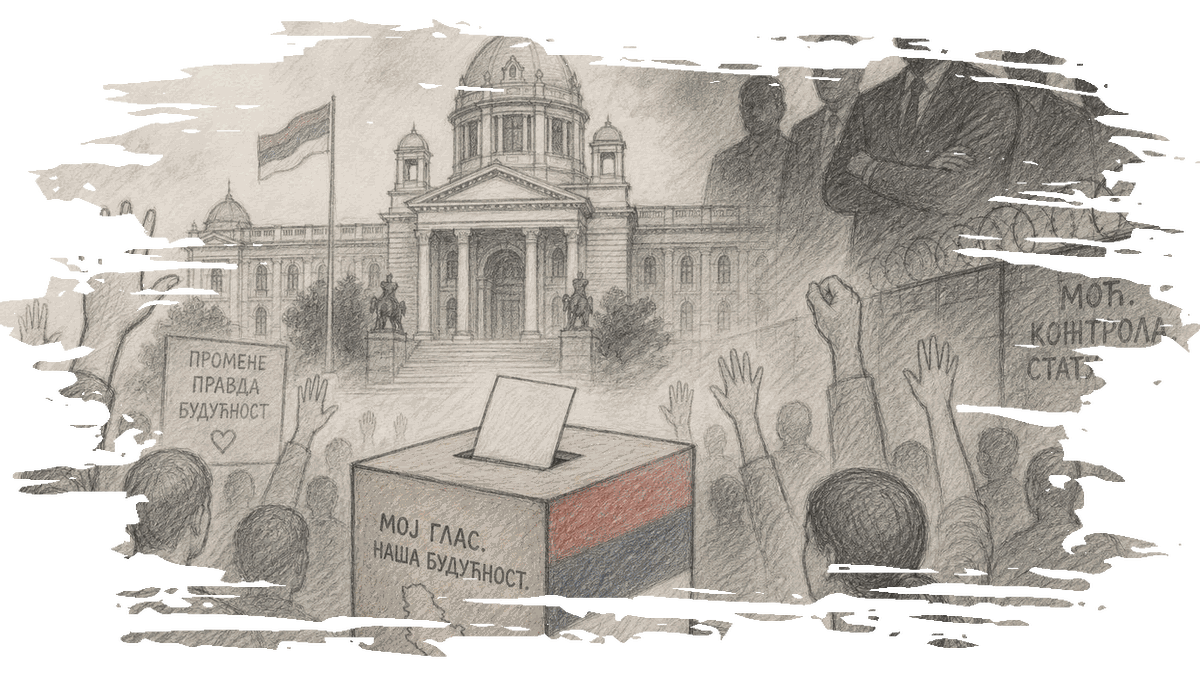
The recent parliamentary elections in Serbia have been positively assessed by the International Election Observation Mission (IEOM), according to a joint statement by EU High Representative for Foreign Affairs Kaja Kalas and European Commissioner for Enlargement Marta Kos. The elections, held on October 25, 2026, were noted for their efficient organization and the positive evaluation of the election day at the majority of polling stations. A record number of voters participated, signaling a strong mandate for change in the country.
The swift acknowledgment of the election results by the main participants was highlighted as a commitment to a smooth democratic process. This rapid acceptance is expected to facilitate an orderly transition and prompt formation of the parliament and government, enabling Serbia to address its key challenges. Kalas and Kos emphasized the EU’s readiness to closely cooperate with the new Serbian government, particularly in the areas of democratic criteria, judicial independence, and fundamental rights, including media freedom.
Despite the positive assessment of the election day, the IEOM pointed out several entrenched advantages for the ruling party, which included the misuse of state resources, media bias in favor of the ruling party, voter intimidation, and interference with pre-election activities. These issues have raised concerns about the electoral environment, which was also marred by reported incidents of physical violence.
The EU officials underscored the importance of reducing societal polarization to build trust among citizens and overcome divisions. They reiterated that fair and transparent elections, in line with international standards, are crucial for the functioning of democratic institutions and are necessary for Serbia to meet the criteria for EU membership. The statement called for substantial improvements and reforms in the electoral framework through an inclusive process involving all relevant stakeholders to genuinely implement the recommendations of the OSCE/ODIHR and the Council of Europe.
The EU’s assessment and its willingness to support reforms highlight the ongoing challenges in Serbia’s political landscape, particularly regarding electoral integrity and media independence. These reforms are seen as essential steps toward strengthening democracy and enhancing Serbia’s prospects for EU accession. The EU’s engagement with Serbia’s new government will likely focus on addressing these issues to ensure that future elections are conducted in a more equitable and transparent manner.



0 Comments