

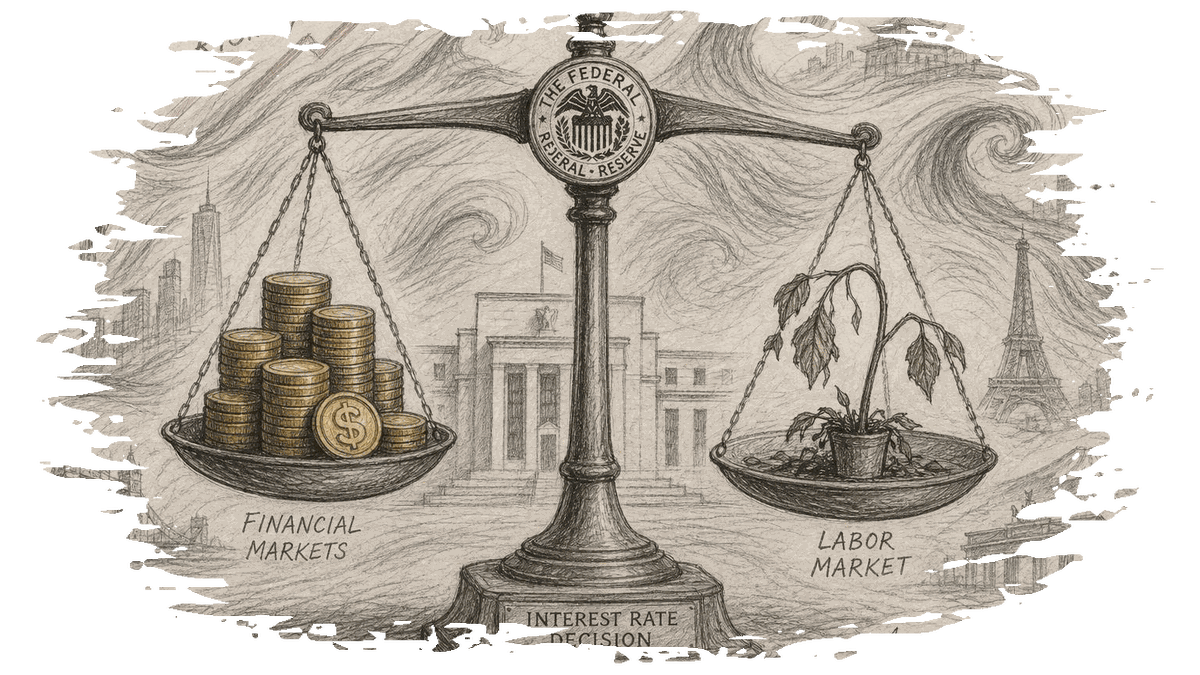
The Federal Reserve has decided to maintain its current interest rates despite ongoing concerns about inflation, a move that has sparked debate among economic experts. This decision comes as consumer prices in the United States have increased by 3.7% over the past year, with inflation indicators remaining significantly above the central bank’s target levels. The decision to hold rates steady was widely anticipated, as changes in interest rates are considered a blunt tool that can have substantial impacts on the economy if applied inappropriately.
Federal Reserve Chairman Kevin Warsh emphasized that interest rates permeate all sectors of the economy, highlighting the importance of cautious monetary policy. “Ensuring price stability and monitoring inflation doesn’t depend on a fixed calendar date or isolated data point,” Warsh stated, underscoring the Fed’s strategic approach to monetary policy. The decision to pause rate hikes allows the central bank to observe how previous increases affect the economy before making further adjustments.
However, the decision carries risks, as some experts warn of the potential for repeating past mistakes, notably those from 2021, when the Fed underestimated the severity of inflationary pressures. The concern is that by not addressing inflation aggressively now, the Fed might be forced into more drastic measures later, potentially destabilizing the economy.
The labor market also factored into the Fed’s decision. The U.S. economy added only 29,000 jobs in September, falling short of expectations. While the unemployment rate remains relatively low at 4.2%, the job market is described as fragile, characterized by minimal hiring and layoffs. The Fed is wary of increasing borrowing costs for companies, which could further strain employment.
Financial markets have reacted to the Fed’s previous rate hikes, with yields on U.S. government bonds reaching historic highs before stabilizing. These high yields mimic the effects of increased interest rates, providing a buffer that may have influenced the Fed’s decision to hold rates steady. The central bank is also cautious about surprising investors, preferring to maintain market stability.
The timing of the Fed’s decision coincides with upcoming elections, which some analysts suggest may have influenced the decision to avoid potential political backlash. Historically, the Fed has adjusted rates around election times, but the current decision reflects a desire to avoid such controversies.
The implications of the Fed’s decision extend beyond the U.S., potentially affecting global markets, including Serbia. As the U.S. economy navigates these inflationary challenges, the interconnectedness of global markets means that shifts in U.S. monetary policy can influence economic conditions worldwide. Serbian businesses and investors, for instance, might experience indirect effects through changes in global investment flows and currency valuations.
In Serbia, economic observers are closely monitoring these developments. The country’s economy, which has been experiencing growth driven by sectors like oil and automotive, could face challenges if global inflationary pressures persist. The Serbian banking sector, characterized by a strong preference for foreign currency savings, might also see shifts in depositor behavior in response to global economic trends.
As the Federal Reserve continues to balance its dual mandate of controlling inflation and supporting employment, its decisions will likely remain a focal point for international economic observers. The potential for future rate hikes in December adds another layer of complexity, as markets and policymakers brace for the Fed’s next move.



0 Comments