As Serbia approaches its upcoming elections, significant attention is being drawn to the legacy left by the current administration under President Aleksandar Vučić. This scrutiny is particularly heightened by an international arbitration case that could have substantial economic implications for the country. The arbitration tribunal, formed by the International Centre for Settlement of Investment Disputes (ICSID) in Washington, is set to determine whether Serbia violated a bilateral investment agreement with the Netherlands, following a claim by the Dutch multinational company Ahold Delhaize.
The arbitration case stems from a decision made by the Serbian government in August 2025 to impose limits on retail margins, a move that has been criticized as populist and economically damaging. The regulation, which was in effect until March 2026, was intended to curb prices and demonstrate the government’s commitment to protecting consumer standards. However, it has been argued that this measure adversely affected major retail chains, including Ahold Delhaize’s Serbian subsidiary, Delez Srbija, which reported significant financial losses as a result.

According to the claim filed by Ahold Delhaize, the regulation impacted over three-quarters of their product range, which accounted for more than four-fifths of their revenue. The company alleges that the enforcement of the regulation led to substantial losses, forcing them to close 25 stores and halt planned investments for 2026, resulting in the loss of hundreds of jobs in Serbia. The arbitration, led by Singaporean lawyer Kavinder Bul, will carefully examine the arguments and documents presented by both parties, a process that typically spans around three years.
The outcome of this arbitration case is pivotal, as it could potentially result in significant financial repercussions for Serbia. A ruling against the Serbian government may require compensation to Ahold Delhaize, which could exceed the benefits citizens gained from the temporary price freezes. This scenario underscores the broader economic challenges facing Serbia, including concerns about public debt, institutional integrity, and the overall economic management under the current administration.
The arbitration case is not an isolated issue but rather part of a larger narrative concerning the governance and economic strategy of Serbia. Critics argue that the current administration’s approach has led to a range of economic and political challenges, including high public debt, low productivity, widespread corruption, and a strained relationship with organized crime. Additionally, there are concerns about the erosion of institutional integrity, media freedom, and personal and entrepreneurial liberties.
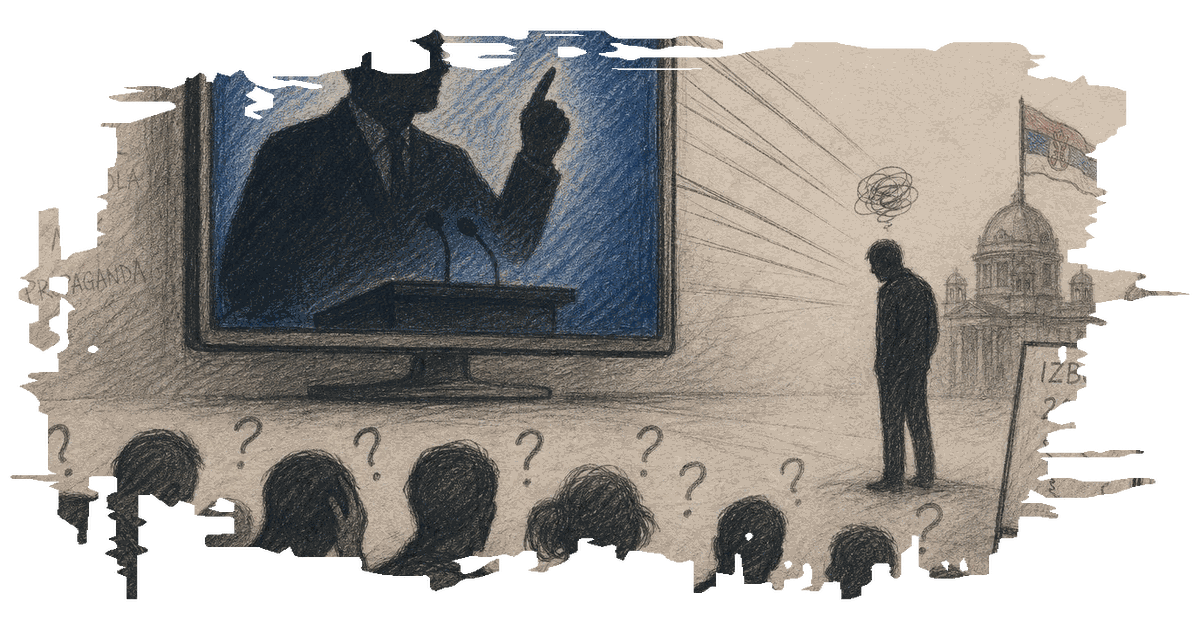
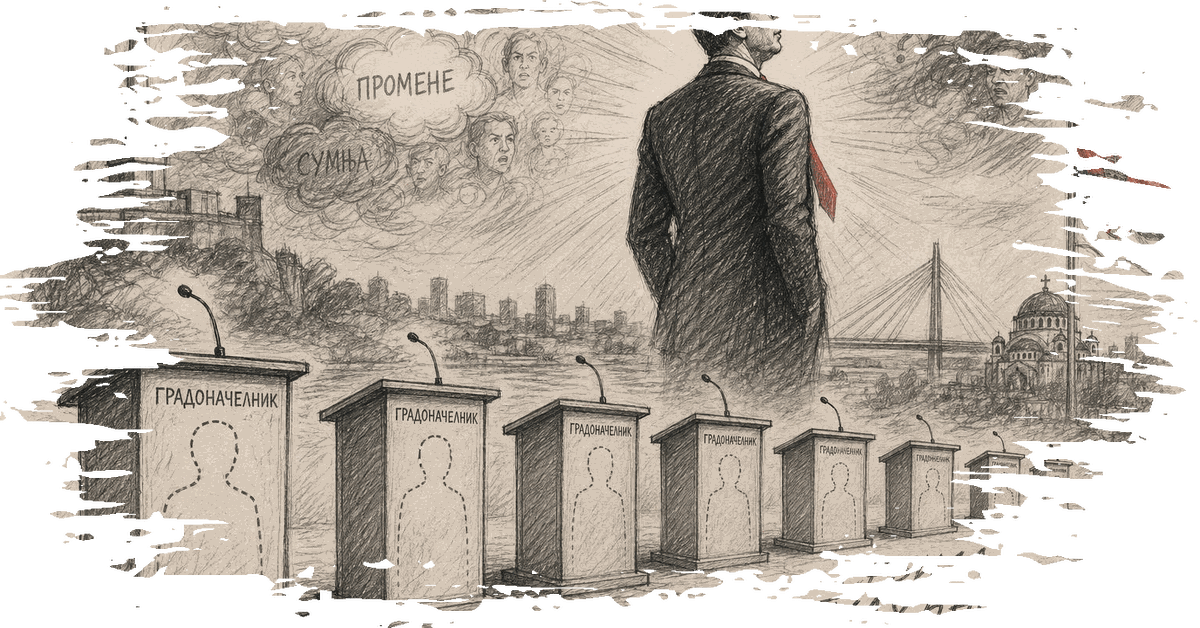
As the elections approach, these issues are expected to be at the forefront of public discourse. The potential change in leadership, with President Vučić’s announced plans to resign and call for elections, adds another layer of complexity to the situation. The new government will inherit the task of addressing these challenges and determining the appropriate measures to rectify the perceived mismanagement and corruption of the past administration.
The arbitration case and its implications highlight the intricate balance between economic policy and political strategy in Serbia. The outcome will not only affect the country’s economic landscape but also influence public perception and trust in governance. As the political climate evolves, the handling of such significant economic disputes will be a critical factor in shaping Serbia’s future trajectory.