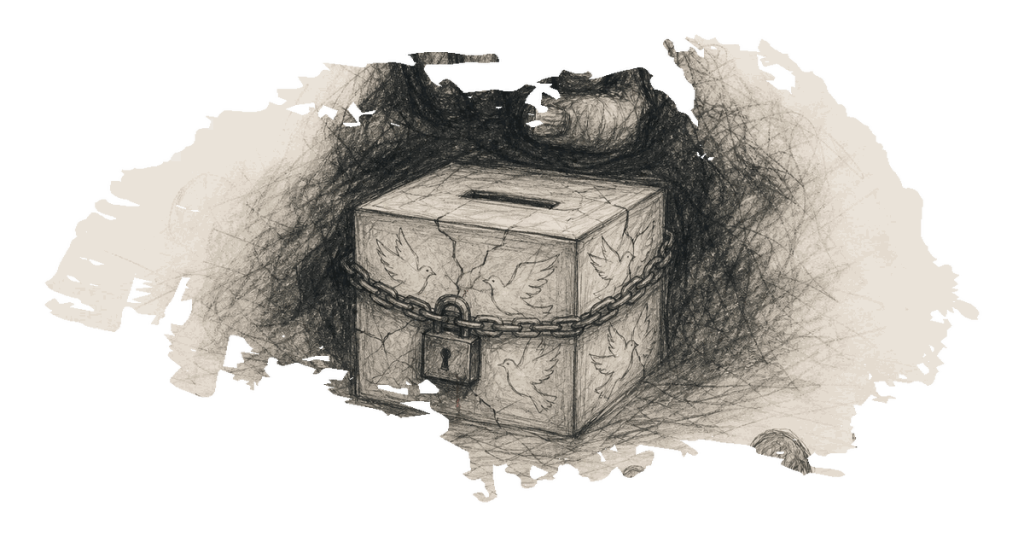
President Vladimir Putin’s United Russia party has secured a decisive victory in Russia’s recent parliamentary elections, achieving a supermajority with over 58 percent of the votes. This result, announced on Monday after a three-day voting period, reinforces Putin’s political dominance despite increasing unpopularity due to the ongoing conflict in Ukraine. The elections, which were the first since Russia’s 2022 invasion of Ukraine, were tightly controlled, with significant restrictions on opposition parties.
The high voter turnout, reported at nearly 60 percent, is likely to be interpreted by the Kremlin as a mandate supporting its actions in Ukraine. However, the legitimacy of this interpretation is contested, as the elections excluded genuine opposition and were held under conditions that critics argue did not allow for a fair democratic process. The only registered anti-war party, Yabloko, faced significant barriers, including removal from the national ballot by Russia’s Supreme Court. Although Yabloko managed to secure a position in the regional parliament of Novgorod, it did not win any national seats.

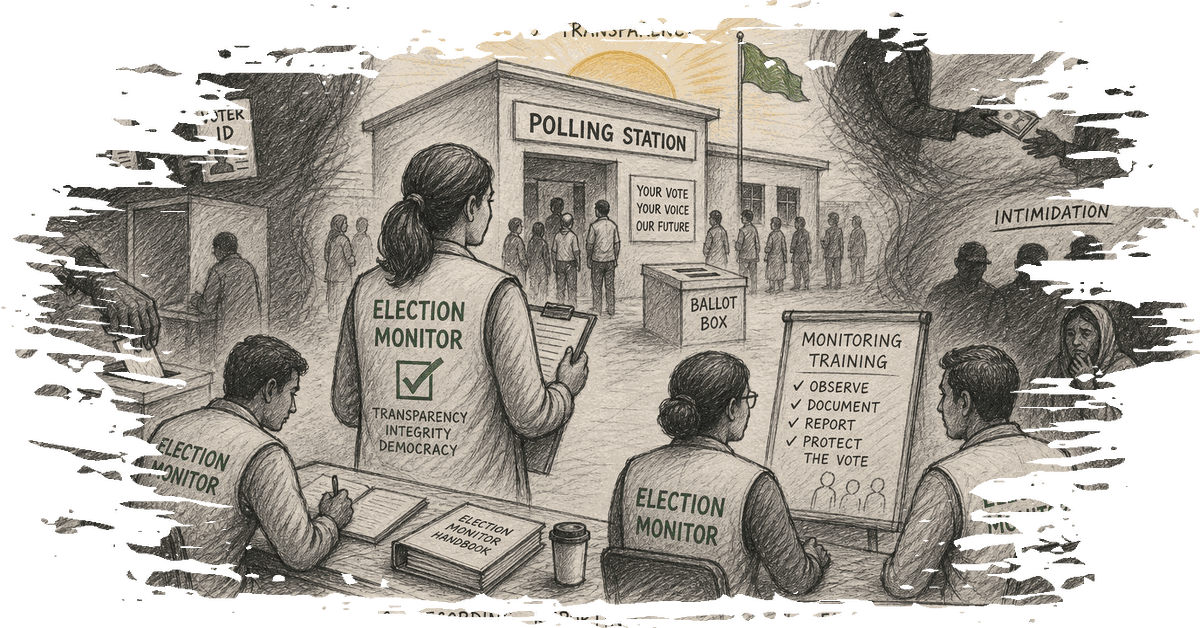
The absence of international observers, such as those from the Organization for Security and Cooperation in Europe (OSCE), further complicates the credibility of the election results. Russia’s decision to exclude these observers has been criticized as a violation of its commitments as an OSCE member. The OSCE’s Parliamentary Assembly President, Pere Joan Pons, condemned the exclusion, highlighting the lack of independent verification of the election process.
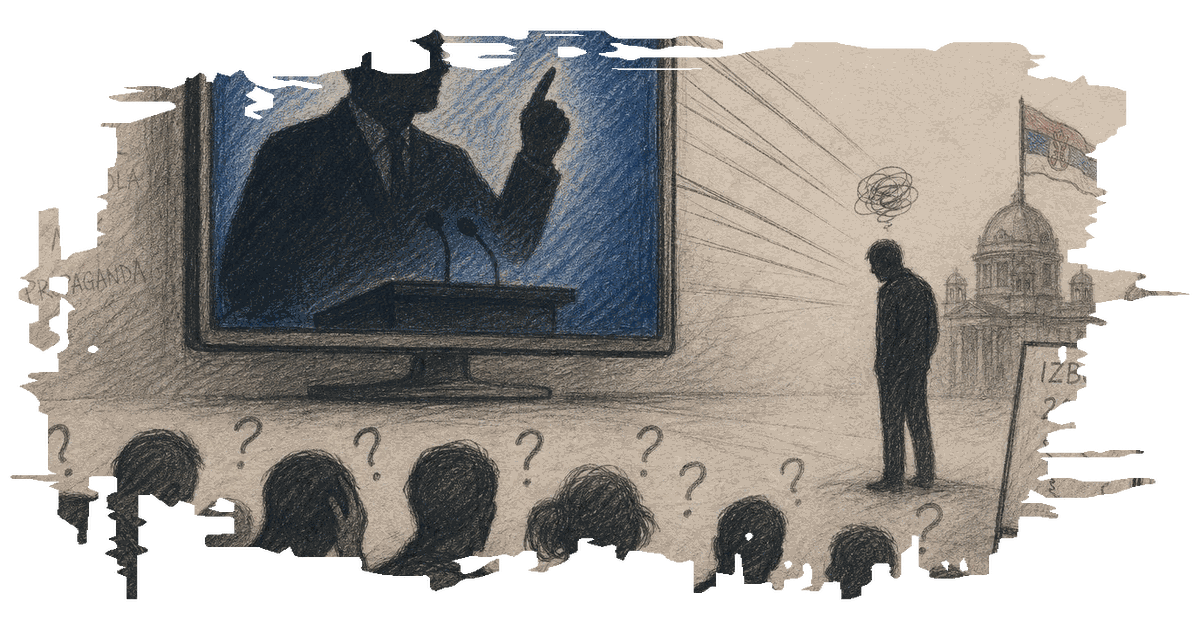
Public sentiment in Russia reflects a complex view of the election results and the ongoing war. Many Russians, like Moscow resident Tatyana, were unsurprised by United Russia’s victory, expressing a desire for the conflict in Ukraine to end through peaceful means. Despite the election results, there is a growing demand among the Russian populace for an end to the war, as noted by Tatyana Stanovaya of the Carnegie Russia Eurasia Center. She suggests that the election outcome will be used by Putin to claim public support for the war, although this may not reflect the true public opinion.
International reactions to the elections have been largely critical. The European Union’s top diplomat, Kaja Kallas, dismissed the elections as a façade of democracy, pointing to the suppression of dissent and the barring of anti-war political parties. A joint statement from five countries, including Australia, Britain, and Canada, condemned the elections in occupied Ukrainian territories as part of Russia’s broader occupation strategy.
The broader context of the elections is marked by ongoing military conflict in Ukraine, which continues to influence public sentiment and political dynamics within Russia. The war has led to significant casualties and destruction in Ukraine, with both countries engaged in long-range strikes. The conflict and its impact on Russian society remain central issues, as the election results may further entrench policies related to the war.
The implications of United Russia’s supermajority are significant for Putin’s regime, as it consolidates his power and potentially emboldens his administration to continue its current policies. However, the lack of genuine opposition and the controlled nature of the elections raise questions about the future of democracy in Russia and the potential for increased repression and mobilization as the war in Ukraine persists.