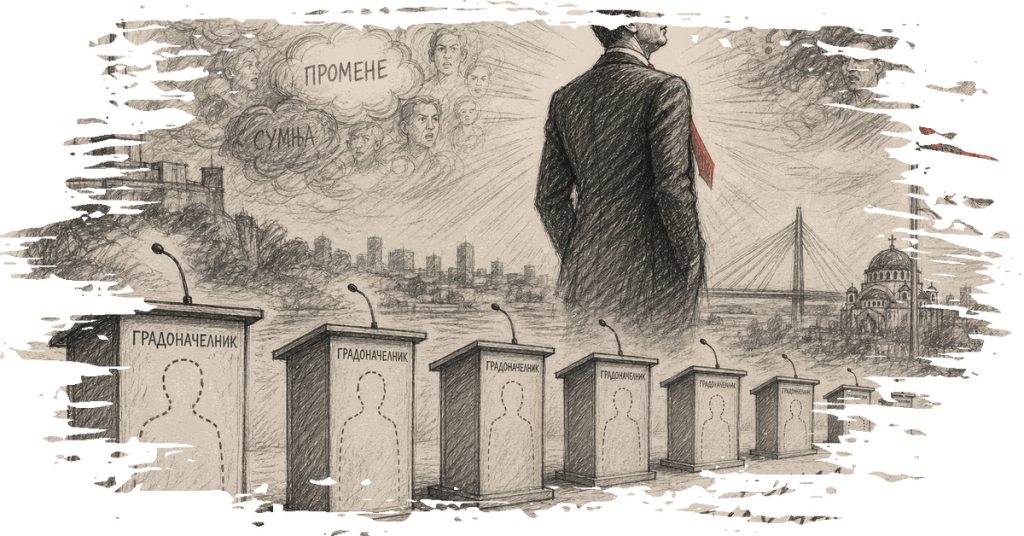
Serbian President Aleksandar Vučić has announced a significant shake-up in local governance should he assume the role of prime minister. Vučić stated that within three months of forming a new government, at least 50% of mayors and municipal presidents in Serbia will be replaced. This announcement comes as part of his broader strategy to address public dissatisfaction with local leadership, which he claims has been disconnected from the needs of their constituents. Vučić emphasized the necessity for courage and decisiveness in implementing these changes, highlighting his commitment to reform and responsiveness to public concerns.
Vučić, who is set to resign as president on September 27, 2026, after attending the United Nations General Assembly, reiterated his dedication to serving Serbia honorably. Despite facing criticism throughout his presidency, he expressed confidence in his integrity, stating that accusations against him were often unfounded or exaggerated. He anticipates that his potential political opponents will struggle to manage the country effectively, should they succeed in the upcoming elections.

The proposed overhaul of local leadership is part of Vučić’s campaign as he transitions from the presidency to pursue the position of prime minister. His resignation and subsequent campaign are strategically timed to influence the political landscape ahead of the parliamentary elections scheduled for October 25, 2026. Vučić’s plan to replace a significant portion of local leaders is seen as an effort to rejuvenate the Serbian Progressive Party’s (SNS) image and address criticisms of governance under his administration.
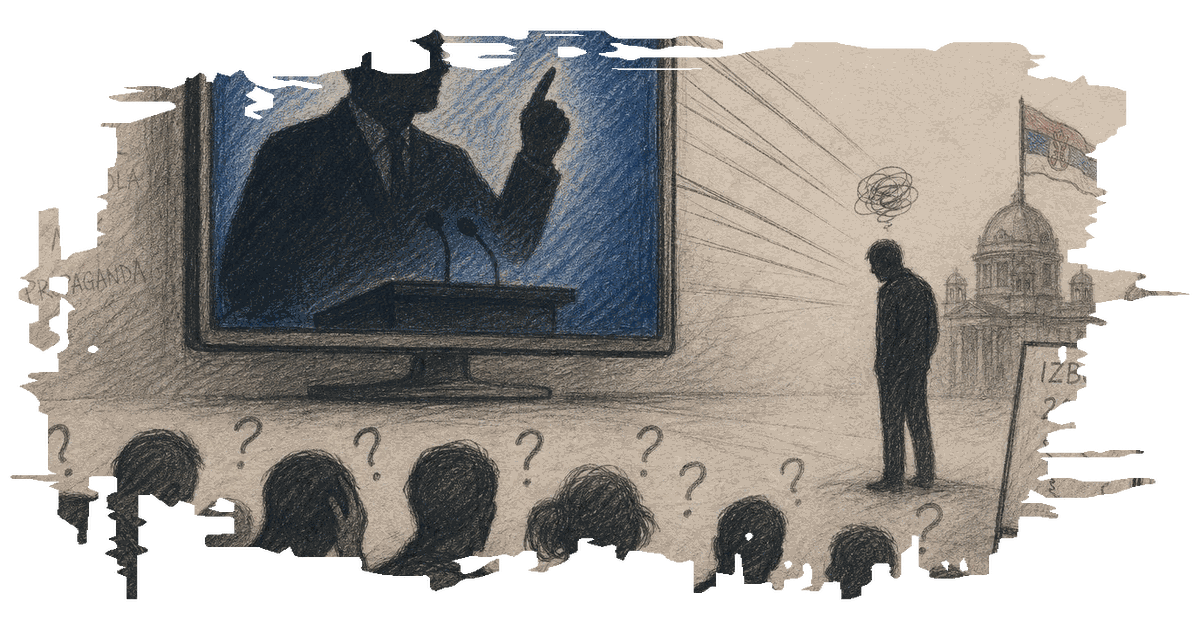
Political analysts and opposition figures have expressed skepticism about Vučić’s commitment to genuine reform. Critics argue that past promises of change have not always led to substantial improvements in governance. The effectiveness of the proposed changes remains uncertain, and public reception will likely depend on the implementation and tangible outcomes of these reforms.
Vučić’s strategy also involves reducing the size of the government to 12 ministers, reflecting his intent to streamline operations and enhance efficiency. This move aligns with his broader vision of a more responsive and accountable government that prioritizes the needs of Serbian citizens.
As the elections approach, the political climate in Serbia is marked by heightened activism and opposition movements. Vučić’s announcement of leadership changes is expected to play a crucial role in shaping voter sentiment and the overall electoral strategy of the SNS. The outcome of the elections will determine whether Vučić’s proposed reforms will be enacted and how they will impact local governance across Serbia.
The timing of Vučić’s resignation and the subsequent political developments are likely to influence public trust and engagement in the electoral process. The upcoming elections serve as a pivotal moment for Serbia, with potential implications for the country’s future governance and political stability.