Aleksandar Vulin, former Deputy Prime Minister of Serbia and current Chairman of the Supervisory Board of the state-owned gas company Srbijagas, accused NATO of attempting to influence the political landscape in Serbia. Speaking to the Russian news agency TASS, Vulin claimed that NATO aims to install a puppet government in Serbia that would prioritize NATO’s interests over national sovereignty. These remarks were made ahead of the International Economic Forum in St. Petersburg.
Vulin’s comments underscore ongoing tensions between Serbia and Western alliances, particularly NATO and the European Union. He alleged that Brussels has consistently sought to replace Serbian President Aleksandar Vučić with a weaker leader who would be more amenable to Western directives. “NATO is keen on seeing a weak government and a puppet president in Serbia, rather than an independent politician and Serbian leader,” Vulin stated. He further suggested that NATO’s ultimate goal is to destabilize Serbia to exert control and push the country towards a confrontational stance against Russia, including imposing sanctions.
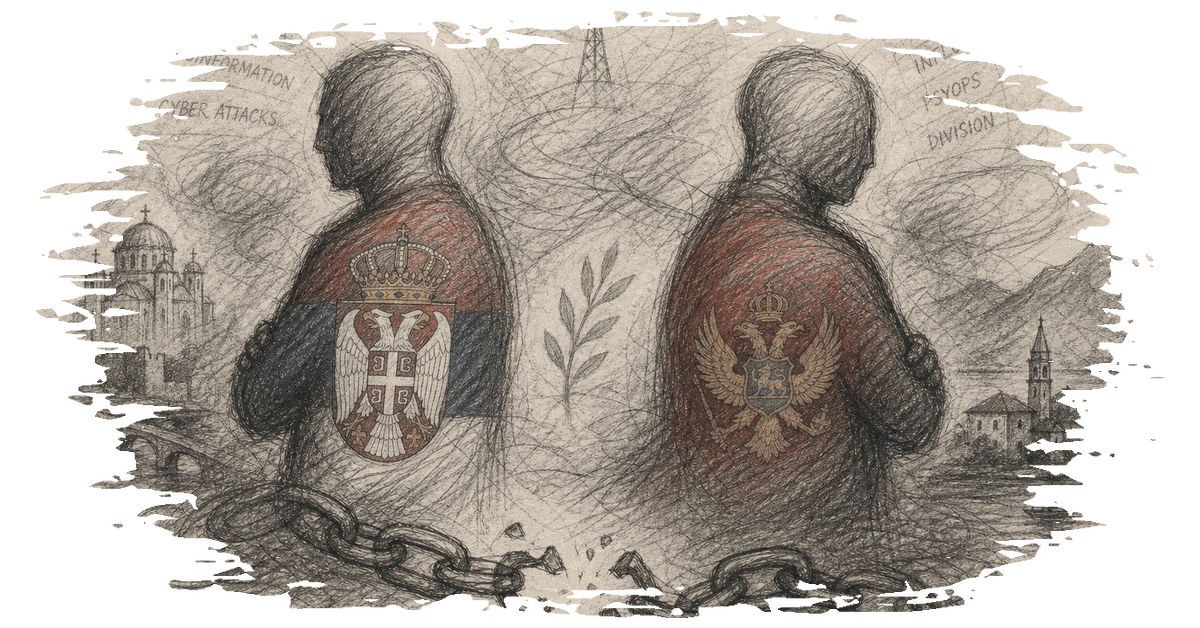
The backdrop to these assertions is Serbia’s complex geopolitical position. While Serbia is a candidate for EU membership and has significant economic ties with the bloc, it maintains a historically close relationship with Russia. This dual alignment creates friction, as Western powers often view Serbia’s ties with Russia with suspicion. Vulin’s remarks reflect a broader narrative within Serbian politics that portrays Western influence as a threat to national sovereignty.
The European Union, which has been offering substantial financial incentives for Serbia’s development, has been a significant economic partner, accounting for over 60% of Serbia’s trade. Despite this, Vulin’s comments highlight a persistent skepticism within certain Serbian political circles regarding EU and NATO intentions.
These developments occur at a time when Serbia is under pressure to align more closely with EU standards and values. The EU has proposed a substantial financial package for the Western Balkans, including 1.6 billion euros for infrastructure, energy, and digitalization projects. However, critics like Vulin argue that such incentives come with strings attached that could compromise Serbia’s autonomy.
The Serbian government’s balancing act between East and West is further complicated by its deepening ties with China. Recent moves to enhance cooperation with the Communist Party of China have drawn criticism from European advocates, who view this as a deviation from European integration. Đorđe Stanković, Vice President of the People’s Movement of Serbia, expressed concerns that Serbia’s growing relationship with China signifies a drift away from European values and standards.
Amidst these geopolitical dynamics, Serbia’s internal political scene remains contentious. The ruling Serbian Progressive Party, led by President Vučić, faces criticism for its perceived authoritarian tendencies and reluctance to fully embrace European democratic norms. This internal political climate, combined with external pressures, paints a complex picture of Serbia’s current and future trajectory on the international stage.
Vulin’s statements have sparked reactions both domestically and internationally, with some viewing them as a strategic move to solidify domestic support by framing Serbia as a nation under siege by foreign powers.