Serbia’s digital privacy protections lag significantly behind those of the European Union (EU), as companies like Meta enforce policies that do not meet EU standards. This disparity has reignited discussions about Serbia’s data protection laws and the challenges of defending digital rights against powerful global platforms.
In June 2024, Meta revised its privacy policy to develop a new artificial intelligence model using data from platforms like Instagram and Facebook. EU authorities reacted quickly, enforcing temporary halts and adjustments to ensure compliance with the General Data Protection Regulation (GDPR). EU users were allowed to object to their data being used, an option missing for Serbian users.
The revised policy also affected Serbia and other Western Balkan countries, covering various types of user data, including public posts, likes, comments, geolocation, device information, and interactions. Unlike in the EU, Serbian users were not notified of these changes beforehand. This lack of communication undermined principles of fair and transparent data processing central to Serbia’s GDPR-modeled legislation.
Despite similar legal frameworks, enforcement in Serbia is weak. Limited oversight and lower penalties allow platforms to exploit user data more freely. The Commissioner for Information of Public Importance and Personal Data Protection in Serbia has engaged in talks with Meta and other tech firms for local representation and equal treatment for Serbian citizens. Collaborative efforts with Bosnia and Herzegovina and Montenegro aim to address the region’s marginalized position on the global digital stage.
However, these initiatives have yet to yield significant change. Large companies often cite regulatory gaps and institutional weaknesses as reasons for not adhering to digital rights standards. The Western Balkans’ smaller market size discourages investment in compliance or collaboration with local oversight bodies. In contrast, Africa and Latin America have successfully pressured major companies due to their larger user bases.
There is growing international focus on holding digital platforms accountable, particularly from European regulators. Yet Serbia struggles with effectively implementing existing legislation. This is concerning given that the digital space remains a vital source of information and democratic engagement for Serbian citizens. Proposed reforms, such as amendments to the Criminal Code and Law on Public Order and Peace, do little to inspire confidence in advancing digital rights.
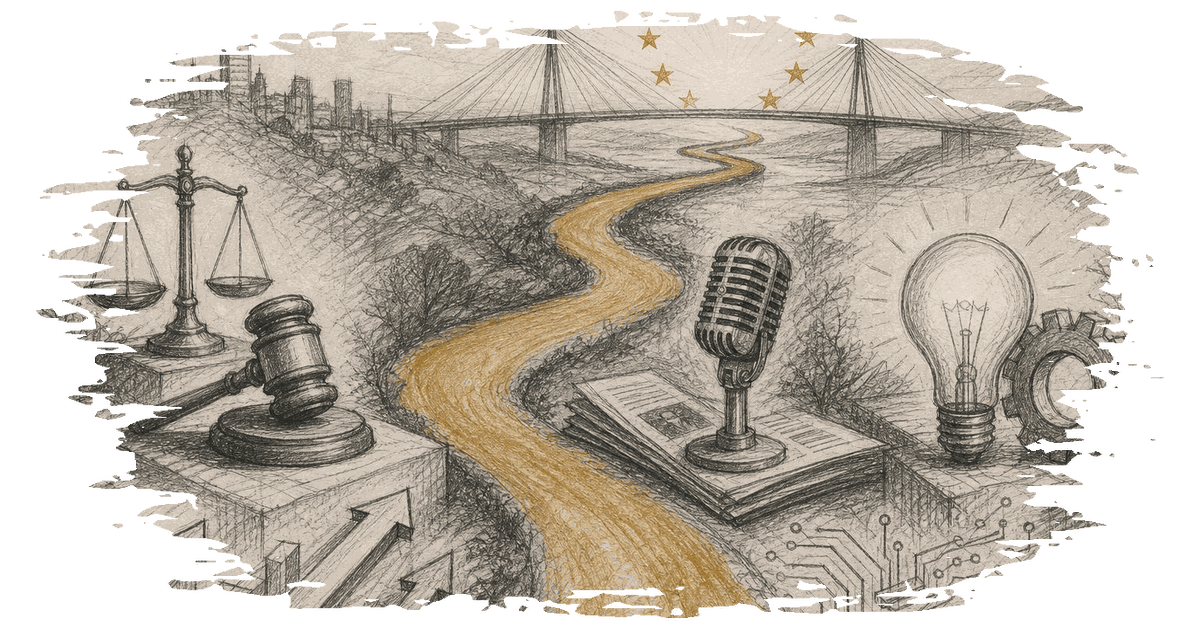
One potential solution is accelerating the integration of the Western Balkans into the EU’s single digital market. While full EU membership may be distant for some countries, joining this market could provide Serbian citizens with not just nominally equal rights but also effective protections.