

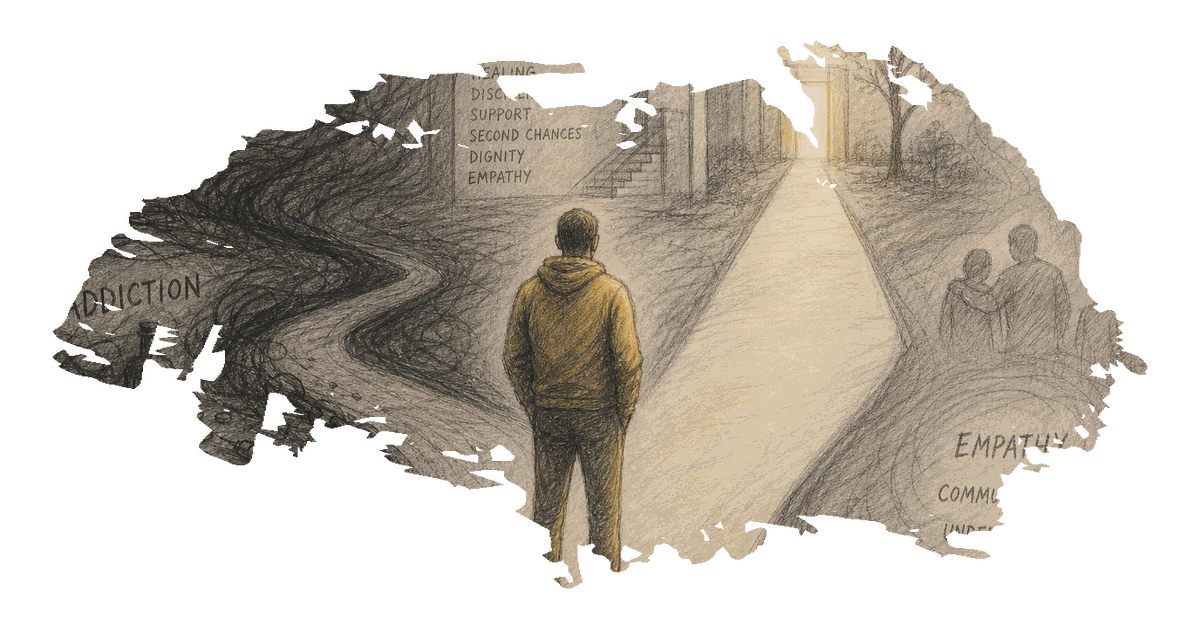
Vučić Perović, a Serbian actor, has been awarded the Golden Mimosa for Best Male Role at the 39th Herceg Novi Film Festival for his performance in “Oče naš,” directed by Goran Stanković. In the film, Perović portrays Dejan, a character grappling with addiction, a role that has provided him with a deeper understanding of the complexities surrounding addiction issues. In an interview with Blic, Perović emphasized the importance of empathy and understanding towards individuals dealing with addiction, rather than passing judgment.
Perović’s portrayal of Dejan, a man navigating the challenges of addiction and seeking redemption, was praised by the festival jury for his ability to convey the nuanced struggles of a “lost man walking a fine line on the path to healing.” The actor shared that working on the film allowed him to gain insights into the lives of those affected by addiction, highlighting the need for a compassionate approach to addressing such societal issues.

The film “Oče naš” explores themes of addiction and redemption, set against the backdrop of a rehabilitation center where Dejan undergoes significant personal transformation. Perović described his character as someone who, with the support of family, enters a rehabilitation center and emerges as a changed individual. He noted that the role required him to delve into emotions and scenarios far removed from his personal experiences, which he found both challenging and enlightening.
Perović’s involvement in the project began in 2021 when he was approached by director Goran Stanković to participate in his first auteur film. The actor was drawn to the project not only because of the opportunity to work with Stanković but also due to the film’s exploration of addiction—a topic he felt was crucial to understand before passing judgment. Perović expressed that the experience of playing Dejan taught him to empathize with the struggles faced by those battling addiction, a perspective he believes is essential for fostering a more understanding society.
During the interview, Perović also reflected on the broader implications of the film’s narrative, suggesting that it raises important questions about the use and abuse of power and the need for personal accountability. He noted that the film prompts viewers to consider their own boundaries regarding acceptable behavior and the consequences of unchecked power.
The Herceg Novi Film Festival, known for showcasing significant regional cinema, provided a platform for “Oče naš” to address cultural and societal issues through its storytelling. The festival has a history of highlighting films that engage with pressing social themes, and Perović’s award-winning performance underscores the film’s impact in sparking discussions on addiction and empathy.
Perović’s career, marked by a preference for auteur projects and stage performances, reflects his commitment to roles that challenge both himself and the audience. He expressed a preference for projects that allow for creative exploration and personal growth, as evidenced by his recent work on the television series “Advokatice.” In this series, he plays a young lawyer, a role that contrasts with his character in “Oče naš” but continues to offer opportunities for artistic expression.
As “Oče naš” continues to resonate with audiences, Perović hopes that the film will encourage more open dialogues about addiction and the importance of understanding the human experiences behind such struggles. His portrayal of Dejan not only earned him critical acclaim but also highlighted the transformative power of empathy in addressing complex social issues.




0 Comments