In Serbia, the political landscape is witnessing a notable shift as civic activism gains momentum, particularly among students. This development comes amid ongoing challenges faced by the opposition in effectively contesting the ruling regime of President Aleksandar Vučić. An article by Bratislav Braca Marković, published in Danas, reflects on these dynamics, offering insights into the evolving political climate.
Marković, an opposition activist, recounts his experiences in attempting to counter Vučić’s regime. He describes the struggle as both honorable and arduous, noting the limited success in challenging the government’s stronghold. Despite these difficulties, recent events indicate a resurgence of public engagement, primarily driven by student activism. This surge in civic participation follows a tragic incident in Novi Sad, which Marković attributes to government corruption and incompetence, serving as a catalyst for public awakening.

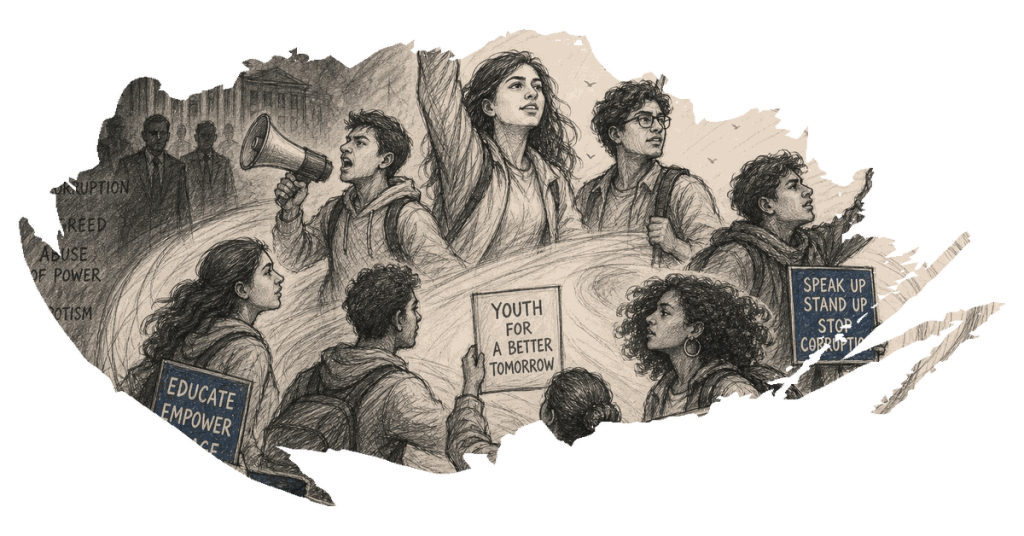
The article highlights the significant role students have played in mobilizing citizens across Serbia. Their efforts have resonated not only within the country but also garnered admiration from Europe and the broader democratic world. Marković emphasizes the sincerity and dedication of these young activists, who have inspired long queues of citizens eager to support the student-led initiatives. He describes waiting for hours with his son in Vračar to sign a petition supporting the students’ cause, a testament to the widespread public enthusiasm.
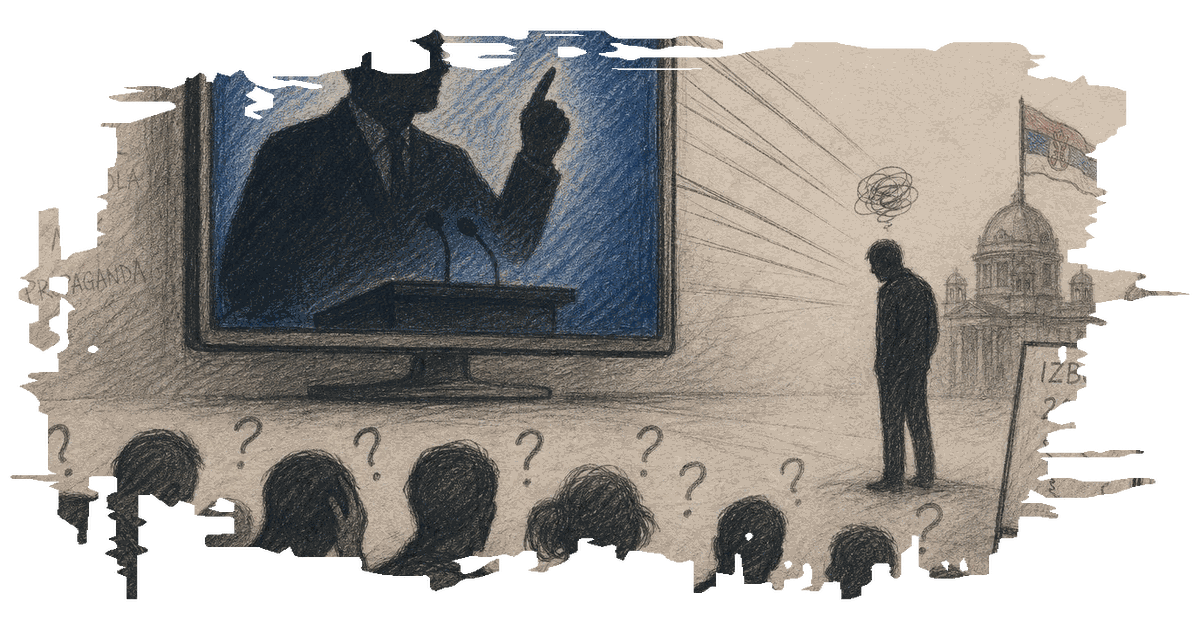
This grassroots movement contrasts sharply with the traditional opposition’s struggles. Marković points out that many former opposition figures have shifted allegiances, some even aligning with Vučić’s regime. This has led to disillusionment among dedicated activists who have faced harsh conditions during protests, often feeling abandoned and confused by the political maneuverings of their leaders.
The article also questions the legitimacy of the ruling coalition’s claim to have gathered an improbable number of signatures in support of their list, suggesting procedural discrepancies. Marković argues that the student-led movement’s support is genuine, in stark contrast to the alleged fabrication of support for the regime.
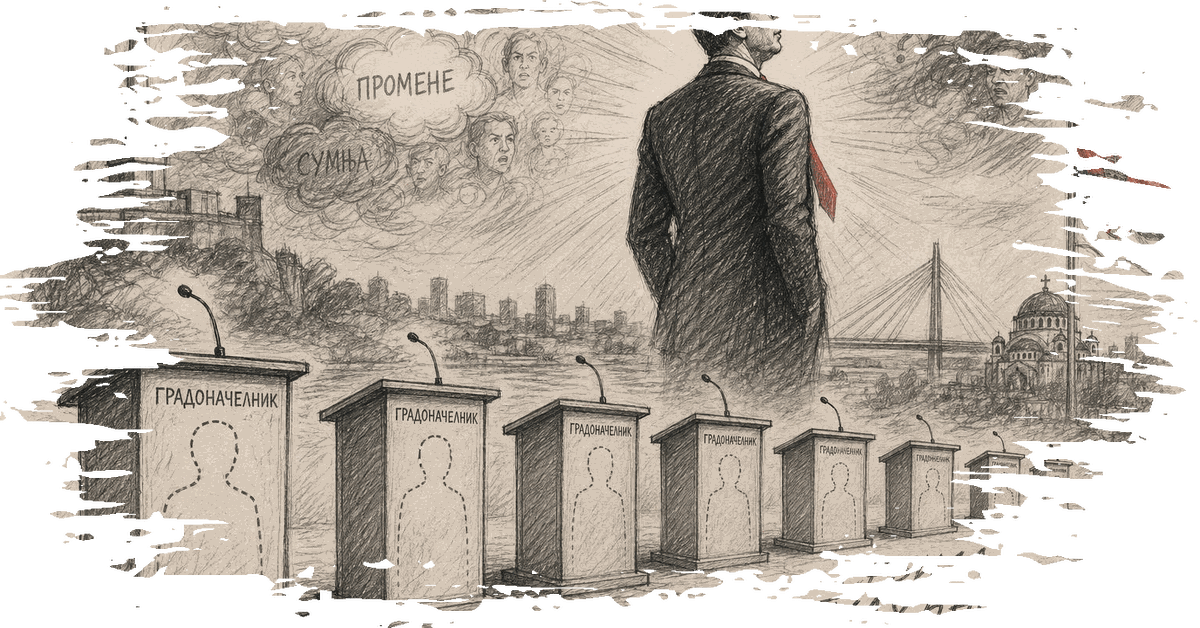
In response to this burgeoning civic activism, almost all relevant opposition parties have thrown their support behind the students’ list. Marković notes that those who fail to do so risk falling below the electoral threshold, a situation he describes as a referendum-like atmosphere. He suggests that genuine change requires making difficult decisions, implying that some opposition parties may not be sincere or intelligent enough to navigate this political landscape effectively.
The rise of student activism in Serbia signifies a potential shift in the political dynamics, challenging the status quo and providing a new avenue for public engagement. While the opposition has historically struggled to mount a serious challenge to Vučić’s regime, the energy and commitment of the students offer a fresh perspective on the possibilities for political change in the country.