Branko Ružić, a prominent figure within the Socialist Party of Serbia (SPS), is facing the possibility of expulsion from the party, a decision that has been postponed multiple times due to difficulties in convening all members of the Statutory Commission. The meeting to deliberate on Ružić’s status is now scheduled for this Saturday, as reported by Blic. The potential expulsion stems from Ružić’s public criticisms of the SPS and its coalition partner, the Serbian Progressive Party (SNS), which have reportedly strained relations within the coalition.
Ružić, who has been a long-standing member of the SPS and has held various ministerial roles since 2001, has a history of acting as a critic of the party while simultaneously holding governmental positions. His criticisms have been seen as particularly provocative given his high-ranking status within the party. According to a source within the SPS, party leader Ivica Dačić has acknowledged that Ružić’s actions are no longer tenable, as they jeopardize both the party’s future and its coalition with the SNS.

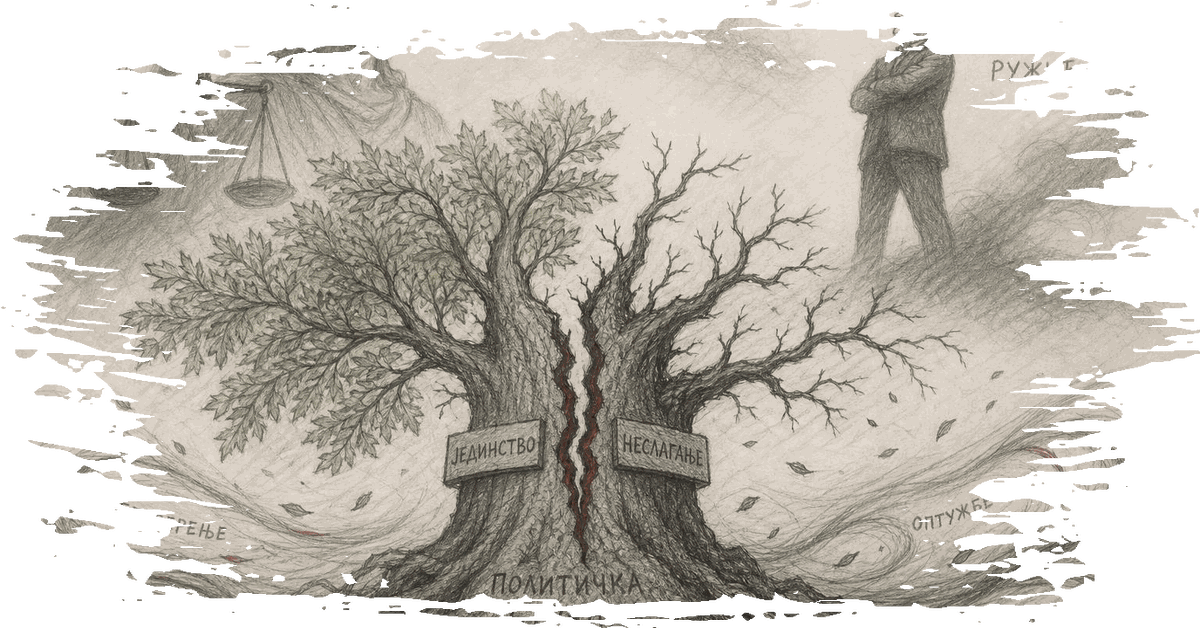
The decision to potentially expel Ružić highlights significant internal conflicts within the SPS. While Ružić has previously managed to secure ministerial positions despite his critiques, the current situation appears more precarious. Dačić, who has previously tolerated Ružić’s dissenting views, now seems to recognize the need for decisive action to maintain party cohesion and coalition stability.
The upcoming meeting of the Statutory Commission, followed by a session of the party’s presidency, will be crucial in determining Ružić’s political future within the SPS. The decision is not straightforward, as opinions within the party vary. Some members believe that Ružić’s expulsion should have occurred earlier, arguing that his actions have been clear in their intent to disrupt party unity. Others, however, note that Ružić does not have substantial support within the party, which may mitigate fears of a significant split.
Ružić’s political career has been marked by his longevity as a parliamentarian and his ability to navigate the complexities of Serbian politics. Despite his public criticisms, his parliamentary record shows limited engagement, with only two speeches recorded. This contrast between his public persona and parliamentary activity raises questions about his motivations and the impact of his actions on the party.
The potential expulsion of Ružić comes at a sensitive time for the SPS, as the party prepares for upcoming elections. The decision to remove a high-ranking official could have implications for the party’s electoral strategy and its relationship with the SNS. The internal dynamics of the SPS and its coalition with the SNS are complex, with Ružić’s criticisms reflecting broader tensions within the coalition.
As the SPS navigates these challenges, the outcome of the Statutory Commission meeting will be closely watched. It will not only determine Ružić’s future within the party but also signal how the SPS intends to manage dissent and maintain its coalition with the SNS. The decision will likely have repercussions for the party’s strategy and its position within Serbian politics.