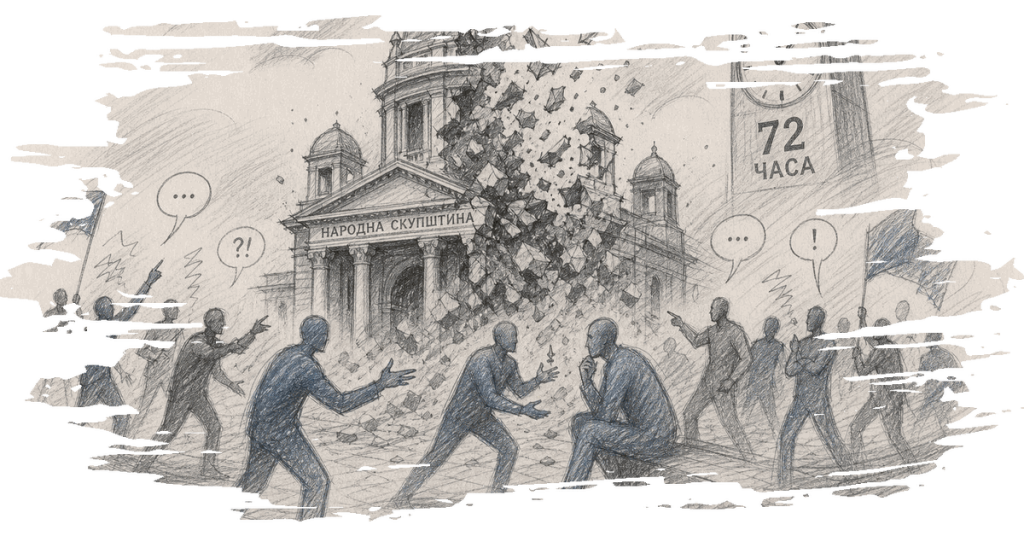
Serbian Premier Đuro Macut has proposed the dissolution of the National Assembly and the scheduling of parliamentary elections, a move that signifies a major political development in the country. The proposal was adopted by the Serbian government and sent to President Aleksandar Vučić, who is required by law to respond within 72 hours. According to the Serbian Constitution and the Law on the President of the Republic, Vučić must either issue a decree to dissolve the assembly and call for elections or inform the government and the public if he decides not to accept the proposal.
The timeline for the elections is also constitutionally defined. Elections must occur within 60 days following the dissolution of the National Assembly, with a campaign period lasting no less than 45 days. The Serbian government has emphasized that elections are not a sign of weakness but rather a testament to the strength of the country’s democracy, as stated by Premier Macut during a government session.

Macut articulated that the elections are an opportunity to reinforce institutions, reduce political tensions, and transition political discourse from the streets back into formal institutions. He assured that the current government would continue to perform its duties with the same level of responsibility and energy until a new government is elected.
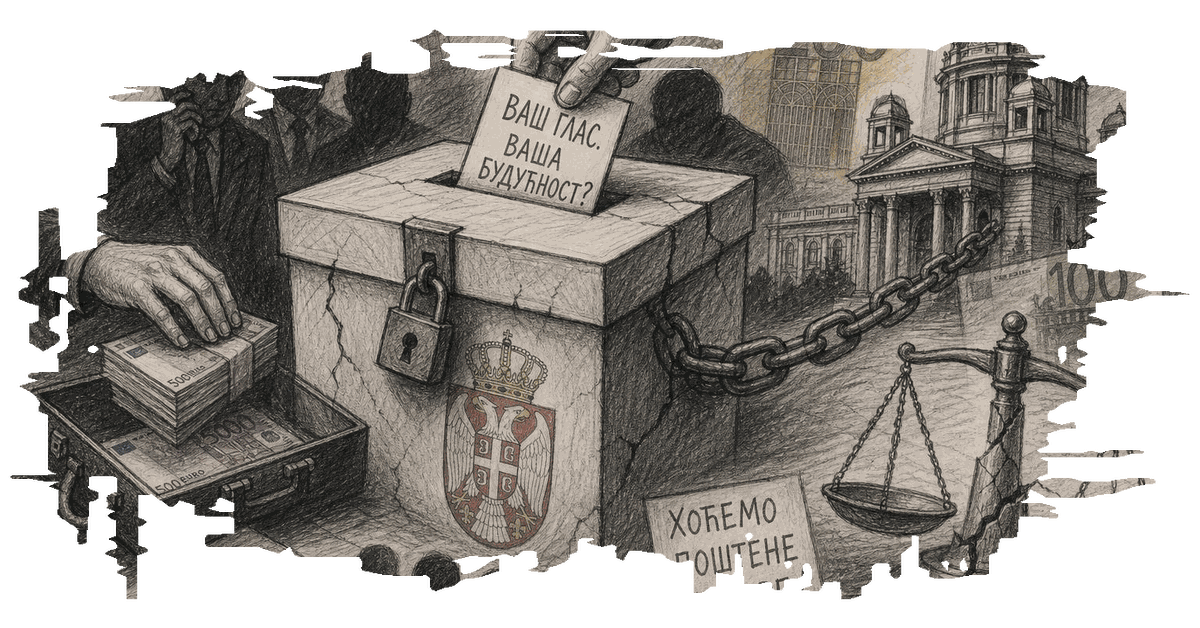
The proposal comes amid ongoing political tensions in Serbia, where there have been calls for unity among opposition parties. The political landscape has been fraught with debate over the necessity and timing of elections, with speculation about the political climate leading up to the elections.
President Vučić has previously indicated that elections could be held on October 18 or 25, with a formal announcement expected by September 9 or 10. The current National Assembly, consisting of 250 deputies elected for a four-year term, was constituted on February 6, 2024, following elections held on December 17, 2023.
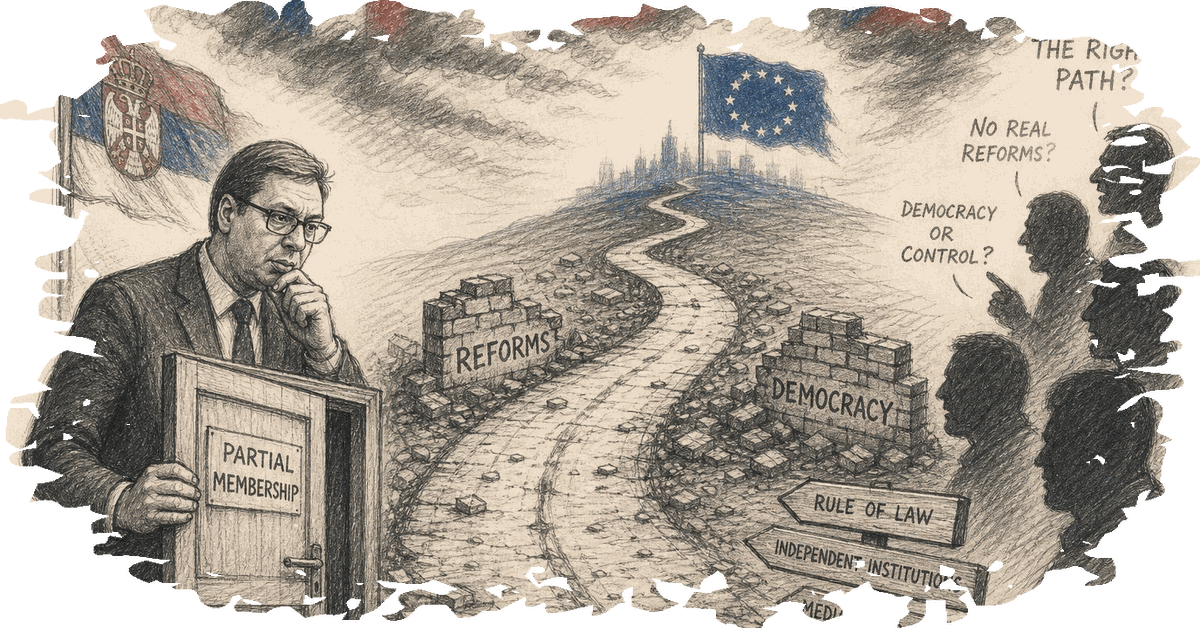
The dissolution of the assembly and the scheduling of elections are seen as a strategic move by the government to consolidate its position and address ongoing political challenges. The proposal’s acceptance by President Vučić remains uncertain, and there is potential for political maneuvering that could affect the election timeline.
The decision to propose dissolution and elections is part of a broader narrative by the government to portray itself as a robust democracy that trusts its citizens. Premier Macut emphasized the importance of maintaining responsibility to the state beyond the current government’s mandate and expressed confidence that the path set by his administration would be continued in the future.
As the situation develops, reactions from opposition parties and civil society will likely play a crucial role in shaping the political discourse. The legal framework surrounding the dissolution and election process is clear, but the public’s response to the proposed elections and the government’s narrative may influence the political dynamics in Serbia.
The upcoming parliamentary elections are poised to be a significant event in Serbia’s political calendar, with the potential to impact the country’s governance and political stability. The outcome of President Vučić’s decision on the proposal will be closely watched, as it will determine the next steps in the electoral process and the future direction of Serbian politics.