Serbian President Aleksandar Vučić has expressed skepticism about the possibility of the European Union (EU) expanding in the near future, suggesting instead that Serbia should pursue a form of partial membership in the EU’s common market and Schengen area. Vučić’s remarks come amid ongoing discussions about Serbia’s path to EU membership, a topic that has been fraught with both internal and external challenges.
Vučić has repeatedly stated his belief that the EU will not be making decisions on enlargement for several years. During a gathering of parliamentary presidents from EU candidate countries in Belgrade, he remarked, “I do not think that the EU will be able to make decisions on enlargement in the next few years.” Despite this, he emphasized the importance of Serbia continuing its European path and implementing necessary reforms.
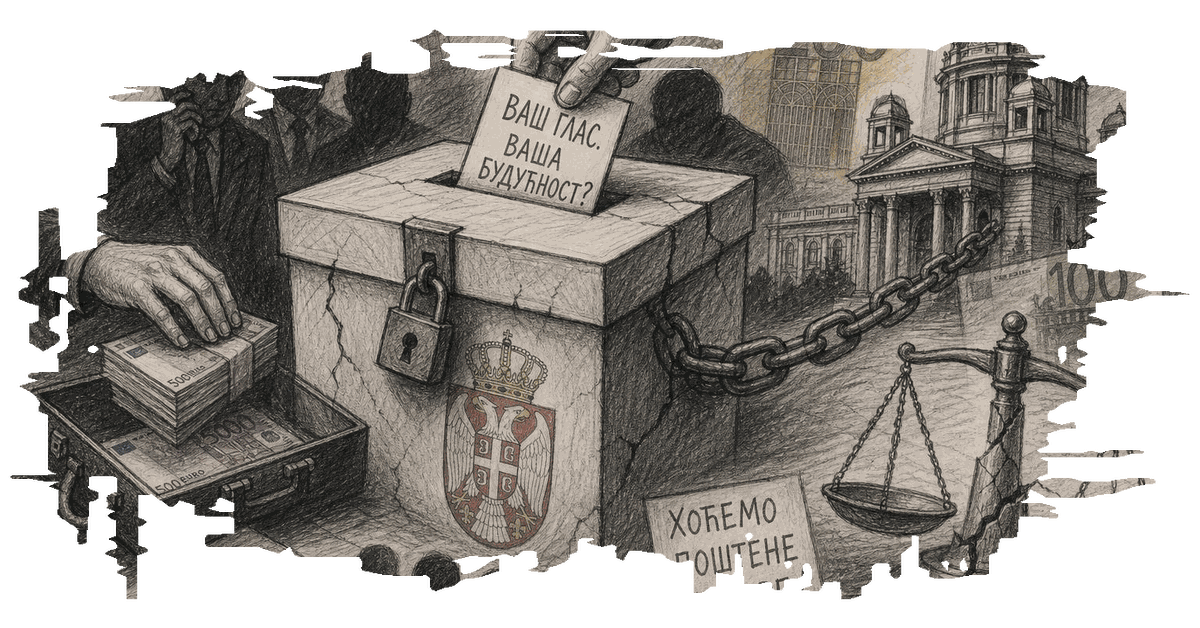
The idea of partial membership, which would involve integration into the common market and Schengen without full EU membership, has been met with mixed reactions. In Podgorica, the suggestion has raised concerns, reflecting the delicate balance of expectations among EU candidate countries. Vučić’s critics, however, argue that his administration is not genuinely committed to EU integration, accusing it of undermining democracy and the separation of powers in Serbia.
European Commissioner for Enlargement Marta Kos has also weighed in on the matter, indicating that the upcoming autumn will focus on preparing candidate countries for EU membership. However, she warned of mechanisms that could delay full membership for years, suggesting a phased approach to integration. Kos has previously mentioned that new member states could be under scrutiny for five to fifteen years, during which their membership could be revoked if they fail to adhere to the rule of law.
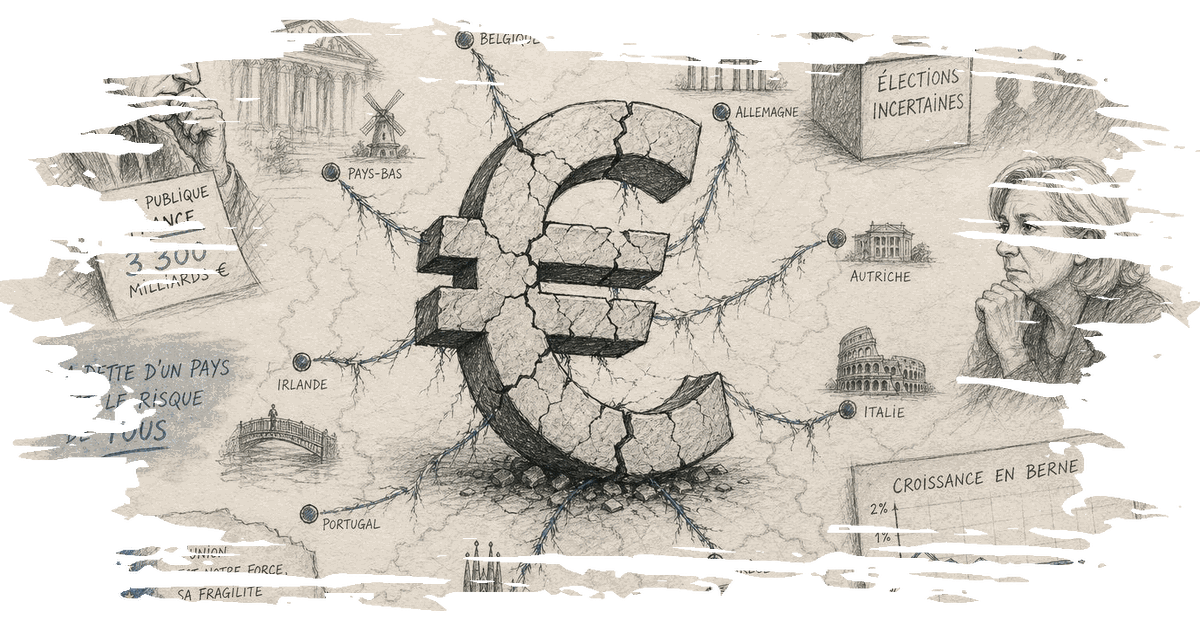
The prospect of partial membership is further complicated by the political climate within the EU itself. According to Tim Judah, a Balkan expert writing for The Economist, France poses a significant hurdle due to its stringent requirements for accepting new EU members, including a referendum or a two-thirds majority in both houses of parliament. Current sentiment in France is largely against expansion, with only 8% strongly supporting it, as per a Eurobarometer survey.
The situation is similarly challenging in other EU countries, such as Austria and the Czech Republic, where opposition to enlargement is strong. In Germany, public opinion is nearly split on the issue. The rise of right-wing parties across Europe, like the Alternative for Germany, which advocates for “privileged partnerships” rather than EU expansion, further complicates the enlargement process.
Vučić and Albanian Prime Minister Edi Rama have previously expressed support for accelerated integration of prepared candidate countries into the common market and Schengen, arguing that it would benefit citizens and strengthen the EU’s economic and geopolitical position without disrupting its decision-making architecture. However, the EU has yet to establish a framework for such “partial membership,” and negotiations on this front are expected to take years.
Critics of Vučić remain skeptical about his intentions, suggesting that his calls for partial membership may be a way to placate domestic audiences without making the necessary reforms for full EU integration. The ongoing glorification of controversial figures like Ratko Mladić, who was convicted of war crimes, has also raised concerns about Serbia’s alignment with EU values.
As the debate over Serbia’s EU membership continues, the country’s political landscape remains divided. Opposition leaders have accused Vučić of using the EU membership issue as a political tool while failing to address the democratic and governance reforms required for accession. The outcome of these discussions will have significant implications for Serbia’s future relations with the EU and its broader geopolitical alignment.