

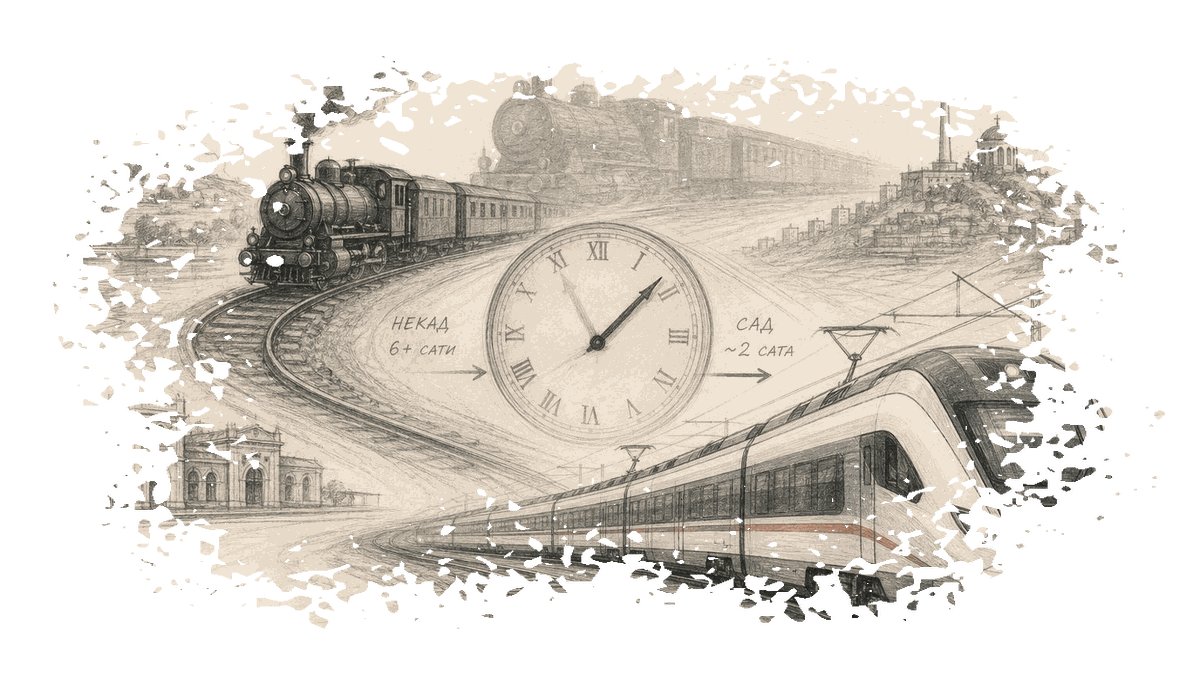
A train journey from Belgrade to Niš currently takes approximately six hours and 36 minutes, according to recent reports. This duration is notably longer than what might be expected for the distance, sparking comparisons to travel times from the 19th century when the first passenger train service between these cities began on September 3, 1884. At that time, the journey could take up to 12 hours, although a faster service reduced this to just over seven hours.
Today, the route is serviced by three regional trains and one interregional train daily. The interregional train is slightly quicker, reducing the travel time by about an hour compared to the regional services. Despite the improvements in travel time since the 19th century, the current duration of the journey remains a topic of discussion, especially considering the advancements in train technology and infrastructure elsewhere.

The trains operating on this route today are modern low-floor electric trains, equipped with amenities such as air conditioning and proper lighting, which mark a significant upgrade from the older models. However, these modern conveniences come at the cost of nostalgia for some, as the new trains lack features like openable windows, which were common in older train models.
The modernization of the railway system between Belgrade and Niš is anticipated, with plans to significantly increase the speed of travel. The goal is to make train travel more popular and efficient, akin to the modern rail connections to Novi Sad and Subotica. This modernization effort is expected to triple the current travel speeds, although specific details and timelines for these upgrades have not been disclosed.
The historical context of the Belgrade-Niš railway is significant. The railway was part of Serbia’s commitments following the Berlin Congress in 1878, which granted the country independence. The construction of the railway was completed swiftly despite financial difficulties, with the first line connecting Pest, Belgrade, and Niš. This development was crucial for Serbia’s integration into the broader Austro-Hungarian railway network.
The current state of the railway and the ongoing discussions about its modernization reflect broader themes in Serbia’s transportation infrastructure development. The potential improvements in travel times and the quality of service could have significant implications for commuters and the overall attractiveness of train travel in the region. However, the specifics of these modernization plans, including funding, timelines, and the extent of the upgrades, remain to be clarified by the relevant authorities.




0 Comments