The Serbian government has unveiled a series of measures aimed at supporting families and increasing the birth rate, particularly in regions showing high natality rates. This initiative comes as part of a broader effort to address demographic challenges in the country. The government has identified urban centers such as Belgrade and Novi Sad as having the highest number of births. In contrast, the Raški district, encompassing cities like Novi Pazar, Tutin, and Sjenica, boasts the highest birth rate relative to its population.
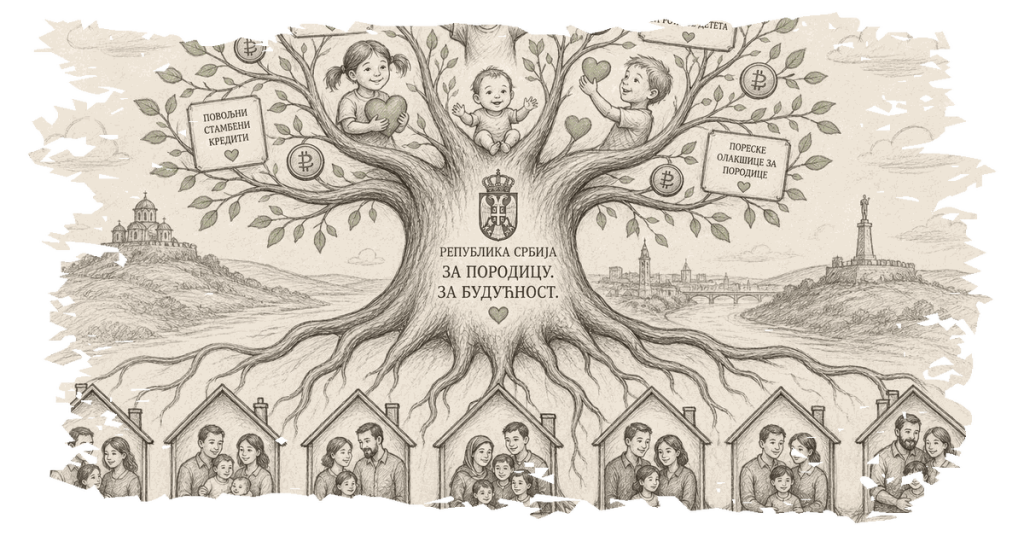
To encourage family growth, the government has introduced significant financial incentives. Parents will receive a one-time payment of 500,000 dinars for the birth of their first child. For the second child, the amount increases to 600,000 dinars, while for the third and fourth children, the support reaches up to 1 million dinars, paid in regular monthly installments over ten years. This financial assistance aims to provide long-term stability for families.

In addition to monetary support, the government is addressing housing needs by offering subsidies for mothers purchasing their first home or building a house. These subsidies cover costs up to 20,000 euros. The initiative also includes substantial investments in expanding preschool facilities to eliminate waiting lists for kindergartens. Furthermore, legislative changes are being made to ensure that entrepreneurial mothers receive the same rights and benefits during maternity leave as those employed by companies.
These measures are part of the government’s strategy to replicate the positive demographic trends observed in regions like Novi Pazar and Novi Sad across the rest of the country. The Raški district, in particular, is noted for its youthful population and tradition of large families, contributing to a positive natural population growth. The government’s approach includes enhancing local population policies that have shown success in certain areas, such as the Pantelej municipality in Niš and some Vojvodina municipalities.
While these measures are ambitious, their effectiveness in reversing Serbia’s demographic trends remains to be seen. There is potential skepticism among the public about the government’s ability to implement these measures effectively. The initiative reflects ongoing efforts to tackle Serbia’s demographic challenges, which have been a subject of discussion for some time. Previous efforts have included various family support programs and incentives to address the declining population trend.
The government’s targeted approach highlights regional disparities in birth rates, with urban centers and certain districts showing more promising results. The success of these measures could have significant implications for families and communities across Serbia, potentially influencing the country’s demographic landscape in the years to come.