

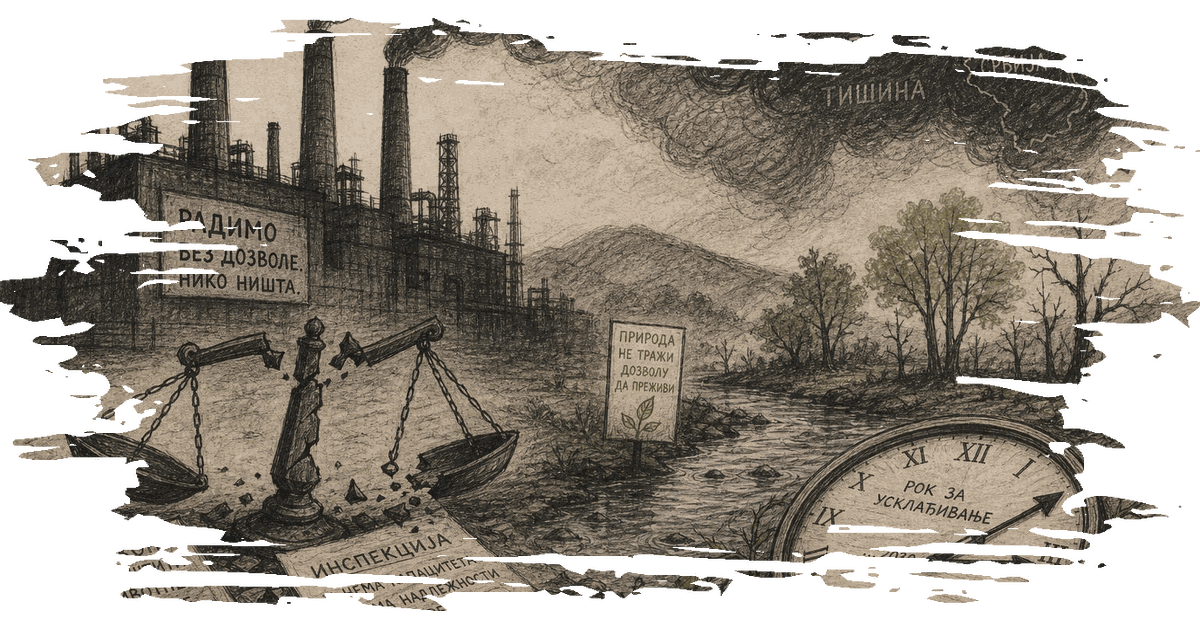
In Serbia, a significant environmental oversight has come to light, with 150 major polluting facilities operating without the necessary environmental permits for over a decade. This situation persists despite a law enacted in 2004 mandating such permits. Since the law’s implementation, only 67 permits have been issued, despite the requirement for 220 operators to comply. The deadline for obtaining these permits has been repeatedly extended, most recently to the end of 2024.
Last month, Serbia passed a new law on integrated pollution prevention and control, which mandates a reevaluation of facilities requiring permits within six months. This law aims to streamline the process by consolidating various environmental impacts—such as air, water, waste, and noise pollution—into a single integrated permit. The goal is to ensure that industrial facilities use the best available techniques to minimize pollution from the outset, rather than addressing pollution after it has occurred.

The persistent delay in enforcing permit requirements has raised concerns about regulatory enforcement and environmental protection in Serbia. Hristina Vojvodić, a legal advisor at the Platform for Social Development and Innovation, attributes the prolonged non-compliance to a lack of motivation within the industry, lenient penalties, and the fact that many facilities do not meet even basic requirements like water and usage permits. Vojvodić highlights the systemic issue of regulatory bodies failing to conclude permit processes, with some cases remaining unresolved for over a decade.
The inefficiency of the current system is further exacerbated by the unequal treatment of new and existing facilities. While new facilities can be prohibited from operating without permits, existing polluters have continued operations with temporary solutions or pending applications. This discrepancy disrupts market competition and undermines environmental regulations.
The example of the Nikola Tesla Thermal Power Plant illustrates the problem. Meetings were held in 2014 to address documentation issues, but no substantial actions or consequences followed, allowing the plant to continue operations without a permit. Vojvodić argues that the responsibility lies with the authorities responsible for issuing permits, as prolonged procedures without resolution are unacceptable.
The new law’s effectiveness remains uncertain, as it depends on the commitment of regulatory bodies and industries to adhere to stricter standards. The law’s success will require clear deadlines for documentation and strict enforcement of compliance requirements. The environmental impact of these polluters, particularly on public health and local ecosystems, remains a critical concern, yet specific details on these effects are not provided in the current discourse.
The situation underscores the need for a robust regulatory framework and effective enforcement mechanisms to protect Serbia’s environment and public health. As the country moves forward with its new legal framework, the focus will be on whether these measures can lead to tangible improvements in compliance and environmental protection.




0 Comments