

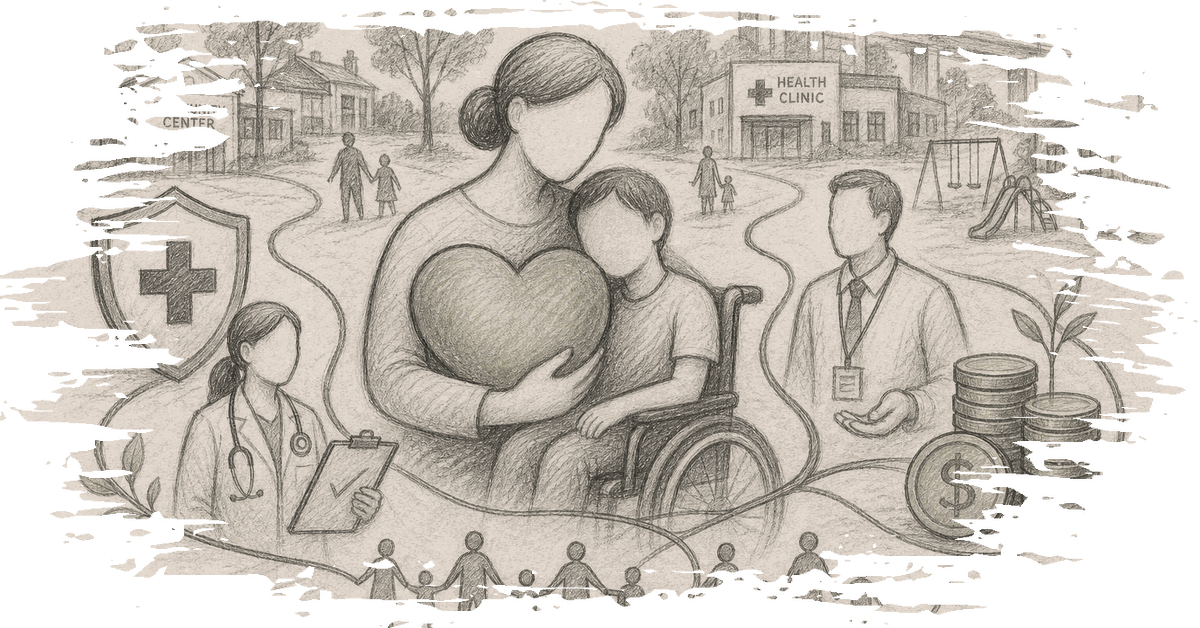
A new law aimed at supporting families caring for individuals with disabilities will be implemented in Serbia starting October 1, 2026. This legislative change introduces financial compensation and social security benefits for parents who become caregivers. The initiative, announced by Milica Đurđević Stamenkovski, the Minister for Labor, Employment, Veteran, and Social Affairs, marks a significant step in enhancing the social protection framework for vulnerable populations in the country.
Under the new law, parents who assume the role of caregivers will receive a monthly financial compensation of 65,000 dinars. This amount is set to be adjusted in March to align with the growth of the average salary, ensuring that the financial support remains relevant to economic conditions. Additionally, the law provides health and pension insurance for previously uninsured parents, thereby securing their social security rights as they take on caregiving responsibilities.
Minister Đurđević Stamenkovski highlighted the importance of this law during a visit to Leskovac, emphasizing that it is part of a broader effort to improve community services for individuals with disabilities. “We will not stop with the improvement of services in the community,” she stated, underscoring the government’s commitment to ongoing enhancements in social services. The law is seen as a crucial element in a series of measures aimed at bettering the lives of people with disabilities and their families, although it is not a standalone solution to all challenges faced by these families.
The implementation process involves parents submitting applications to local Centers for Social Work. Once the necessary documentation is completed, there is a 15-day period for the processing of applications, issuance of decisions, and signing of contracts with the ministry. This structured approach aims to ensure that eligible families receive timely support.
In addition to the financial and insurance benefits, the ministry is actively working on other projects to support individuals with disabilities. These include the provision of inclusive playgrounds, accessible transportation, and infrastructure improvements such as ramps and pool lifts. The ministry is also encouraging local governments to allocate budgetary resources to support these initiatives, highlighting the importance of local involvement in social protection efforts.
The law’s introduction comes amid broader discussions about the need for systemic changes in Serbia’s social protection laws. The current framework, established in 2011, is considered outdated by many stakeholders. As part of the reform efforts, a working group has been established to draft a new social protection law that aims to make the system more functional and accessible.
Minister Đurđević Stamenkovski’s recent activities, including visits to various social service centers and discussions with local officials, reflect the government’s proactive approach to addressing the needs of families with disabled members. The ministry’s focus on concrete projects rather than workshops indicates a shift towards more tangible support measures.
While the new law is a positive development, its effectiveness in practice will depend on the timely processing of applications and the adequacy of financial support provided. There are concerns about whether the compensation is sufficient to meet the actual needs of families, and the success of the law will likely be evaluated based on its impact on the quality of life for caregivers and those they support.
The introduction of this law is a significant move in Serbia’s ongoing efforts to enhance social services and support for vulnerable populations. It reflects a commitment to improving the lives of individuals with disabilities and their families, while also highlighting the importance of continuous improvement and adaptation of social protection policies to meet evolving needs.


0 Comments