

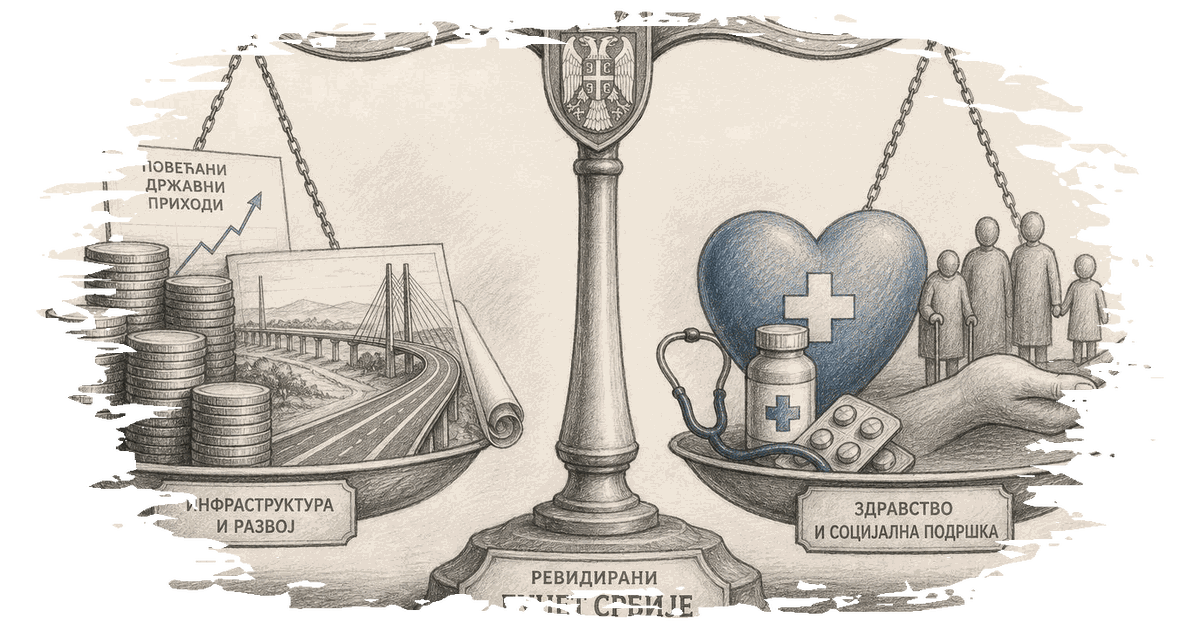
The Serbian Parliament has approved a significant budget rebalancing for 2026, aiming to address ongoing economic challenges by increasing allocations for investments, healthcare, and citizen assistance. The decision, made during a special parliamentary session, saw 137 members voting in favor and 36 against the proposed changes.
The revised budget sets the total planned revenues for the state at 2.527 trillion dinars, marking an increase of 112.45 billion dinars from the original budget. This adjustment reflects the government’s response to current economic conditions and its commitment to enhancing public services and infrastructure.
A substantial portion of the budget, 779.9 billion dinars, is earmarked for capital investments, representing 7% of the country’s Gross Domestic Product (GDP). These funds are intended to support ongoing and new infrastructure projects, including the continuation of significant undertakings like the Moravian Corridor, the Danube Highway, and the “Smiley” project in Vojvodina.
In healthcare, an additional 28.3 billion dinars has been allocated, focusing on treatments for rare diseases and the provision of innovative medicines. This increase is part of a broader strategy to improve healthcare services and outcomes for Serbian citizens.
The budget also includes a 734.4 million euro package for citizen assistance, designed to mitigate the effects of the energy crisis and rising living costs. This package will provide one-time financial support to various groups, including pensioners, individuals with disabilities, parents eligible for child benefits, and social assistance recipients. The distribution of these funds is scheduled to begin in September, with specific amounts allocated based on individual circumstances.
Finance Minister Siniša Mali, who presented the budget rebalancing to the Parliament, emphasized the government’s focus on maintaining economic stability and improving the standard of living for all citizens. He highlighted the projected economic growth rate of 3.3% for 2026, with the GDP expected to reach 95.3 billion euros. Mali also noted that the public debt is projected to be 43.8% at the central government level and 44.2% at the general government level by the end of the year.
The rebalanced budget reflects the government’s strategic priorities, including increased funding for social protection, with around 25 billion dinars allocated for this sector. This includes support for the Alimony Fund and the implementation of the Parent-Caregiver Law, which provides financial assistance to eligible families.
In addition to these measures, the Parliament approved a law aimed at alleviating the impact of the energy crisis and rising living costs through one-time financial support. This law, which garnered 141 votes in favor, will provide financial aid to pensioners, individuals with disabilities, and other vulnerable groups, with payments scheduled to begin in mid-September.
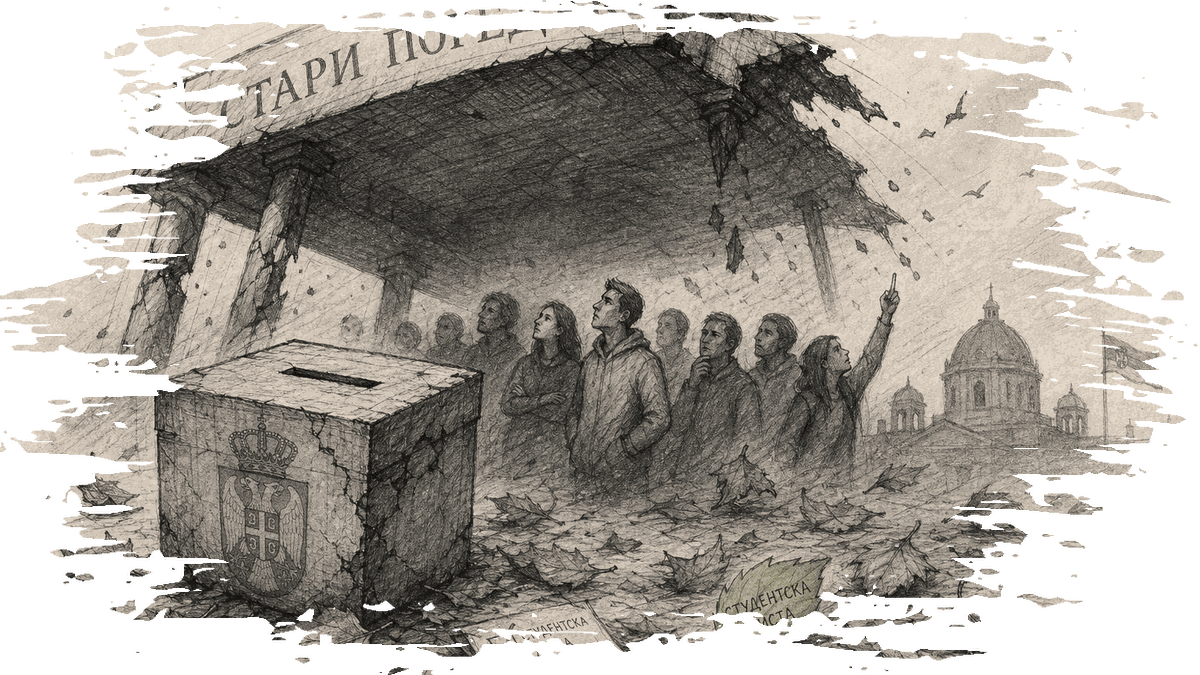
The approval of the budget rebalancing and associated financial support measures comes at a critical time for Serbia, as the country prepares for upcoming elections. The government’s efforts to address economic challenges and support citizens may influence public sentiment and voter behavior in the lead-up to the elections.
While the immediate effects of the budget rebalancing are clear, its long-term impact on the Serbian economy remains uncertain. The government will need to carefully manage public finances to ensure that these measures contribute to sustainable economic growth and improved living standards for all citizens.
0 Comments