

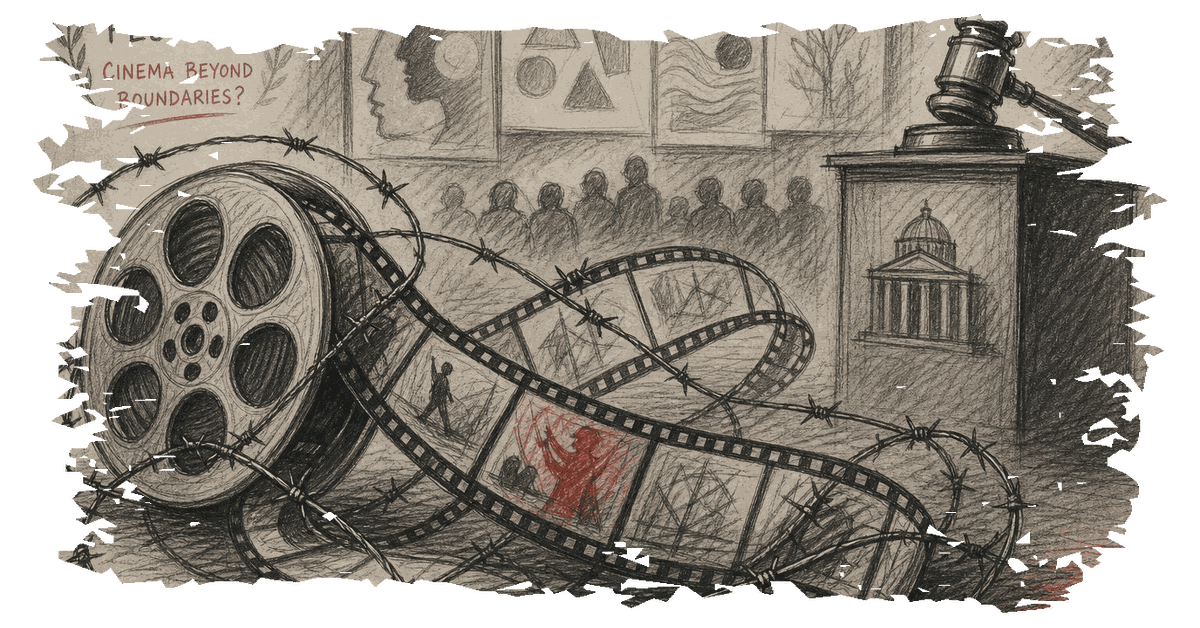
The Herceg Novi Film Festival, held from August 22 to 28, 2026, was marred by political controversy after actor Dragan Mićanović was barred from delivering the festival’s opening speech due to his critical remarks about the Serbian government. Mićanović, who was initially scheduled to open the festival, was replaced by Montenegro’s Minister of Culture, Tamara Vujović, following a decision by the festival’s sponsors, which include the Ministry of Culture and Media of Montenegro and the Municipality of Herceg Novi. This decision has been interpreted as evidence of Serbian political influence extending into Montenegro.
Mićanović’s speech, which was published in full by the portal ETV, addressed several contentious issues, including the lack of accountability for violence, the state of culture in Serbia, and the absence of funding for new films over the past two years. He criticized the systematic suppression of the independent cultural scene in Serbia, highlighting the broader struggles faced by cultural practitioners in the country. In his speech, Mićanović recalled an incident from a year and a half ago when he and his colleagues carried a banner demanding accountability for a significant tragedy and spoke out against the violence experienced by young colleagues outside a faculty building. He lamented that discussions about responsibility have dwindled while violence has proliferated, and he accused the authorities of systematically eliminating the free-thinking cultural scene.

The controversy overshadowed the festival, which showcased over 80 films, as discussions centered around Mićanović’s exclusion rather than the films themselves. The incident has sparked a broader conversation about the influence of Serbian politics on cultural events in Montenegro, with many in the public and media focusing on the implications of this political intervention rather than the cinematic achievements being celebrated.
Mićanović expressed his desire for the focus to remain on the films and their creators, emphasizing that they deserved the media and public’s attention. He stated, “I do not want the story about the festival’s opening and everything that happened around it to overshadow or push into the background the story about the films that deserve all the attention at such a significant festival as FFHN.” Despite his exclusion, Mićanović plans to address the issue in detail after the festival concludes.
The decision to prevent Mićanović from speaking was reportedly influenced by concerns over how his remarks might be perceived in relation to the festival’s organizers. Critics argue that this reflects a broader trend of political interference in cultural events, a sentiment echoed by other cultural figures in the region. Darko Tomović, an actor and president of the SINGLUS association, commented on the situation, acknowledging Montenegro’s right to avoid involvement in Serbia’s political struggles but expressing regret over the decision.
This incident at the Herceg Novi Film Festival is not isolated, as similar controversies have arisen in the past regarding the influence of politics on cultural festivals in the region. The Bitef festival in Serbia, for example, has faced challenges related to censorship and political interference, highlighting ongoing tensions between artistic expression and governmental influence in the cultural sphere.
The Herceg Novi Film Festival’s political controversy underscores the complex dynamics at play in regional cultural events, where artistic expression often intersects with political agendas. As the festival concludes with the awarding of prizes, the focus remains on the broader implications of this incident and the ongoing dialogue about the role of politics in cultural expression in the Balkans.

0 Comments