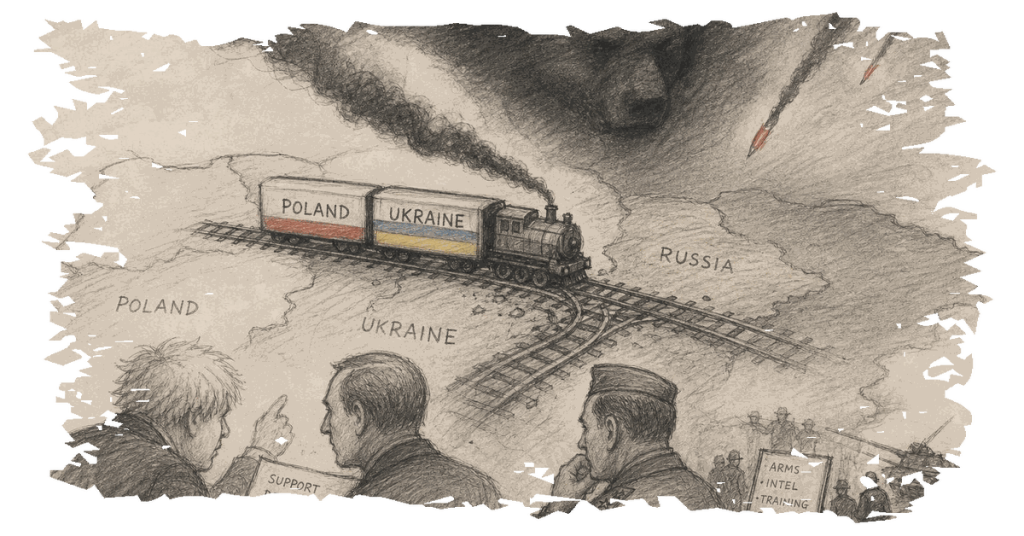
Poland and Ukraine have accused Russia of escalating tensions following a Russian strike on a train near their shared border. The incident, which occurred just two kilometers from the Polish border, did not result in any reported casualties. Former UK Prime Minister Boris Johnson and ex-US CIA director David Petraeus were reportedly nearby at the time of the attack, according to Ukraine’s rail operator. The strike took place while Johnson and other security advisers from several EU member states were at Yagodyn station, although the exact proximity of the officials to the attacked train remains unclear.
Polish President Donald Tusk has expressed concern over the increasing frequency of Russian military actions near the border, particularly highlighting the use of long-range strike drones. “The escalation of actions by the Russian Federation is becoming a fact, and its examples are increasingly close to our border,” Tusk stated on social media following a security meeting. He emphasized the threat posed by jet-powered drones, which are faster and more challenging to intercept than earlier models.

In response to the incident, Ukraine’s Foreign Minister Radoslaw Sikorski urged Western allies to “double” their support for Ukraine. He stressed the impact of the strike on Poland’s safety, noting that it occurred just a few hundred meters from the Polish border. This attack underscores the strategic importance of Ukraine’s border crossings with Poland, which serve as critical conduits for military and humanitarian aid from Western allies.
The incident adds to a series of Russian military actions affecting the region. Russian missiles and drones have previously fallen in Polish territory, including a notable incident in 2022 when a Russian missile exploded in the Polish village of Przewodow, resulting in two fatalities. These occurrences have heightened security concerns in Poland and among NATO allies.
Ukrainian President Volodymyr Zelenskyy accused Moscow of deliberately targeting the locomotive, a claim that underscores the ongoing hostilities between the two nations. The conflict, which began with Russia’s invasion of Ukraine in February 2022, has seen a significant increase in attacks on civilian infrastructure and border areas.
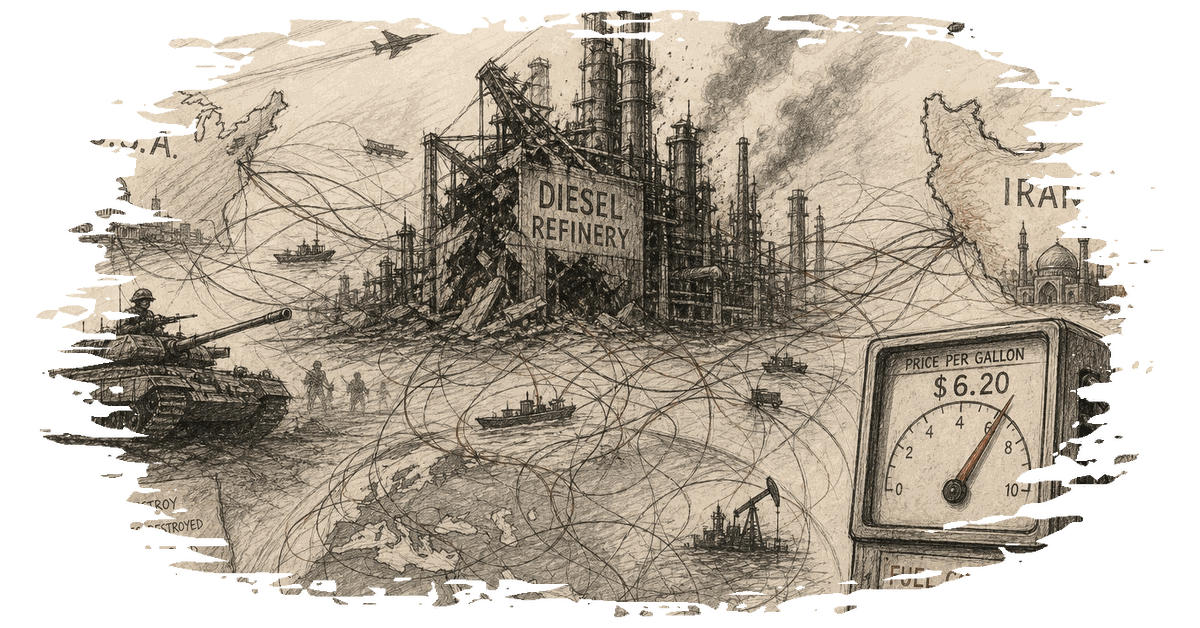
In a related development, U.S. President Donald Trump has urged Ukraine to ease its long-range strike campaign on Russian oil infrastructure. Trump attributed the rising diesel prices in the U.S. to these Ukrainian attacks, which have targeted Russia’s oil and gas industry. Moscow, in response, banned diesel exports in July, further tightening the global market.
As tensions continue to rise, the international community remains watchful of the potential implications for NATO and regional security. The proximity of the recent strike to the Polish border raises questions about the potential for further military actions and the necessary responses from NATO allies. The situation remains fluid, with diplomatic and military strategies being closely monitored by all parties involved.