

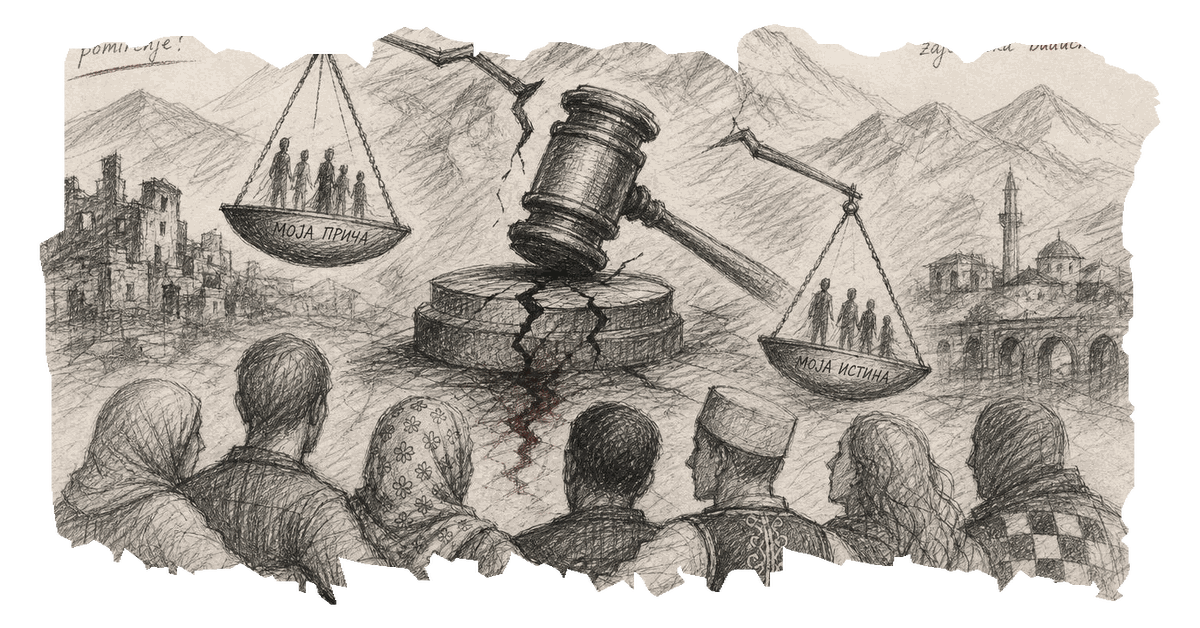
Rade Radovanović, a journalist, has expressed skepticism regarding the recent sentencing of Hashim Thaci and others, suggesting that the sentences might be altered on appeal. Radovanović highlighted that past experiences with similar cases have seen sentences reduced or annulled during the appeals process. He cited an example of an individual initially sentenced to 27 years who was later released and now resides in Belgrade.
In his commentary, Radovanović emphasized that many Serbs who died following the Kosovo conflict were not victims of the Kosovo Liberation Army (KLA) but rather fell prey to various criminals. He criticized the prevailing perception that the judicial process disproportionately targets Serbs, suggesting that this reflects a biased narrative. Radovanović described this as a “Kalimero politics” orchestrated by Serbian President Aleksandar Vučić and his administration, which portrays Serbs as unfairly victimized.
Radovanović also pointed out that the judge in the recent case clarified that the court’s jurisdiction was limited to crimes committed during the armed conflict up to June 1999, as per the Kumanovo Agreement. However, he noted that the conflict in Kosovo extended from March 1998 to the end of 1999. During the period from March to June 1999, approximately 500 Serbs were killed, with the number rising to nearly 2,000 by the end of that year. Radovanović questioned who should be held accountable for these deaths, noting that many were caused by criminals who entered Kosovo from Albania after the arrival of KFOR forces.
The recent sentencing of Hashim Thaci and his associates has ignited significant debate in Serbia, particularly concerning the narratives of victimhood and justice. Previous trials at The Hague have seen sentences modified on appeal, raising questions about the finality of such judgments. This situation underscores the complexities surrounding the Kosovo conflict and the subsequent legal proceedings.
The broader discourse on justice and reconciliation in the Balkans remains contentious. While some view the legal proceedings as a step towards accountability, others, like Radovanović, argue that they reflect a biased approach that fails to address the full scope of atrocities committed during and after the conflict. The ongoing debates highlight the challenges in achieving a comprehensive and balanced understanding of the events in Kosovo and their aftermath.

0 Comments