

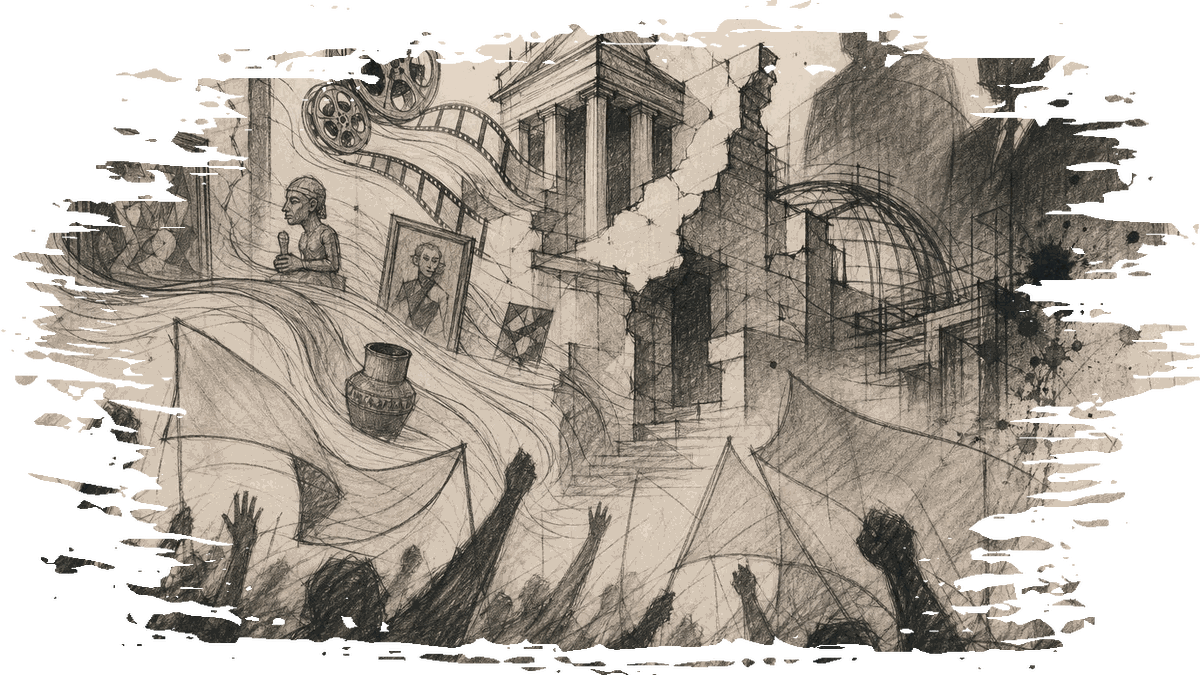
On November 3, 2026, staff members at the Museum of Yugoslavia in Belgrade staged a one-hour warning strike to protest against management pressures and decisions affecting the museum’s collections. The strike was primarily in response to actions taken by Gordana Vujović, who was appointed as the acting director of the museum in May. Employees have expressed concerns over the cancellation of significant cultural events and the planned relocation of valuable artworks from Villa Mir, a residence originally built for Josip Broz Tito.
The strike highlights ongoing tensions within the museum since Vujović’s appointment, which has been marked by controversy. According to Marija Vasiljević, the representative of the Museum of Yugoslavia’s union, the strike was a culmination of efforts to address these issues through legal means. She stated that the management’s decisions have undermined professional autonomy and the integrity of the museum’s staff.
One of the contentious decisions includes the directive to relocate approximately five thousand valuable artworks from Villa Mir, located in Dedinje. The collection includes archaeological and artistic exhibits from Greece and Egypt, as well as works by Yugoslav and international artists. Vujović’s insistence on the relocation, despite objections from the museum’s professional staff, has been a significant point of contention.
Additionally, Vujović’s decision to cancel the screening of the film “Blum – Gospodari svoje budućnosti” by director Jasmila Žbanić, which was the final event of the ‘Summer at the Museum’ program, has drawn criticism. The event was one of the museum’s most popular programs, and its cancellation was not accompanied by an explanation, despite requests from the staff. The union suspects that the cancellation may be linked to Žbanić’s views on the Srebrenica genocide.
The union’s statement emphasizes that such “unsubstantiated and sudden actions” by the management threaten the autonomy and creative integrity of the museum’s employees. The strike serves as a warning, with further actions to be decided in upcoming union meetings.
Gordana Vujović’s appointment as acting director was met with disapproval from the museum’s staff, particularly because the museum’s board had previously requested the Ministry of Culture to approve a public competition for a new director. Vujović, who transitioned from the Ministry of Culture to the museum, lacks the four years of managerial experience in cultural institutions required by the museum’s statute. Her biography, obtained through a request for information of public importance, revealed discrepancies in her qualifications.
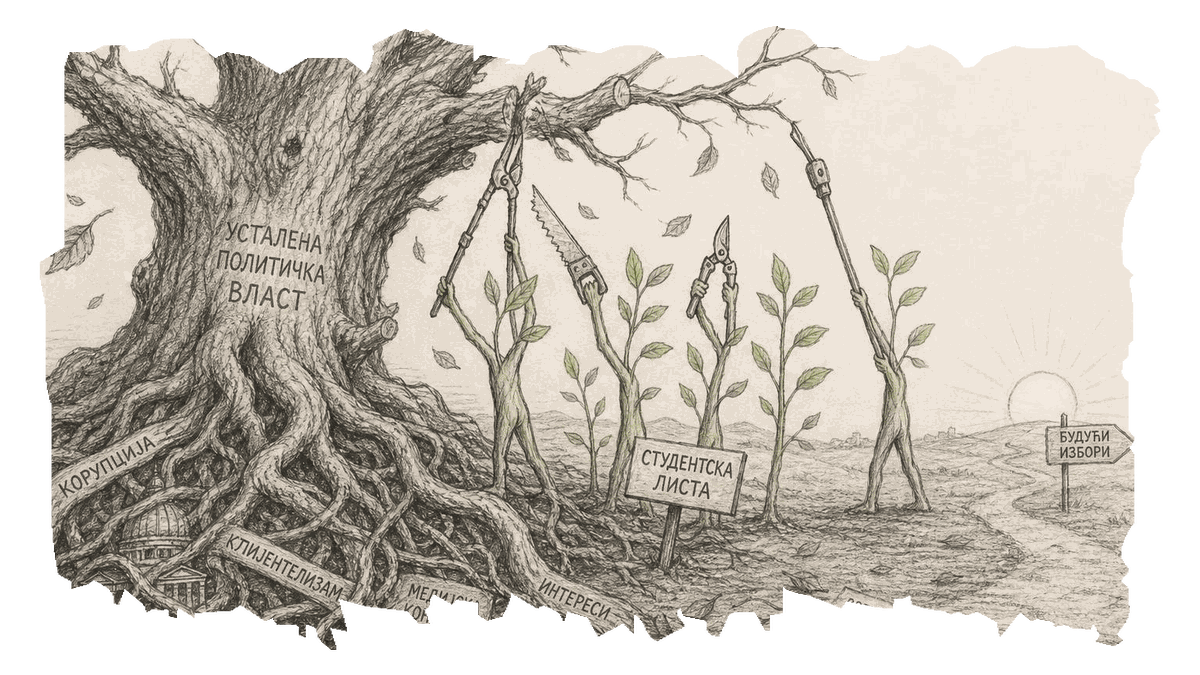
The strike at the Museum of Yugoslavia is part of a broader wave of demands for leadership changes across Serbia’s cultural sector, following the political shifts after the October 25 elections. Many cultural institutions have faced calls for the resignation of their leaders, reflecting a wider demand for transparency and accountability in the management of cultural heritage. The situation at the museum remains fluid, with potential for further developments as staff and management continue to address these contentious issues.



0 Comments