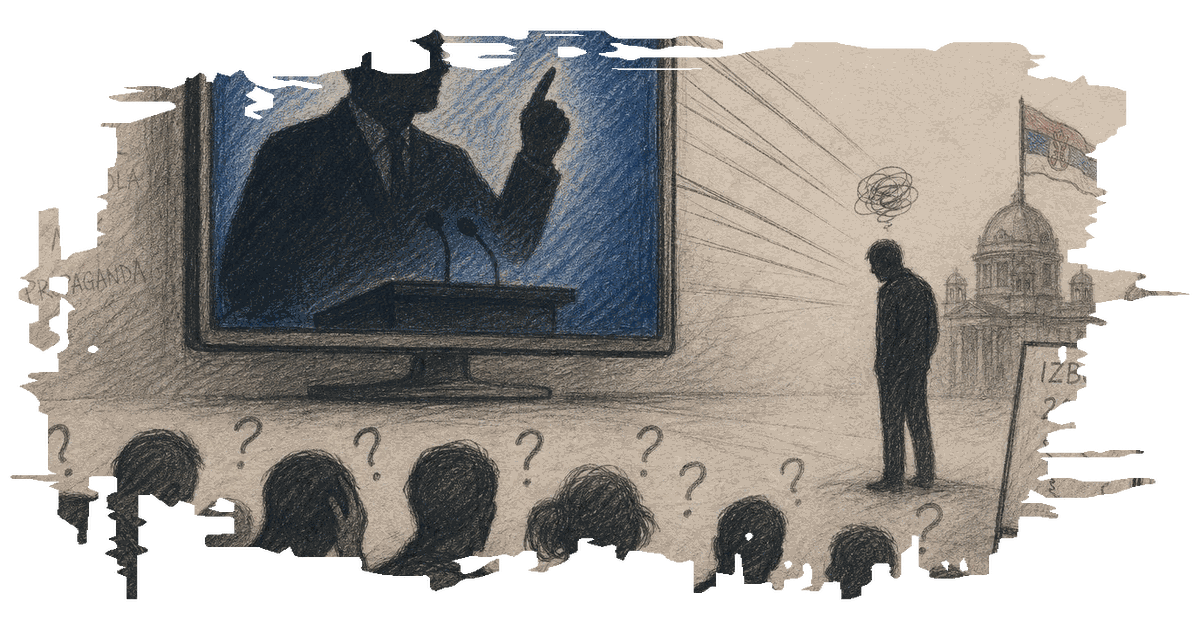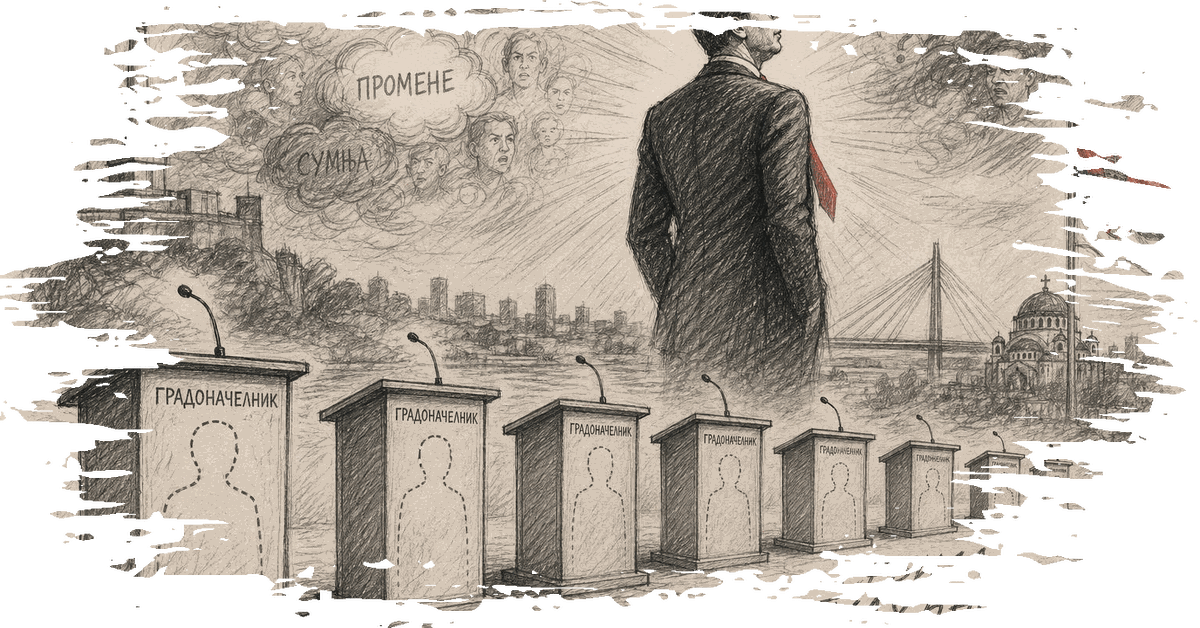
As Serbia and Bosnia and Herzegovina prepare for their respective elections in October 2026, political alliances are coming into focus, particularly the relationship between Serbian President Aleksandar Vučić and Milorad Dodik, the influential leader in the Republic of Srpska. Vučić is planning to resign from the presidency to run for the position of prime minister, a move that aligns with his strategic political ambitions. Meanwhile, Dodik, despite being barred from holding public office due to a court ruling, remains a significant political figure in the Republic of Srpska.
According to Dušan Spasojević, a professor at the Faculty of Political Sciences in Belgrade, the political connection between Vučić and Dodik is one of mutual support. Dodik’s ability to mobilize votes from Serbian citizens in the Republic of Srpska, who hold Serbian citizenship, could be crucial for Vučić’s electoral success. Spasojević suggests that Dodik’s influence could extend beyond mere vote gathering, potentially impacting national themes that may serve as additional leverage for Vučić against other political actors.

Ivana Marić, a political analyst from Sarajevo, notes that Vučić’s strategy in Bosnia and Herzegovina involves playing a “safe card” by not solely relying on Dodik. Instead, Vučić is reportedly strengthening ties with Draško Stanivuković, the mayor of Banjaluka, who has emerged as a competitive figure against Dodik. Stanivuković’s presence at the funeral of Ratko Mladić, where he praised the controversial figure, indicates his alignment with certain nationalist sentiments, which could appeal to a segment of the electorate.
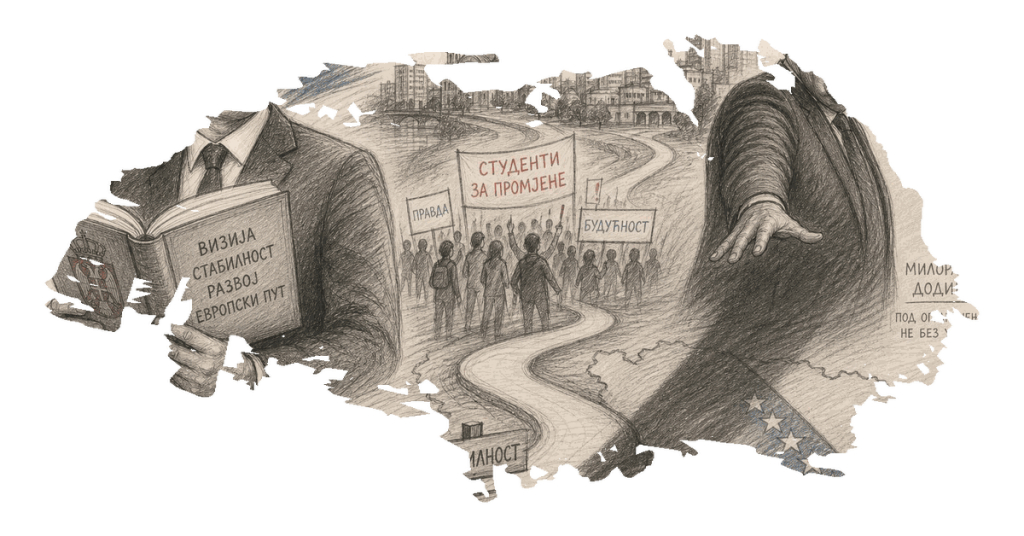
The political landscape in Serbia is further complicated by the rise of a student movement that has gained traction by focusing on issues of corruption and governance rather than historical grievances. This movement, which has grown in strength over the past year and a half, is led by Ilija Srdović, a cardiologist from Novi Sad. The student electoral list, which emerged alongside the call for extraordinary elections, lacks prominent figures but aims to capitalize on its grassroots support and the absence of traditional leadership.
Spasojević observes that the student movement’s strategy of avoiding controversial historical issues, such as the relationship with Kosovo and the legacy of the Srebrenica genocide, might face challenges during the campaign. These topics, often sensitive and divisive, could become unavoidable as the elections approach, forcing the movement to address them more directly.
In the broader context, the elections in both Serbia and Bosnia and Herzegovina are set against a backdrop of historical and political complexities. The interplay between Serbian and Bosnian politics has long been influenced by nationalistic themes and the legacy of past conflicts. Dodik’s enduring influence in the Republic of Srpska, despite legal restrictions, underscores the persistent weight of these historical dynamics.
As the elections draw near, the political alliances and strategies being formed will likely play a significant role in shaping the outcomes. The ability of Vučić to navigate these alliances, particularly with figures like Dodik and Stanivuković, could determine his success in transitioning from the presidency to the role of prime minister. Meanwhile, the student movement’s approach to campaigning and its ability to resonate with voters on issues of governance and corruption will be tested in a highly competitive electoral environment.