

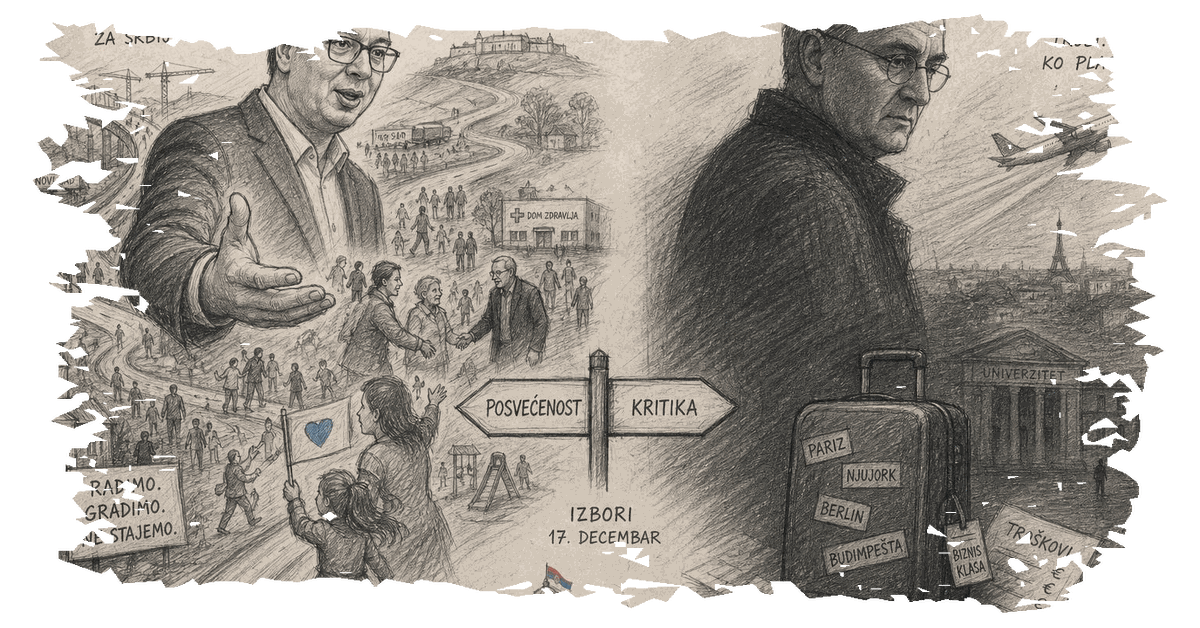
In the lead-up to Serbia’s parliamentary elections on October 25, President Aleksandar Vučić and University of Belgrade Rector Vladan Đokić have become focal points of public scrutiny due to their contrasting public engagements. Nebojša Bakarec, a columnist, has highlighted these differences, portraying Vučić as a dedicated leader actively engaging with citizens, while criticizing Đokić for allegedly misusing university resources for personal travel.
In the past seven weeks, Vučić has reportedly conducted approximately 190 activities, including 102 visits to various locations across Serbia and the Republic of Srpska. These activities are being framed as part of his commitment to addressing the issues faced by Serbian citizens. Vučić’s extensive travel itinerary from July 4 to September 3, 2026, included visits to numerous towns and cities, as well as engagements with local communities and infrastructure projects. This level of engagement is being used to emphasize his dedication to the role of president.
In stark contrast, Rector Đokić has been criticized for his frequent travels abroad, which reportedly included vacations in Greece, Montenegro, and Brazil. These trips have been presented as official university business, raising questions about the use of public funds. Đokić’s travels have reportedly totaled 35 days over the summer, including a controversial trip to Rio de Janeiro, which was officially described as a conference visit to Brasília. The discrepancy between the official explanation and the actual itinerary has fueled criticism of Đokić’s conduct.
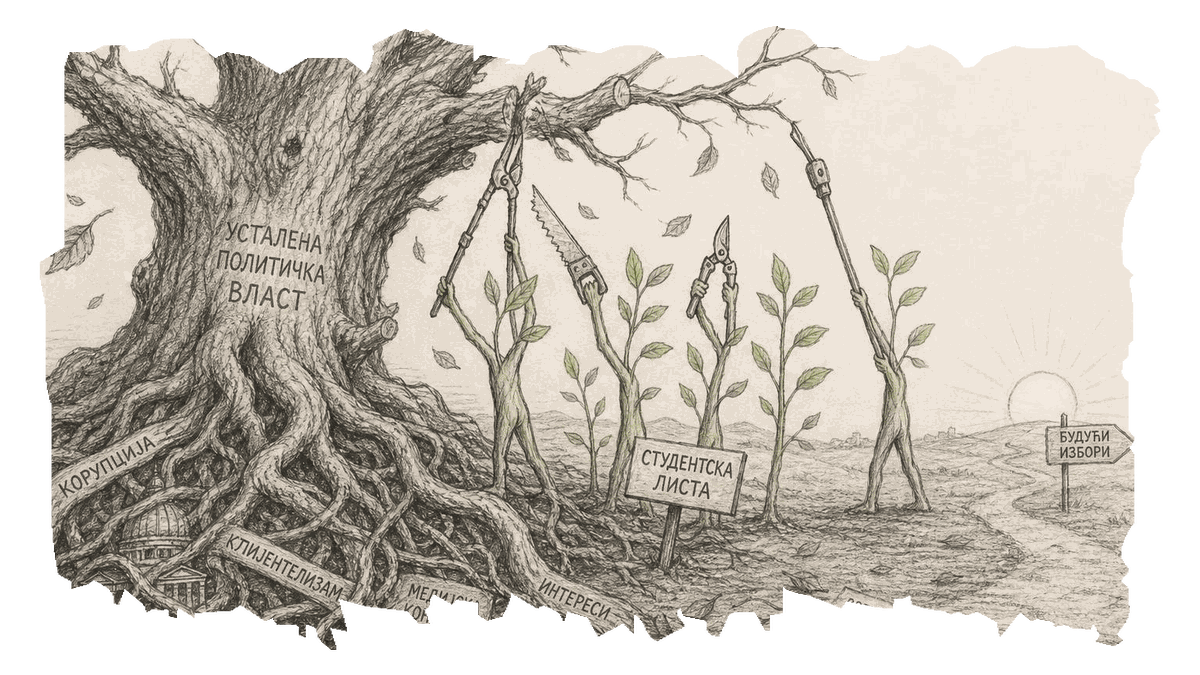
The political implications of these contrasting engagements are significant as Serbia approaches its elections. Vučić’s high visibility and active public engagement could bolster his political standing and that of his Serbian Progressive Party (SNS), which has been the dominant force in Serbian politics. Meanwhile, Đokić’s actions have drawn negative attention, potentially impacting his credibility and that of the student movement he is associated with.
This situation highlights the broader political dynamics in Serbia, where public perception and media portrayal can significantly influence electoral outcomes. The scrutiny of Đokić’s activities underscores the heightened attention on political figures during the election period, reflecting the stakes involved in the upcoming parliamentary elections.
The criticisms of Đokić also intersect with broader issues of governance and accountability in Serbian public institutions, particularly regarding the use of state resources. The allegations against Đokić, if substantiated, could have implications for the University of Belgrade’s administration and its relationship with the government.
As the election date approaches, the contrasting narratives surrounding Vučić and Đokić are likely to continue shaping public discourse. Vučić’s strategy of direct engagement with citizens may serve to reinforce his image as a hands-on leader, while Đokić’s alleged misconduct could become a point of contention among voters and political commentators.
The developments in Serbia’s political landscape, as highlighted by these contrasting public engagements, will be closely watched in the coming weeks as the country prepares for a potentially pivotal election. The outcomes could have lasting implications for Serbia’s political alignment and governance.


0 Comments