

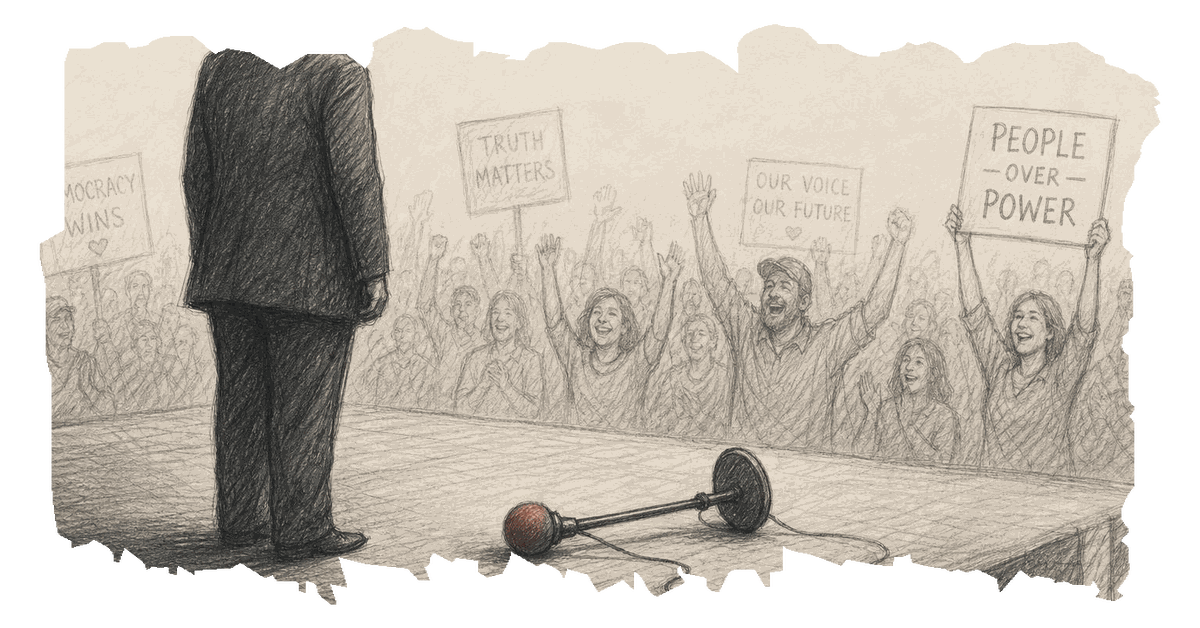
Serbian President Aleksandar Vučić has canceled a planned pre-election rally in Novi Sad, citing concerns for public safety. This decision marks the first time Vučić has officially canceled a visit to Novi Sad, despite having announced it multiple times previously. The cancellation has been met with public celebrations, as many citizens view it as a victory against the ruling party.
The rally, organized by the Serbian Progressive Party (SNS), was initially scheduled for September 4. Vučić announced the cancellation on social media, emphasizing that the safety of citizens was his primary concern. He stated that the police would have been required not only to protect the rally attendees but also to safeguard citizens from potential conflicts with “angry citizens who can no longer endure the terror on the streets.”

The political climate in Serbia has been increasingly tense, with previous political gatherings often leading to protests and unrest. The cancellation of Vučić’s rally is seen by some as a response to these tensions. In the days leading up to the planned event, opposition figures had expressed concerns about potential violence and unrest, accusing the ruling party of provoking such incidents to justify postponing elections.
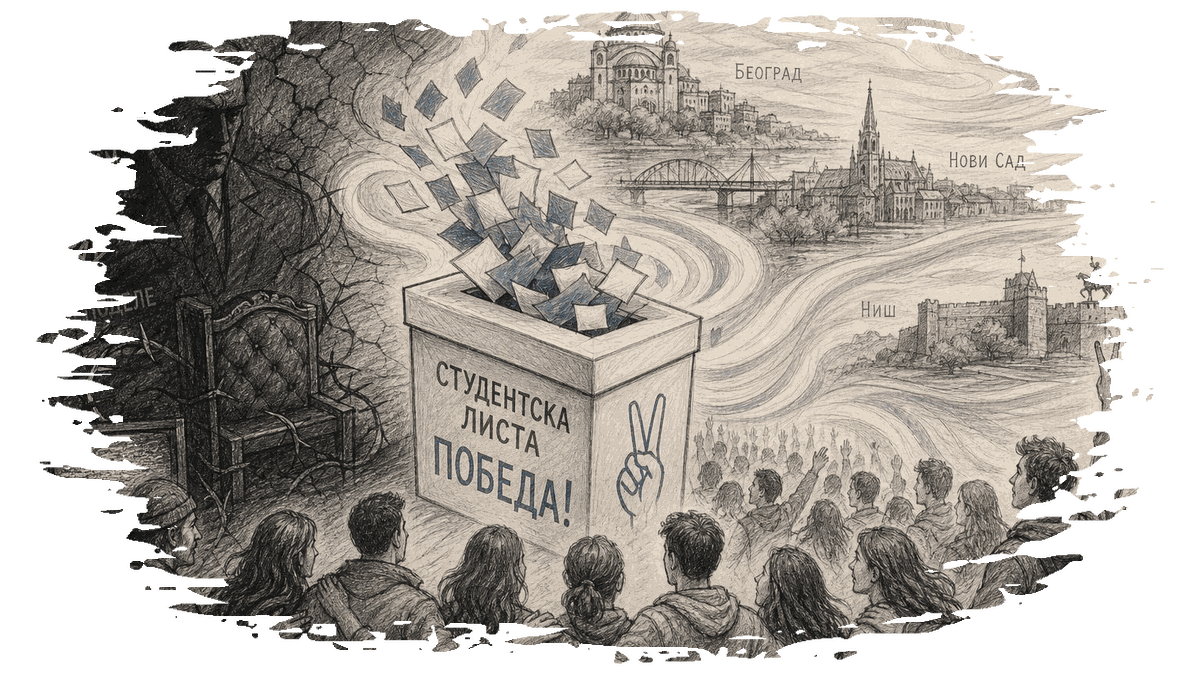
Public reactions to the cancellation have been varied. In Novi Sad, citizens gathered to celebrate what they perceived as a triumph over the ruling party’s influence. A gathering in the city’s Freedom Square featured speeches and activities organized by student groups and local activists, who declared the event a significant victory for the people.
The decision to cancel the rally also comes at a time when Serbia is preparing for upcoming elections, with the political landscape becoming increasingly polarized. Vučić’s administration has faced criticism for its handling of various issues, including its response to the death of Ratko Mladić, a convicted war criminal, which has further divided public opinion.
The broader context of Vučić’s decision includes a history of political rallies being postponed or canceled due to security concerns. In the past, Vučić has announced large gatherings in Novi Sad multiple times without them taking place. This pattern has led to skepticism about the motivations behind such announcements and cancellations.
As Serbia approaches its elections, the cancellation of the Novi Sad rally highlights the challenges facing the ruling party. The decision has sparked debate over the implications for Vučić’s leadership and the potential impact on the electoral process. Opposition leaders and civil society groups have yet to fully articulate their positions on the cancellation, leaving questions about how this event will influence public sentiment and voter turnout.
The cancellation also raises questions about the future of political gatherings in Serbia and the government’s ability to ensure public safety while allowing for democratic expression. As the country navigates these challenges, the actions of political leaders like Vučić will continue to be scrutinized, both domestically and internationally.
0 Comments