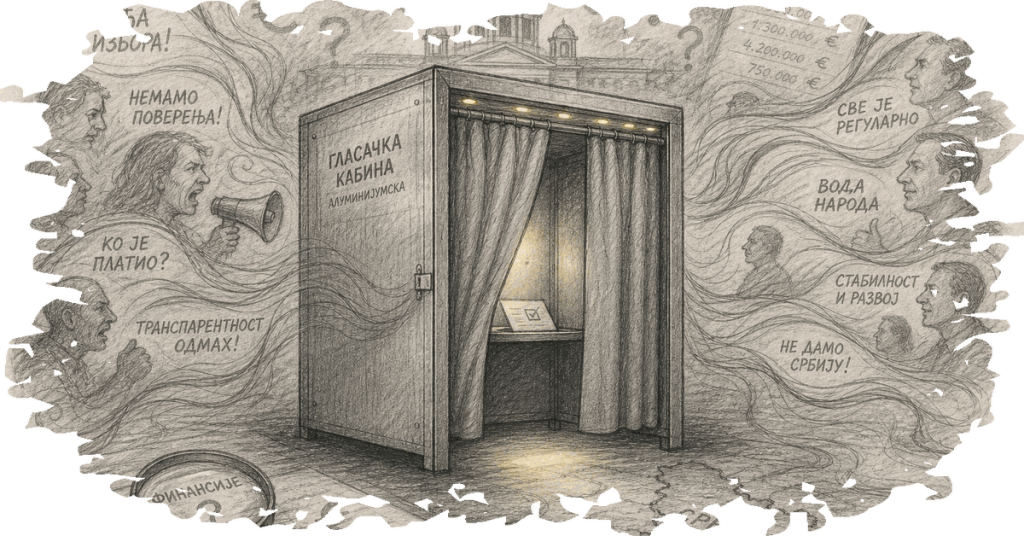
The Republic Electoral Commission (RIK) of Serbia has announced the introduction of new voting booths, a move that has sparked debate over its implications for the electoral process. The decision follows recommendations from the Office for Democratic Institutions and Human Rights (ODIHR), according to the RIK’s proposal. However, critics argue that these changes may not address the deeper issues within the electoral system and could potentially facilitate electoral fraud.
Former Member of Parliament Jelena Jerinić has been vocal about her concerns, expressing skepticism over the new booths’ effectiveness in preventing electoral malpractice. Jerinić highlighted that the new booths, featuring aluminum structures with curtains and LED lighting, could allow for activities such as ballot photographing and substitution, which are common fraudulent practices. She also questioned the financial implications, noting the significant cost of implementing these changes.
President Aleksandar Vučić defended the decision, stating that the booths are being procured to comply with ODIHR’s requests, with an estimated cost between seven and eight million euros. Vučić emphasized that while it might not be preferable to make such changes, the government is obliged to fulfill all ODIHR recommendations.
The introduction of these voting booths has raised questions about their potential impact on the integrity of the electoral process. Critics, including Sofija Mandić, a member of the RIK, argue that the new booths might not contribute to the secrecy of voting as intended. Instead, they could enable the secrecy of voting abuses, such as the destruction of electoral materials or the photographing of ballots for the ruling party’s benefit. Mandić criticized the lack of consultation with RIK members regarding the decision, asserting that the commission should function as an independent body responsible for ensuring lawful elections.
Pavle Dimitrijević from the Center for Research, Transparency, and Accountability (CRTA) echoed these concerns, stating that electoral irregularities cannot be resolved merely by changing the voting booths. He emphasized the need for more effective work by the electoral board and conscientious behavior by voters to address the underlying issues in the electoral process. Dimitrijević pointed out that the focus on technical changes, such as the booths, diverts attention from the more significant problems affecting election integrity in Serbia.
The financial aspect of the new booths has also come under scrutiny. Critics have questioned the procurement process and potential conflicts of interest, given the substantial investment required. The lack of transparency in the decision-making process has fueled suspicions about the motivations behind the changes.
The debate over the new voting booths reflects broader concerns about the integrity of Serbia’s electoral process. Previous allegations of electoral fraud and manipulation have plagued the country’s elections, contributing to a climate of distrust among the electorate. The introduction of these booths, while intended to align with international recommendations, has not alleviated these concerns.
As the RIK moves forward with implementing the new booths, the focus will likely remain on ensuring that the changes do not compromise the integrity of the electoral process. The cost and procurement details will be closely monitored, with stakeholders calling for transparency and accountability in the implementation of these changes. The ongoing debate highlights the need for comprehensive electoral reforms to address the root causes of distrust and ensure fair and transparent elections in Serbia.