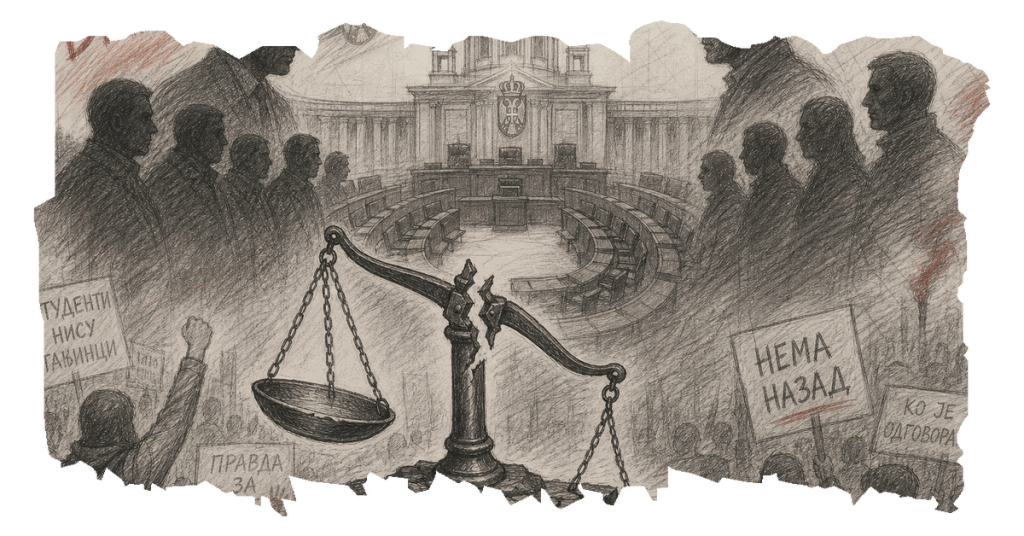
Serbia is set to hold early parliamentary elections on October 25, following a proposal by Premier Đuro Macut to dissolve the National Assembly. This decision comes amid a backdrop of nearly two years of social unrest led by student movements, which have been vocal in their demands for political change. The announcement of the elections, however, has been overshadowed by the recent death of Ratko Mladić, a former Bosnian Serb military leader convicted of war crimes, whose funeral has stirred significant political and social discourse in Serbia.
The ruling Serbian Progressive Party (SNS), led by President Aleksandar Vučić, is facing increased scrutiny and protests over its governance. The SNS, which emerged from the Serbian Radical Party in 2008, is accused by some of attempting to divert public attention from issues of corruption and governance by focusing on Mladić’s legacy. The narrative surrounding Mladić, viewed by some as a Serbian hero despite his conviction for genocide and war crimes, has been leveraged by the ruling party to consolidate its base, according to critics.

The upcoming elections are expected to be contentious, with the political climate described as volatile. Observers anticipate that the elections could be among the most fraught in Serbia’s recent history, characterized by allegations of electoral manipulation and violence. The SNS’s campaign strategy has been described as erratic, with President Vučić making frequent media appearances and engaging in direct public outreach through social media and personal interactions.
The political landscape in Serbia is further complicated by the emotional and nationalistic sentiments surrounding Mladić’s death. His funeral, attended by thousands, has been a focal point for nationalist rhetoric, with some media outlets and political figures using the event to criticize perceived foreign interference and to rally nationalist sentiment.
The elections are seen as a critical juncture for Serbia, with significant implications for the country’s democratic processes and international relations. The ruling party’s approach to the elections, including its handling of the narrative around Mladić, will likely influence public sentiment and voter turnout. The opposition, meanwhile, faces the challenge of uniting and presenting a cohesive alternative to the ruling party’s narrative.
As Serbia approaches the election date, the political discourse is expected to intensify, with both domestic and international observers closely monitoring the situation. The outcome of the elections will be pivotal in shaping Serbia’s political future and its path towards European integration.