

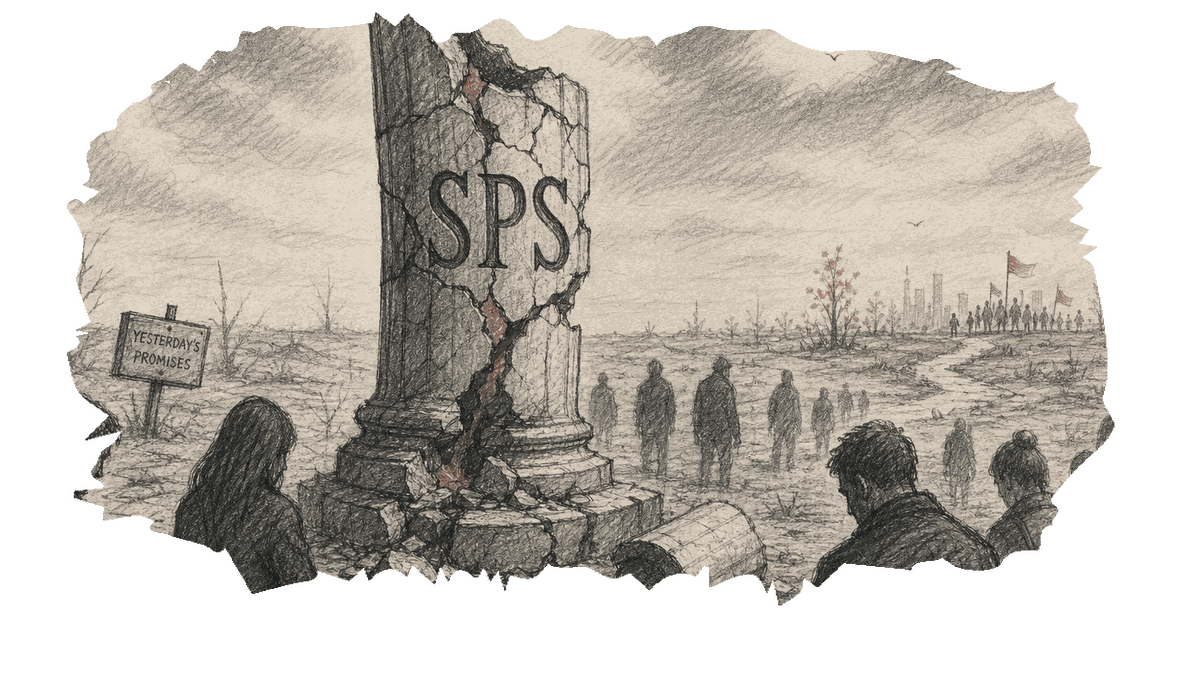
The Socialist Party of Serbia (SPS) has experienced a historic defeat in the recent parliamentary elections, failing to secure any seats in the National Assembly for the first time since its inception. According to preliminary results from the Republic Electoral Commission, the SPS garnered only 2.17% of the votes, falling short of the 3% threshold required to enter parliament. This outcome marks a significant decline for a party that has been a fixture in Serbian politics for over three decades.
Political analysts attribute the SPS’s decline to its prolonged coalition with the Serbian Progressive Party (SNS), which has eroded its distinct political identity. Marko Matić from the Center for Responsible Media noted that the SPS had become “an appendage” of the SNS, losing its ability to present itself as an independent political entity with a clear program. He added that Ivica Dačić, the leader of the SPS, attempted to regain the party’s identity during the election campaign, but the effort was insufficient to reverse the party’s fortunes.
The loss of parliamentary representation poses a severe challenge for the SPS, not only in terms of political visibility but also in its ability to attract new voters, particularly among younger generations. Matić emphasized that the party lacks a program that resonates with young voters, which could make a comeback difficult. Without a compelling political offer that extends beyond its traditional voter base, the SPS’s re-entry into parliament could be significantly more challenging in future elections.
Nikola Parun, a political scientist, highlighted the gradual decline of the SPS over recent years, noting that the party’s support had dwindled from double-digit percentages in previous elections to just over 2% in the latest vote. He described the SPS as “political history,” suggesting that while a reorganization might be possible, regaining political influence would be arduous, especially without the visibility that comes with parliamentary presence.
The recent elections have not only affected the SPS but also other opposition parties, some of which chose to support the Students’ List—a movement that emerged victorious in the elections. Despite the lack of success in securing parliamentary seats, the ideas championed by these opposition groups may still hold potential for future political movements in Serbia. The challenge ahead lies in finding political entities capable of effectively representing the interests of citizens who share these views.
As the SPS grapples with its electoral defeat, the broader implications for Serbian politics remain to be seen. The party’s decline raises questions about the future of traditional political entities in Serbia and the potential for new movements to fill the void left by established parties. The generational shift in voter support underscores the challenges faced by traditional parties in engaging with a changing electorate.


0 Comments