


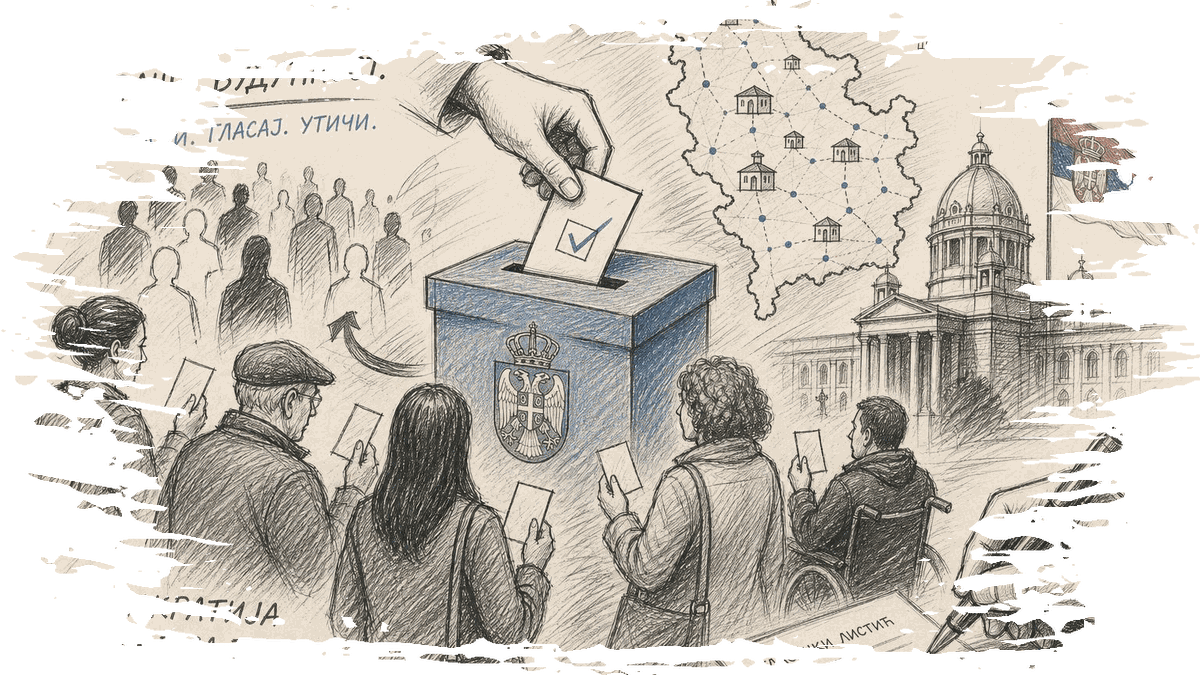
In the lead-up to Serbia’s upcoming elections, opposition parties are grappling with significant challenges in forming a united front against the ruling party led by President Aleksandar Vučić. Despite the sharp and compelling rhetoric displayed in the National Assembly, the opposition remains fragmented, with ideological differences hindering collaboration. The Green-Left Front is still uncertain about its alliances, while the People’s Movement of Serbia (NPS) is reluctant to partner with the Freedom and Justice Party (SSP) and the Srbija Centar (SRCE). This reluctance is mirrored by the other parties, who appear eager to pursue independent paths.
The Movement of Free Citizens (PSG) is the sole entity advocating for unity among the opposition, warning that failure to consolidate efforts could result in all four main opposition groups losing their seats in the National Assembly. The PSG emphasizes that without a united opposition, the continuation of Vučić’s autocratic rule is likely, which could further entrench a political system reminiscent of former Soviet republics under Russian influence. Despite these warnings, the opposition parties have yet to reach a consensus on forming a coalition.

Historically, the opposition in Serbia has struggled to unite, with previous elections demonstrating the detrimental effects of a divided front. Discussions between key opposition leaders, such as Miroslav Aleksić of the NPS and Dragan Đilas of the SSP, have previously highlighted the challenges of forming a cohesive electoral alliance. Aleksić has publicly stated that victory over Vučić’s regime and the establishment of a new government is impossible without the opposition’s collective strength. However, tactical disagreements have led to the formation of two separate blocs, each hoping to gain sufficient voter support independently.
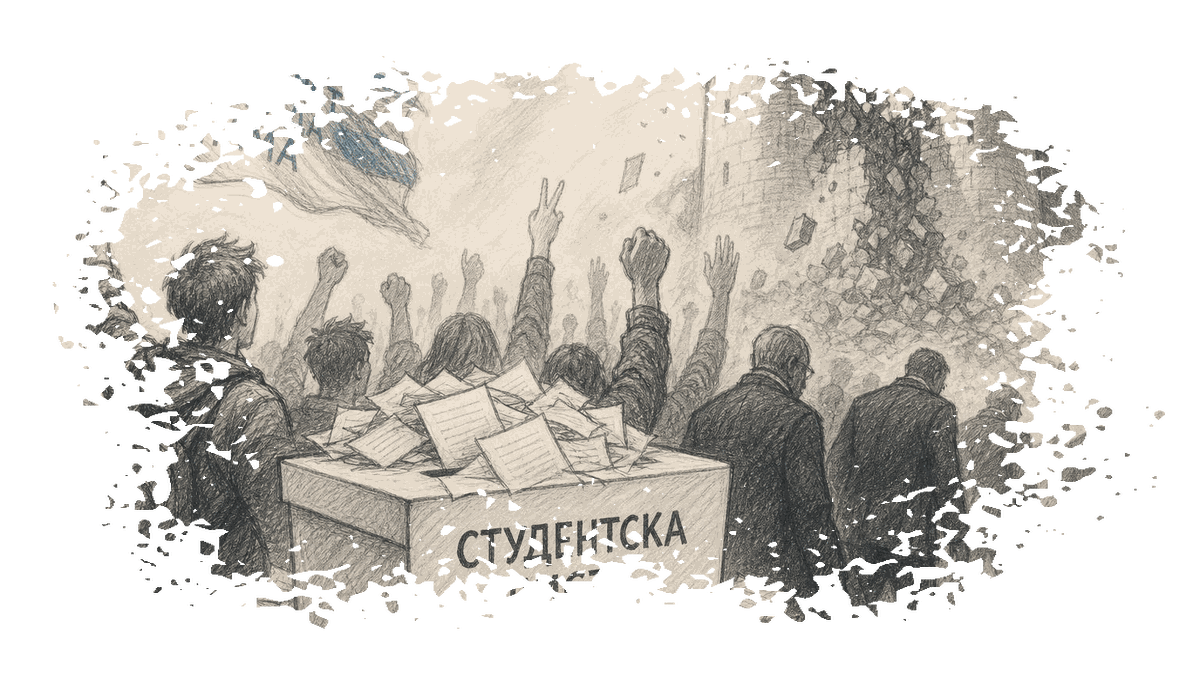
The current political landscape in Serbia is marked by a complex interplay of student activism, political maneuvering, and international relations. The PSG has expressed its intention to support the Students’ List if a broad coalition does not materialize, underscoring the importance of a unified opposition to challenge the current regime effectively. The ongoing disunity among opposition parties raises concerns about their ability to capitalize on public discontent and mobilize voters effectively.
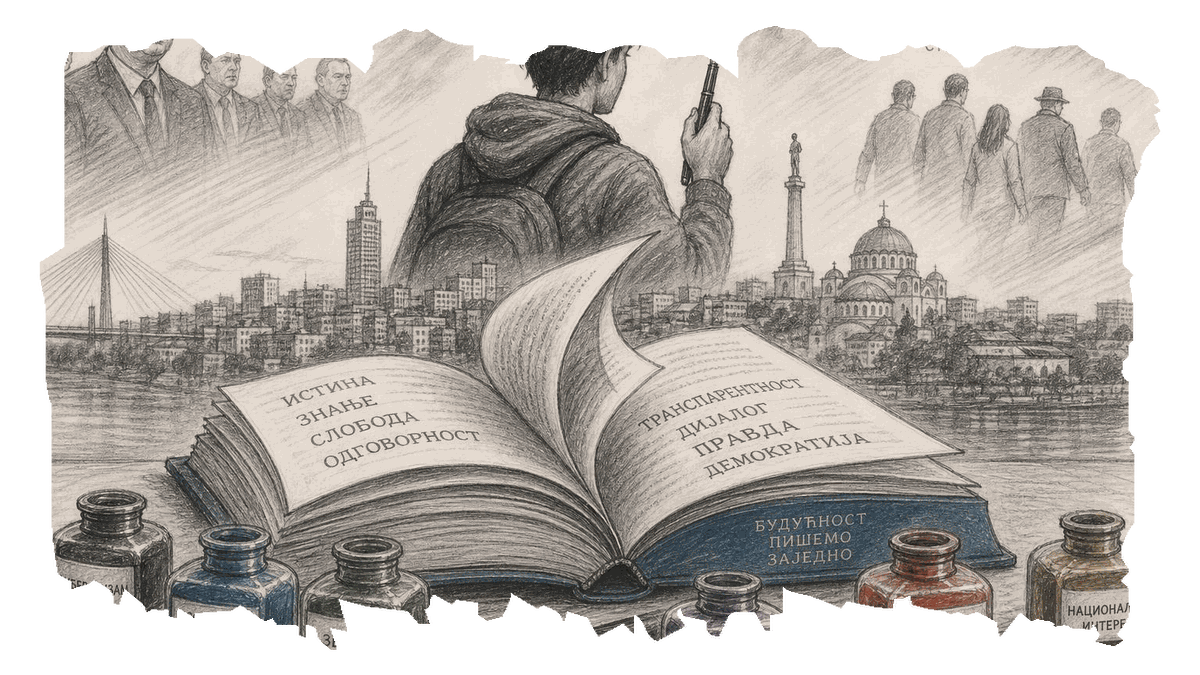
As the elections approach, the opposition’s inability to present a united front could have significant implications for Serbia’s democratic processes and its future political trajectory. The failure to consolidate efforts not only risks diminishing their electoral prospects but also raises questions about their capacity to offer a viable alternative to Vučić’s leadership. The political dynamics in Serbia remain fluid, with the potential for shifts in public sentiment or unexpected alliances that could alter the electoral landscape. However, without a concerted effort to bridge ideological divides and present a cohesive strategy, the opposition’s chances of effecting meaningful change appear increasingly uncertain.

0 Comments