

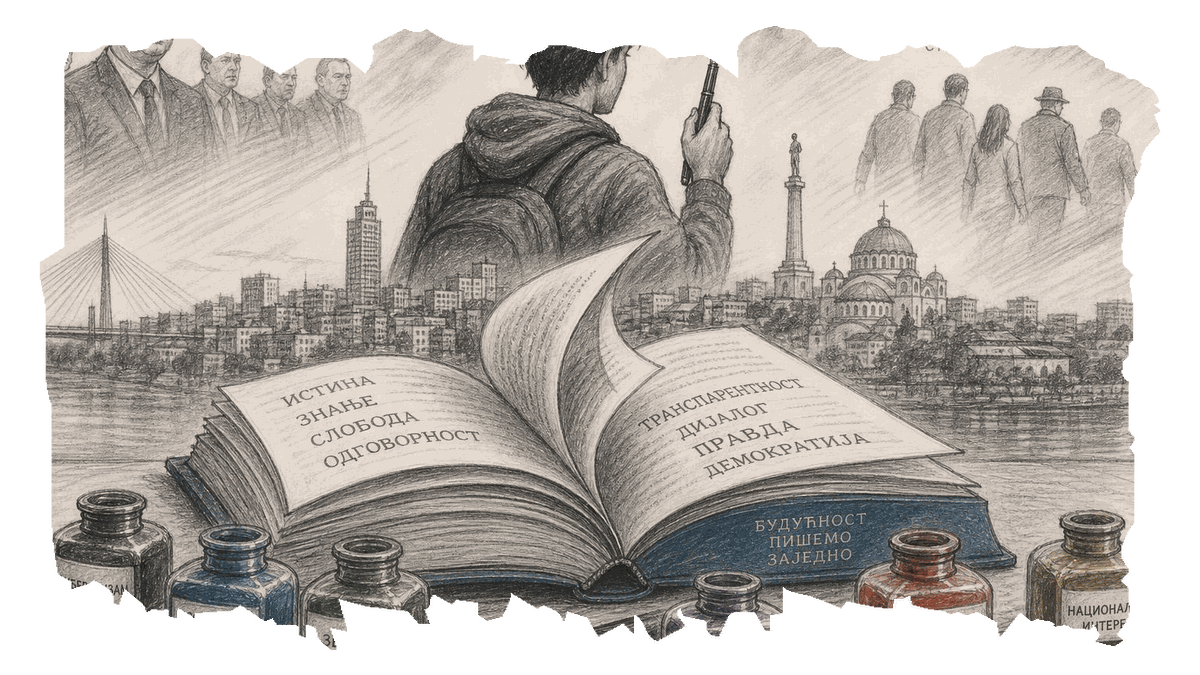
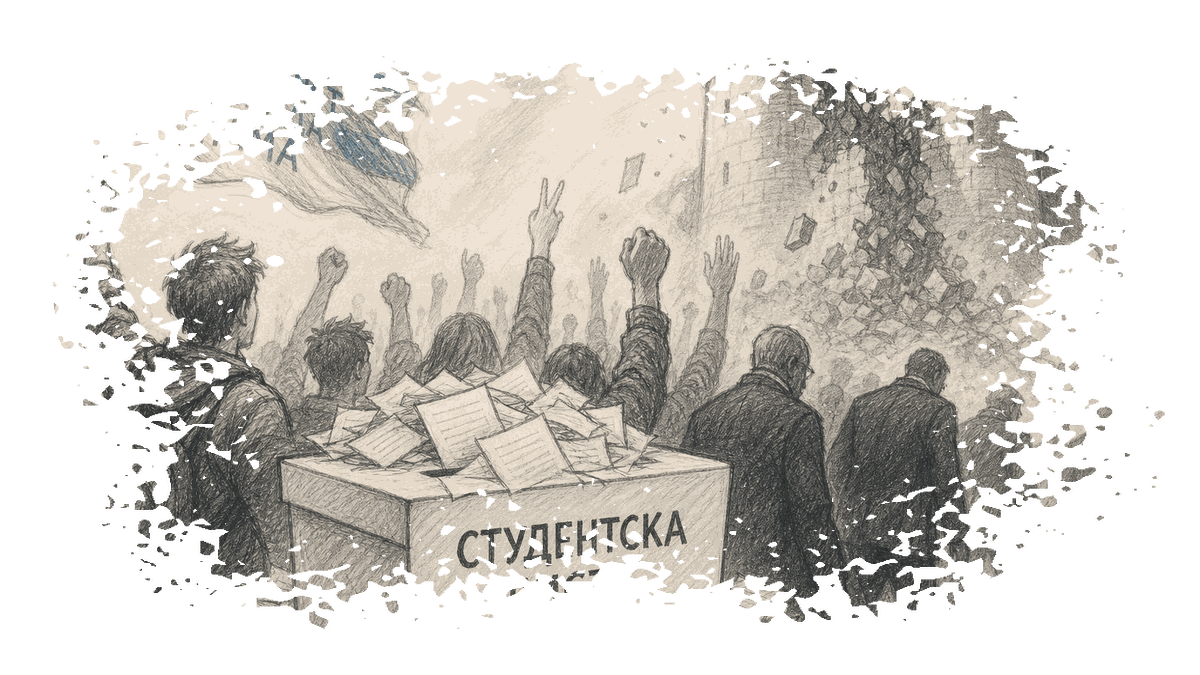
The preliminary results of Serbia’s extraordinary parliamentary elections indicate a decisive victory for the Students’ List, which has secured 52.17% of the votes, translating into 140 mandates in the National Assembly. This outcome marks a significant shift in the country’s political landscape, as the Students’ List, known for its advocacy on issues such as media freedom and political accountability, gains a majority in the Serbian parliament.
According to the Republic Election Commission (RIK), the coalition ‘Aleksandar Vučić – Ujedinjena Srbija’ garnered 39.17% of the votes, securing 104 mandates. The total voter turnout was approximately 4.3 million, with 4.2 million valid votes counted. The RIK’s president, Vladimir Dimitrijević, announced these results based on data processed from 8,187 polling stations as of 8 PM on the election day.

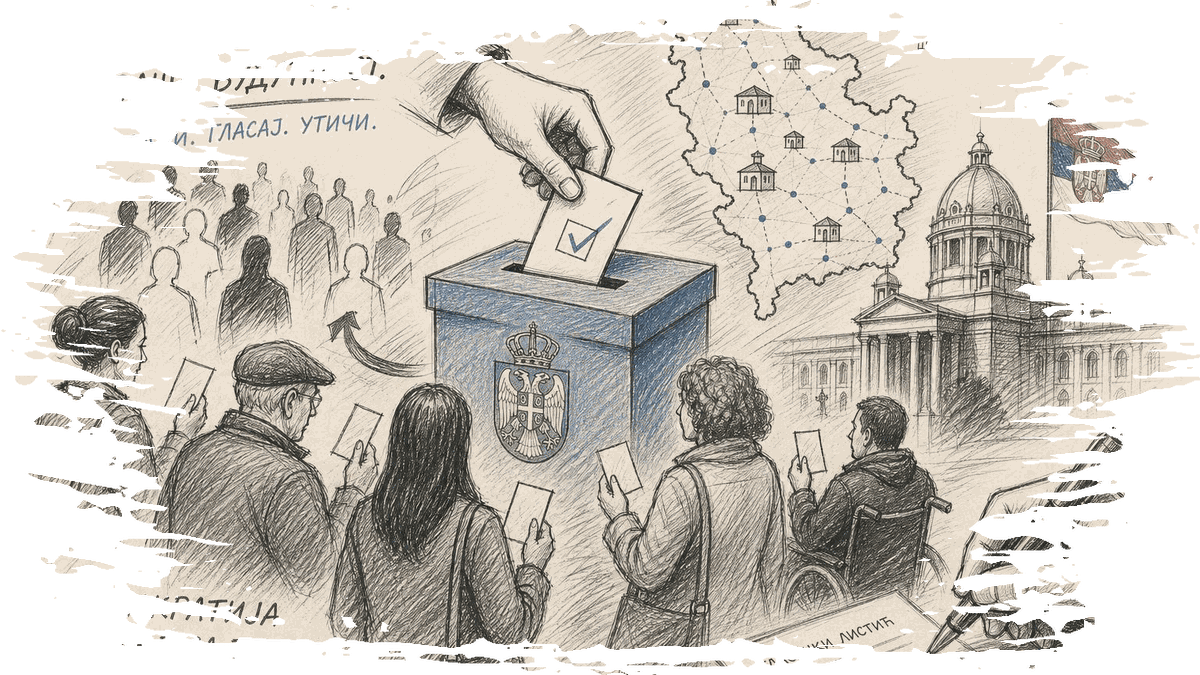
The Students’ List’s victory is particularly pronounced in urban areas. In Belgrade, the list won in all 17 city municipalities with 62.96% of the votes, while ‘Aleksandar Vučić – Ujedinjena Srbija’ received 31.63%. Similarly, in Vojvodina, the Students’ List secured 52.19% of the votes, and in Novi Sad, they achieved 63.2%. The coalition led by Vučić, however, maintained a stronghold in the southern and eastern regions of Serbia, including Kosovo and Metohija, where they won a majority of the votes.
The election results also highlighted the performance of minority lists. Four minority lists secured parliamentary seats, including ‘Rasim Ljajić – Ljudski’ and ‘Savez Vojvođanskih Mađara – dr Balint Pastor,’ each obtaining mandates based on their vote shares.
These preliminary results underscore a potential change in Serbia’s political dynamics, as the Students’ List, which has been gaining momentum, now holds a significant portion of the legislative power. This shift could lead to new policy directions, particularly in areas the list has championed, such as transparency and reform.
The elections, however, were not without controversy. Past reports have raised concerns about irregularities and the integrity of the electoral process, which could affect public trust. These issues are expected to be addressed as the final counts are completed and official results are confirmed.
Reactions from other political parties and the public are expected to unfold as the implications of the Students’ List’s victory become clearer. The coalition led by Vučić, which has been a dominant force in Serbian politics, faces a new challenge in navigating a parliament where they no longer hold the majority.
As Serbia moves forward, the focus will likely be on how the Students’ List utilizes its newfound influence to implement its agenda and how the political landscape adapts to this significant change. The coming days will be crucial in determining the future direction of Serbian politics and governance.


0 Comments