

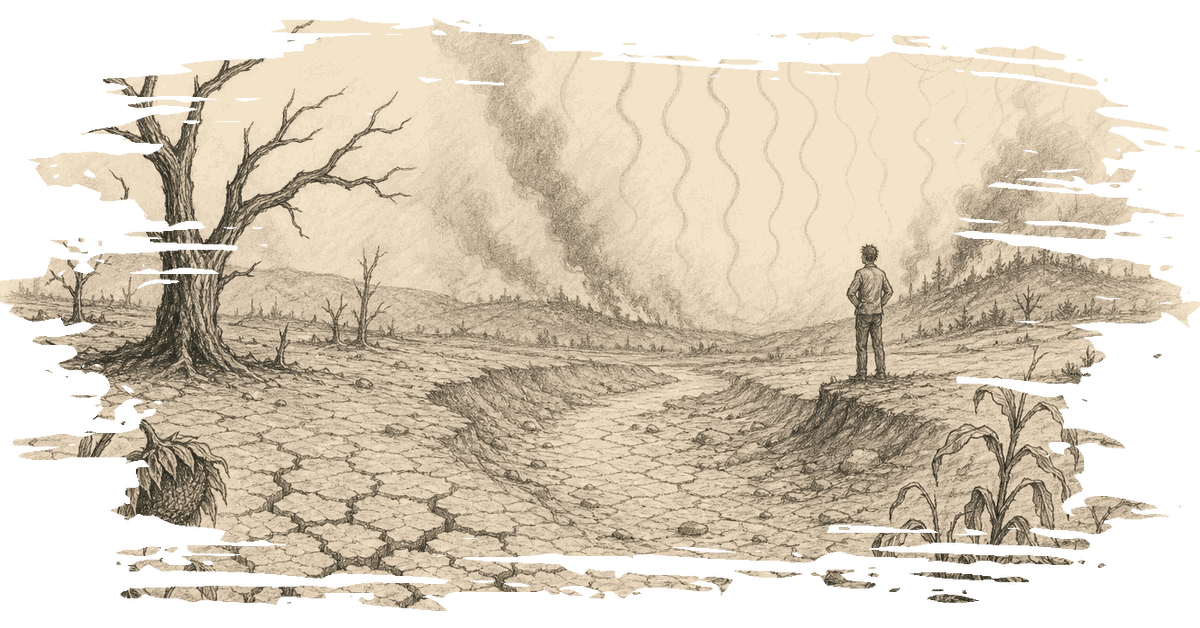
August 2026 has marked a historic milestone for Serbia, recording the hottest and second driest August in the nation’s history, according to data from the Republic Hydrometeorological Institute (RHMZ). This extreme weather has sparked concerns over climate change and its potential impacts on public health and safety. The town of Ćuprija experienced the most intense heat, with an average daily maximum temperature of 36.5 °C, illustrating the severity of the conditions.
Belgrade, the capital city, recorded 28 tropical nights, where temperatures did not fall below 20 °C, out of the 31 nights in August. This phenomenon was not limited to Belgrade, as tropical nights were reported across several regions in Serbia, indicating a broader pattern of extreme heat. Only a few areas, including Kopaonik, Sjenica, Zaječar, and Dimitrovgrad, were exceptions to this trend.

The consequences of such extreme weather conditions have been significant. Low water levels have been reported, and the country has faced catastrophic fires, exacerbating the challenges posed by the heatwave. These conditions have raised alarms about the future, suggesting that such extreme weather may become the norm rather than the exception.
Historically, the previous record for the hottest August was set in 2024, which itself surpassed a long-standing record from 1952. The frequent breaking of heat records in recent years underscores the increasing prevalence of extreme weather events in Serbia, which is a growing concern for the country’s future climate patterns.
While the immediate impacts of the heatwave are evident, there is a notable absence of detailed data on the health impacts or the responses from public health officials. This gap highlights the need for a more comprehensive understanding of how such weather patterns affect public health and the measures required to mitigate these effects.
The situation calls for insights from climate scientists and public health officials to better prepare for future extreme weather events. Their expertise could guide the development of strategies to protect vulnerable populations and adapt infrastructure and services to withstand such conditions.
In the context of agriculture, the long-term effects of recurring extreme heat and drought conditions could be profound, potentially affecting crop yields and the local economy. As Serbia grapples with these challenges, the need for climate action becomes increasingly urgent to safeguard the country’s environmental and economic future.
The ongoing situation in Serbia serves as a stark reminder of the broader implications of climate change, emphasizing the importance of proactive measures to address its impacts. As the country records its hottest August, the urgency for climate resilience and adaptation strategies becomes ever more apparent.




0 Comments