

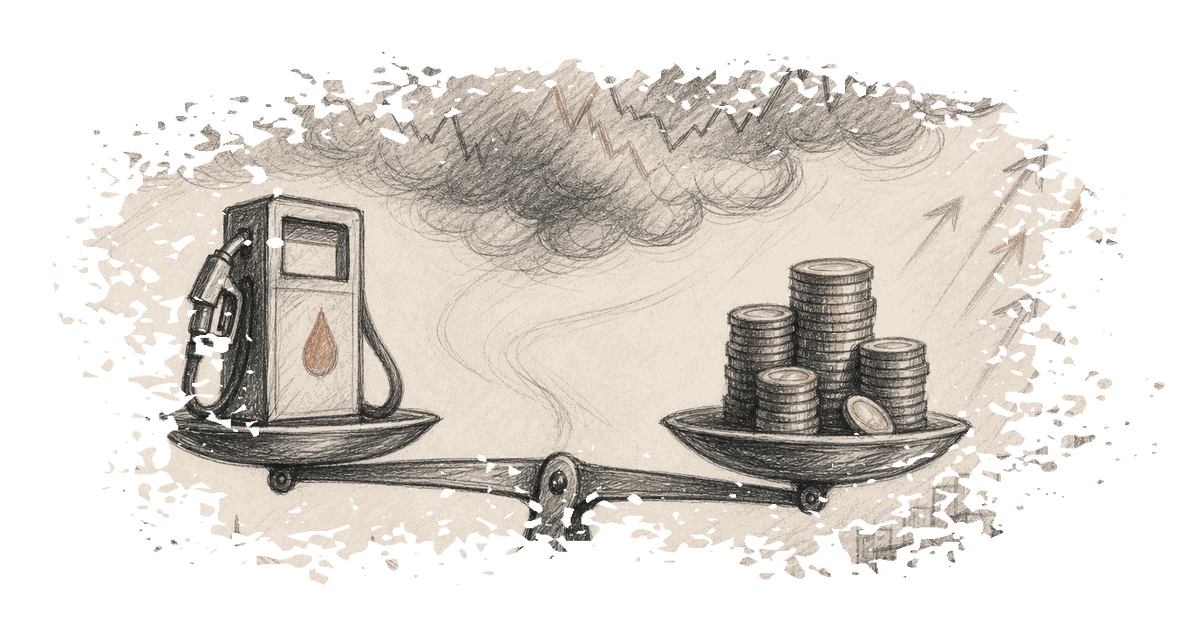
The Serbian government has proposed significant amendments to the excise tax law, aiming to remove the existing 20% cap on reducing excise taxes on petroleum derivatives. This legislative change, if approved by parliament, would grant the government the authority to substantially lower fuel prices in response to sharp increases in global crude oil prices. The proposal is currently under parliamentary review in a special session.
The primary objective of these amendments is to enable the government to react more swiftly and effectively to protect citizens’ living standards and stabilize the economy amid volatile global energy markets. The existing law restricts the government to a maximum 20% reduction in excise taxes, a limit that has been deemed insufficient in the face of recent global oil price fluctuations. Under the proposed changes, the government could reduce excise taxes by more than 20%, potentially allowing for reductions of 30%, 40%, or even higher, depending on the severity of oil price hikes.
This legislative move is seen as a strategic shift in Serbia’s approach to managing excise taxes during economic crises. By removing the cap, the government aims to prevent a chain reaction of price increases in essential goods and services, such as food and transportation, which are major contributors to domestic inflation. Economists suggest that while this strategy might result in short-term budget deficits due to reduced tax revenue, it is a calculated risk intended to maintain overall price stability and consumer purchasing power.
The proposal comes in response to recent increases in crude oil prices, exacerbated by geopolitical tensions in the Middle East, which have negatively impacted Serbia’s macroeconomic stability. The government argues that the ability to adjust excise taxes without a fixed limit will help ensure a steady supply of oil derivatives and safeguard the economic well-being of its citizens.
Despite the potential benefits, the proposal faces uncertainty in parliament, where lawmakers must weigh the advantages of lower fuel prices against the potential loss of government revenue. The reduction in excise taxes could significantly decrease the budget’s income from oil derivatives, prompting concerns about the fiscal implications of such a policy.
The urgency of the proposed amendments is underscored by the government’s plan to implement the changes within eight days of parliamentary approval. This rapid timeline reflects the pressing need to address the economic challenges posed by fluctuating global oil prices.
In summary, the Serbian government’s proposal to amend the excise tax law represents a significant policy shift aimed at enhancing economic resilience in the face of global market volatility. While the potential for reduced fuel prices offers immediate relief to consumers, the long-term fiscal impact remains a point of contention among lawmakers. The outcome of the parliamentary vote will determine the future direction of Serbia’s excise tax policy and its broader economic strategy.


0 Comments