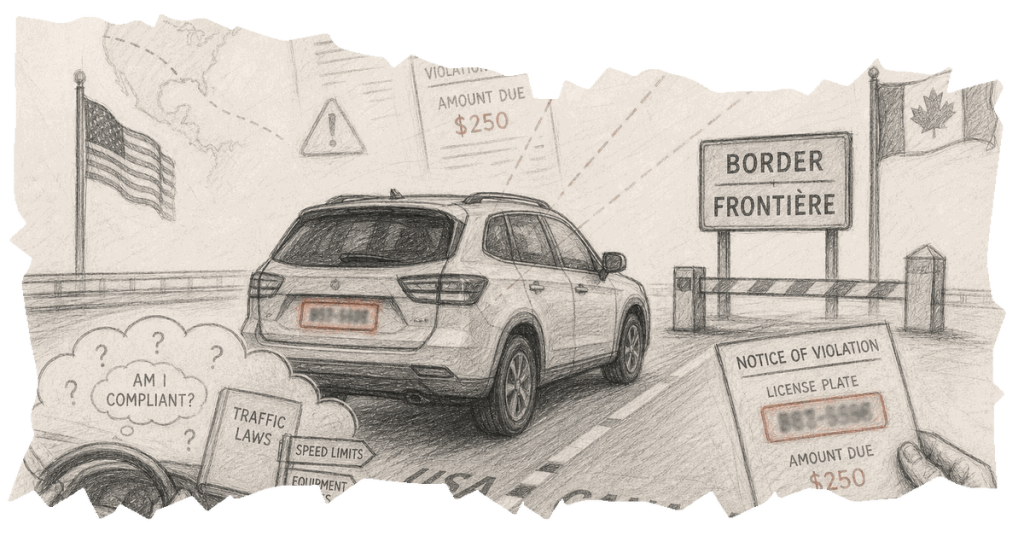
Traffic enforcement measures in Republika Srpska are set to impact Serbian drivers, as new automated systems now record license plates, including those from Serbia. This development could lead to complications for drivers crossing the border if fines remain unpaid. The system is designed to monitor traffic violations without requiring immediate police intervention, which means that drivers may not be immediately aware of any infractions they have committed.
The automated cameras in Republika Srpska capture the details of vehicles with foreign license plates, including those from Serbia, and store information about any recorded violations. This setup is particularly significant for Serbian drivers, as many travel through Republika Srpska regularly, whether visiting family, spending weekends, or passing through Bosnia and Herzegovina en route to the Adriatic.

One of the primary concerns for Serbian drivers is that unpaid fines can resurface during subsequent border crossings or interactions with police, potentially leading to unexpected complications. This system challenges the previous assumption that violations committed outside Serbia might not reach the vehicle owner if there was no immediate police stop.
The implications of this system extend beyond just Serbian drivers. The technology used in Republika Srpska is not limited to domestic license plates, which means that all foreign vehicles are subject to the same scrutiny. This approach underscores the importance of adhering to traffic regulations regardless of the vehicle’s registration country.
For those driving vehicles that are not personally owned, such as rented or company cars, the situation becomes more complex. The person driving the vehicle at the time of the infraction may not be the registered owner, complicating the process of addressing any fines. Rental companies, for instance, have their procedures for handling traffic violations, which can include additional administrative fees separate from the fines themselves.
The broader implications of this system highlight the growing trend of cross-border traffic enforcement in the region. As automated systems become more prevalent, drivers must remain vigilant and informed about the potential for fines to follow them across borders. This situation reflects a shift towards more integrated traffic enforcement measures that transcend national boundaries, emphasizing the need for drivers to maintain compliance with traffic laws, regardless of where they are traveling.