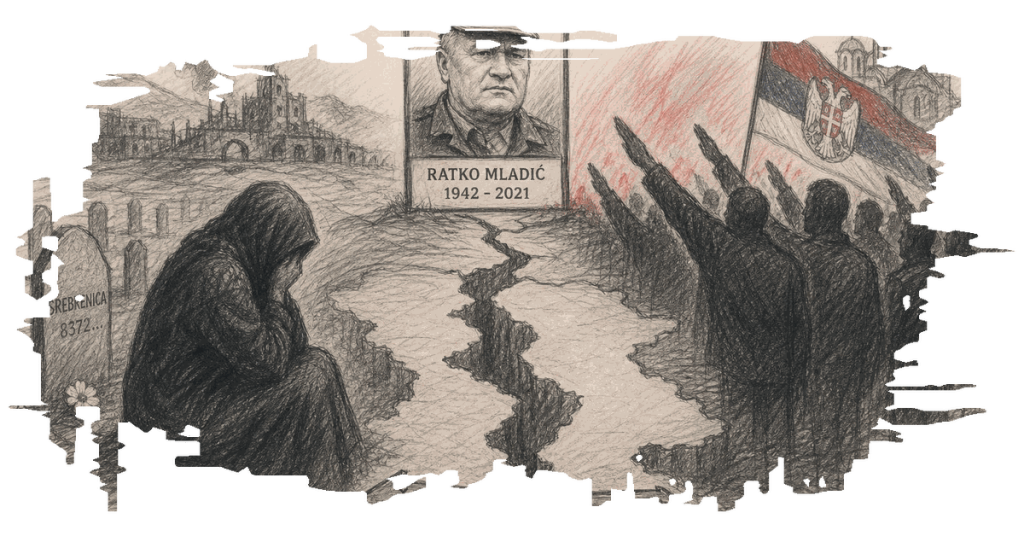
Ratko Mladić, the former commander of the Bosnian Serb Army convicted of genocide and war crimes, is set to be buried on September 7 at Topčidersko Cemetery in Belgrade. This event has sparked significant public interest and controversy in Serbia, highlighting deep national divisions and differing perceptions of Mladić’s legacy. A public commemoration for Mladić is scheduled for September 5 at the Army House in Belgrade, reflecting the polarized atmosphere surrounding his death and the ongoing discussions about national identity and historical narratives in Serbia.
The narrative surrounding Mladić remains deeply contentious. While some segments of the Serbian population view him as a national hero, others, particularly in Bosnia and Herzegovina, see him as a war criminal. The International Criminal Tribunal for the former Yugoslavia convicted Mladić of genocide and war crimes, including his role in the Srebrenica massacre. Despite this, many in Serbia and the Republic of Srpska continue to honor his military leadership, as evidenced by the spontaneous gatherings organized by his supporters.

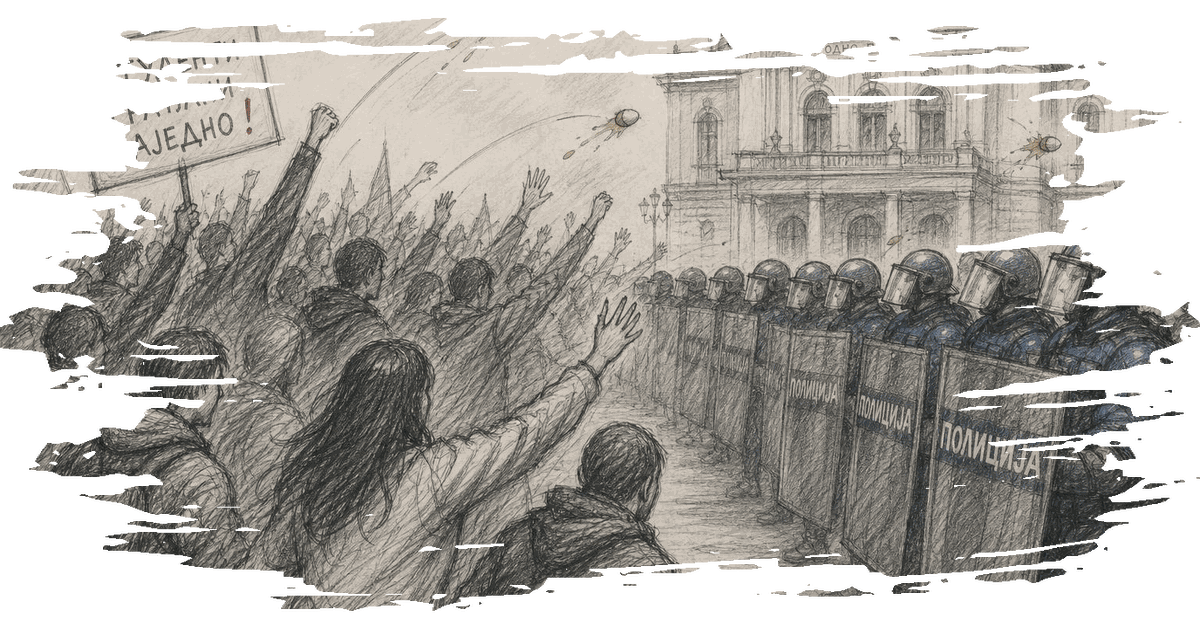
The upcoming funeral is expected to draw significant crowds, with security concerns being raised about potential clashes between opposing groups. Serbian President Aleksandar Vučić has indicated that security measures will be in place to ensure the event proceeds safely, with tens of thousands of attendees anticipated.
Dragan J. Vučićević, a columnist for Informer, expressed strong support for Mladić, arguing that the general remains a revered figure among Serbs, despite what he describes as Western propaganda and local media silence. Vučićević contends that Mladić’s actions during the Bosnian War, such as allegedly saving Croatian civilians, have been misrepresented, and he dismisses the genocide conviction as unfounded.
Conversely, international bodies, including the United Nations, have condemned the glorification of individuals convicted of war crimes, emphasizing solidarity with the victims and survivors of Mladić’s actions. The Mechanism for International Criminal Tribunals, which oversaw Mladić’s case, has consistently rejected requests for his release on humanitarian grounds, citing the severity of his crimes.
The funeral arrangements include a commemoration at the Army House in Belgrade and a service at the Church of St. Luke on Vidikovac, where Mladić’s body will be displayed before the burial. His son, Darko Mladić, has called for a dignified funeral, urging attendees to refrain from provocations and to honor his father according to Serbian customs.
The event underscores the ongoing struggle within Serbia to reconcile its past with the broader international community’s condemnation of Mladić’s actions. The polarized sentiments surrounding his legacy continue to influence regional relations and internal discourse on national identity and historical accountability. As Serbia prepares for the funeral, the potential for heightened tensions remains a concern, reflecting the enduring impact of Mladić’s controversial legacy on the Balkans.