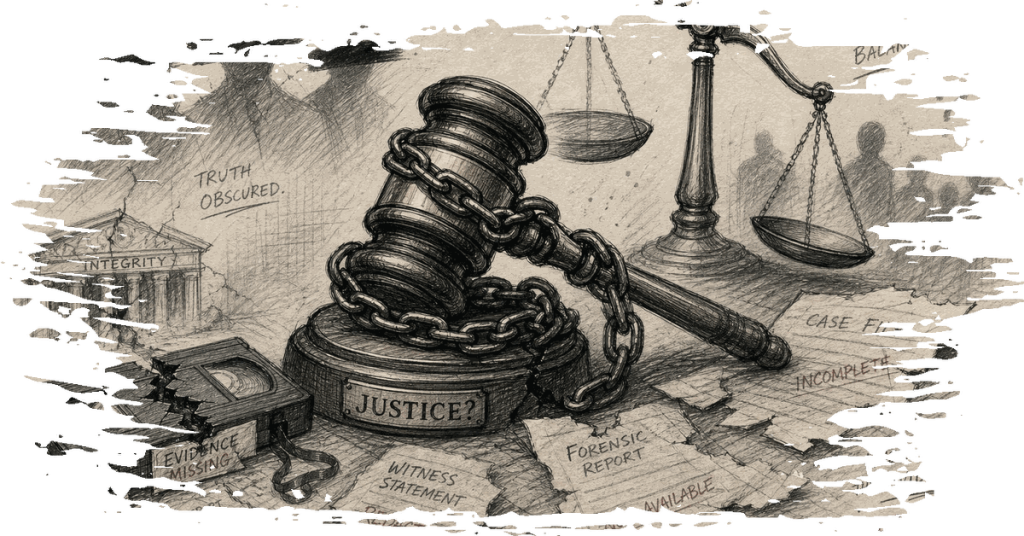
The ongoing investigation into the “Perišić” affair has brought to light significant concerns regarding judicial processes and the handling of evidence in Serbia. The second part of an investigative dossier, reported by Direktno.rs, scrutinizes the judicial handling of controversial evidence, focusing on the procedural decisions and evidence presentation in court. Judge Nataša Albijanić is at the center of this analysis, as her approach to questioning during the proceedings has raised questions about potential bias and the balance of judicial inquiry.
During the proceedings, Judge Albijanić posed 231 questions, a number that far exceeds the combined total of questions asked by the prosecutor and defense, who asked 13 and 296 questions, respectively. The accused themselves posed 50 questions. This disproportionate level of questioning by the judge has prompted concerns about whether the questions were neutral and clarifying or if they effectively filled gaps in the prosecution’s case. The Serbian Code of Criminal Procedure places the burden of proof on the prosecutor, allowing the court to order additional evidence only when existing evidence is contradictory or unclear. The significant discrepancy in questioning raises legitimate concerns about the neutrality of the judicial process.

Additionally, the dossier highlights the controversial reinstatement of secrecy over certain documents by the General Staff, following Judge Albijanić’s insistence. These documents had previously been deemed non-secret, and their reclassification has raised both legal and ethical questions. According to the 2009 Law on Data Secrecy, the General Staff should have reviewed the secrecy status of documents by 2012, and failure to do so would mean the documents were no longer secret. However, in 2016, secrecy was reinstated, a move that has been criticized as both legally and logically paradoxical, given that the documents had been public for four years.
The judge’s decision to accept an expert opinion as the basis for altering the secrecy level of documents is also contentious. The documents were initially marked as “Military Secret – Strictly Confidential,” but expert testimony elevated this to a non-existent level of “especially confidential data.” This decision has been challenged because it appears to lack a legal basis, as the experts involved were from an institution identified as an injured party in the proceedings. Experts can establish technical facts and the consequences of data disclosure, but they cannot create elements of a criminal offense or substitute for the court in legal interpretation.
Further complicating the judicial process, the investigation notes that a VHS tape documenting the arrest and search of the suspects was not obtained or presented during the trial, despite its existence being documented. This missing evidence, coupled with the failure to question key figures like Aco Tomić, the former head of the Security Administration, has raised questions about the integrity of the evidence chain and potential political or other abuses during the arrests.
The investigation into the “Perišić” affair continues to spotlight significant issues within Serbia’s judicial system, particularly regarding the handling of evidence and the potential for judicial bias. The case underscores the need for transparency and adherence to legal standards in judicial proceedings, as well as the implications of military secrecy on legal processes. The outcome of this investigation may have broader implications for judicial reform and the handling of sensitive evidence in Serbia.